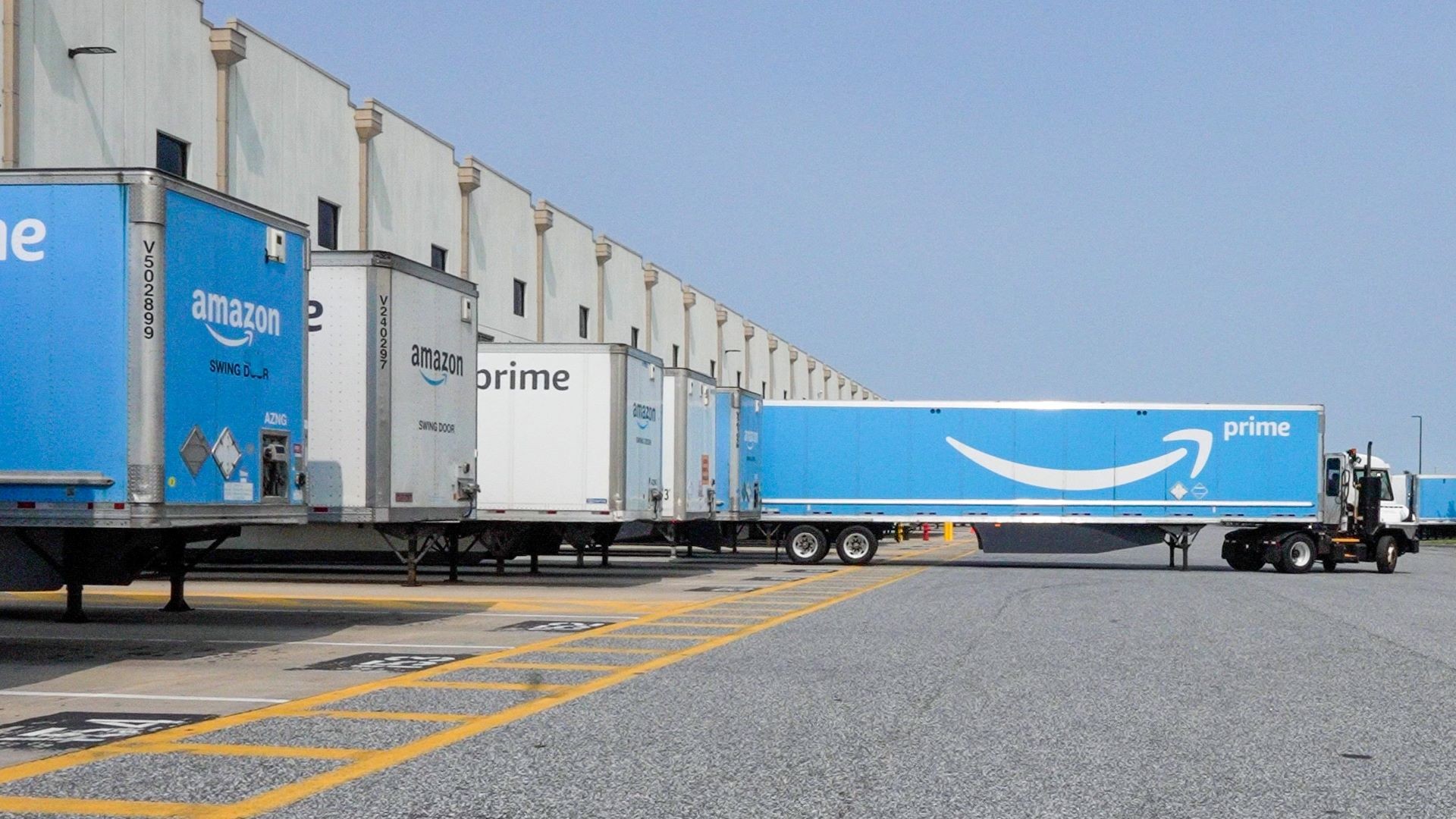
According to www.freightwaves.com, Amazon has consolidated its third-party logistics (3PL) offerings—including Amazon Logistics, Amazon Global Logistics, and Amazon Warehousing & Distribution—into a single branded service called Amazon Supply Chain. The rebranding was announced in April 2024 and took effect immediately across all U.S. and international commercial operations.
Strategic Consolidation of Logistics Capabilities
The unified service integrates end-to-end functions: domestic and cross-border freight brokerage, customs brokerage, ocean and air forwarding, fulfillment center management, and last-mile delivery execution. Amazon Supply Chain now serves over 12,000 third-party sellers and enterprise clients globally, up from approximately 8,500 clients served separately by its legacy 3PL units in Q4 2023. According to the report, the integration reduced average onboarding time for new enterprise clients from 22 business days to 9 business days as of May 2024.
Infrastructure and Capacity Expansion
Amazon Supply Chain operates across 37 fulfillment centers dedicated to third-party inventory in North America, with 14 additional facilities under construction or expansion in the U.S., Canada, and Mexico. The service leverages more than 1,800 owned and contracted delivery vehicles in the U.S. alone, including electric vans deployed in 23 metropolitan markets as of June 2024. Amazon also manages over 450 ocean container moves per week for external clients, a figure that rose from 290 weekly moves in Q1 2024 following the consolidation.
Industry Context and Competitive Positioning
This move follows similar integrations by major logistics providers: DHL launched its DHL Supply Chain & Global Forwarding division in January 2023, unifying formerly separate entities; UPS acquired freight forwarder Coyote Logistics in 2015 and expanded its UPS Freight Solutions platform to include customs brokerage and warehousing in 2022; and FedEx finalized its acquisition of European 3PL provider GSO in March 2024, adding 62 distribution centers and 1.2 million square feet of warehouse space. Amazon’s integrated offering now competes directly with these full-stack providers, particularly in e-commerce–driven verticals such as apparel, consumer electronics, and health & beauty.
Practitioner Implications for Shippers
For supply chain professionals, Amazon Supply Chain offers standardized SLAs across transportation modes: guaranteed 99.2% on-time pickup compliance for LTL shipments and 98.7% customs clearance success rate for U.S. imports processed through its proprietary customs management platform. Clients report average freight cost reductions of 11.3% within six months of migration, primarily due to bundled pricing and algorithmic load-matching across Amazon’s internal and external freight networks. According to one client quoted in the source, “We cut our average transit time from Los Angeles to Chicago by 1.8 days using their coordinated rail-truck handoff protocol.”
Source: FreightWaves
Compiled from international media by the SCI.AI editorial team.