According to www.dcvelocity.com, Zebra Technologies Corp. has sold its Fetch Robotics Automation division — acquired in 2021 for $300 million — to Pittsburgh-based Skild AI. The transaction includes both cash consideration and an equity stake in the buyer, though specific financial terms were not disclosed.
Strategic Refocus on Core Frontline Technologies
Zebra stated it divested the autonomous mobile robot (AMR) business to “further sharpen its strategic focus on accelerating workflows across the supply chain and prioritizing investments in high-growth areas such as RFID, machine vision, and AI for the frontline.” The company had publicly signaled its intent to offload the unit over the past six months.
Skild AI’s Omni-Bodied Vision for End-to-End Automation
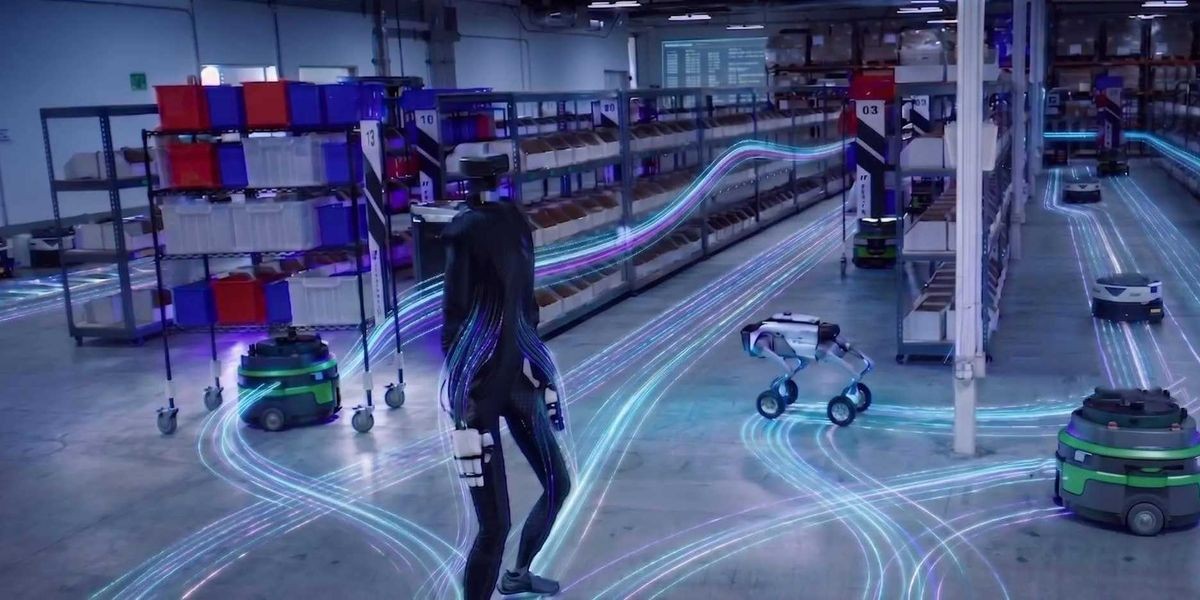
Skild AI describes its core technology — the Skild Brain platform — as “omni-bodied,” meaning it can control any robot without prior knowledge of its physical configuration. With the acquisition, Skild AI aims to integrate Fetch’s proven AMR capabilities into a broader automation stack. According to the source, the combined offering will support
- humanoids for pick-place tasks
- robotic dogs for inspection
- robotic arms for packing
- AMRs for material movement
- an orchestration layer to unify them all
A key enabler is Zebra’s Symmetry Fulfillment orchestration platform, which already coordinates tasks between robots and frontline workers using Zebra wearable devices. The two companies said this integration means logistics operators “will no longer need to engineer their warehouse around their robots and deal with several partners — each providing one fragment of the automated solution.”
Broader Industry Context for Supply Chain Professionals
This move follows a pattern of portfolio rationalization among major industrial technology providers. In early 2026, Honeywell announced it would sell its mobile computers and barcode scanners division for $1.4 billion, while also having previously divested its Intelligrated systems integration business to private equity. Similarly, Toyota established a dedicated warehouse automation group in April 2026, and Fanuc demonstrated AI-integrated robotic arms at Modex 2026 — signaling intensified competition and consolidation in warehouse automation infrastructure.
For supply chain professionals, the Zebra–Skild AI transaction underscores a growing market shift: from point-solution robotics vendors toward unified, interoperable automation platforms. Practically, this may reduce integration complexity and vendor fragmentation in fulfillment centers — but also raises new requirements for cross-vendor interoperability standards, workforce upskilling in multi-robot supervision, and reassessment of existing technology roadmaps anchored to legacy orchestration tools.
Source: DC Velocity
Compiled from international media by the SCI.AI editorial team.