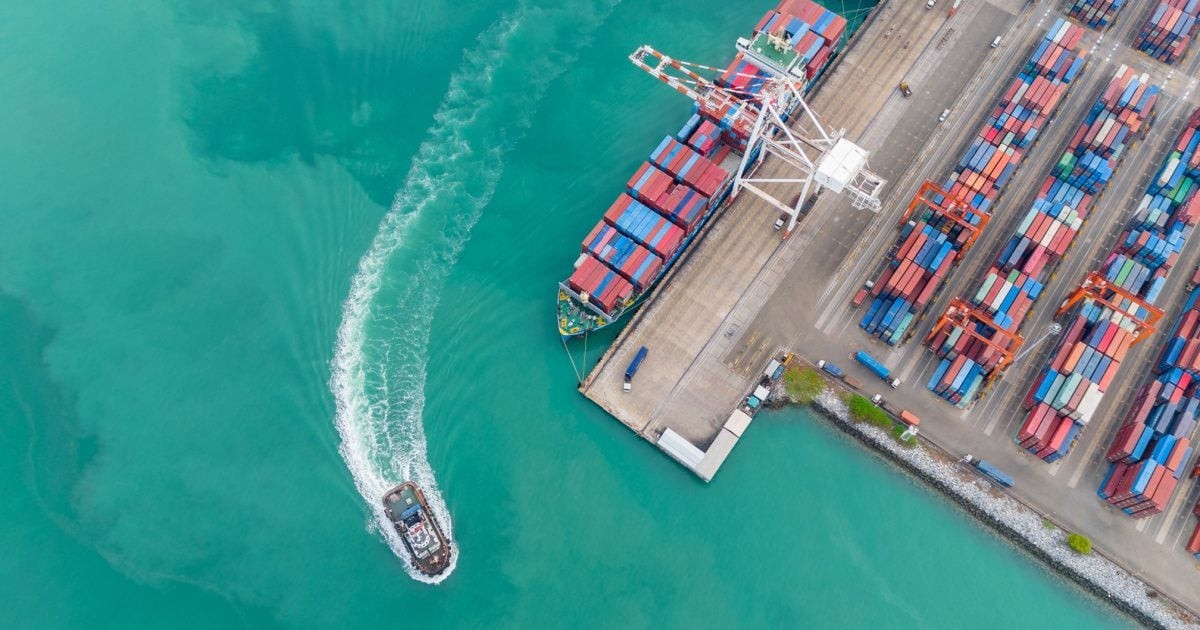
According to lot.dhl.com, Southeast Asia is emerging as a leading nearshoring hotspot, driven by record foreign direct investment and strategic supply chain realignments.
Record Investment and Regional Momentum
In 2022, net Foreign Direct Investment (FDI) for Southeast Asia reached a record high of US$224 billion (€200.4 billion), fueled by a strong rebound in manufacturing, digital economies, and strategic supply chain enhancements. The region’s proximity to key Asian markets has amplified its appeal for nearshoring—particularly for manufacturers, retailers, and distributors seeking to reduce shipping costs, improve responsiveness, and mitigate complexity.
Country-Specific Nearshoring Hubs
- Thailand: A production hub for electronics, hosting multinationals including Sony and Sharp; Chinese firms such as Shanghai’s JinkoSolar are relocating there to lower costs and avoid geopolitical tensions.
- Vietnam: Emerging as an ideal nearshoring site, especially for solar panel manufacturing; home to Chinese companies including Growatt (Shenzhen-based power storage firm) and Hangzhou First Applied Material (solar panel component maker).
Two Key Enablers of Regional Competitiveness
1. A growing skilled workforce with affordable labor costs: According to a report by the Reshoring Institute in 2022, a Malaysian production worker earns approximately US$8,000 (€7,280) annually. Malaysia’s government has expanded Technical and Vocational Education and Training (TVET) program centers into ‘teaching factories’—providing students direct access to real industry training. This supports a ready pool of skilled, cost-effective labor across sectors.
2. Favorable business environment: Geopolitical uncertainties and trade tensions between China and the United States have accelerated diversification efforts. Companies are spreading production across multiple Southeast Asian locations to reduce overreliance on any single country—supporting broader supply chain resilience goals.
Source: lot.dhl.com
Compiled from international media by the SCI.AI editorial team.