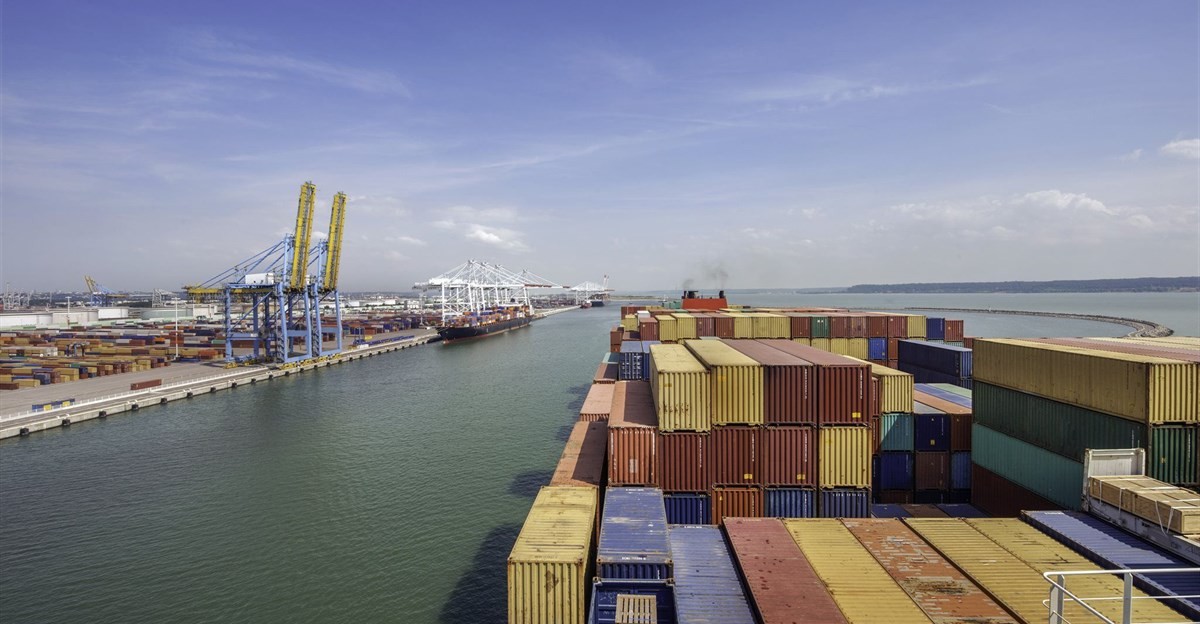
According to www.bizcommunity.com, African supply chains—recently strengthened by infrastructure investment and trade integration—are now facing a real-world stress test amid escalating geopolitical tensions, including the third-year Red Sea crisis and the near closure of the Strait of Hormuz.
Progress Amid Persistent Gaps
Post-pandemic efforts have yielded measurable gains: the African Development Bank committed $11.1bn between 2024 and 2025 for port and logistics upgrades, supporting projects like Nigeria’s Lekki Deep Sea Port and improved performance at South Africa’s Cape Town and Ngqura ports. The Africa Continental Free Trade Area (AfCFTA) has advanced regional integration, helping push intra-African trade to $220.3bn in 2024, a 12.4% year-on-year increase. However, the source states AfCFTA remains ‘a work in progress’—with tariff schedules, digital trade protocols, customs harmonisation, and non-tariff barriers still under development.
Converging Shocks on Key Sectors
The dual disruptions are compounding pressure across African supply chains:
- Higher freight costs and longer lead times
- Elevated fuel prices and fertiliser disruption
- Tighter access to trade finance, especially for SMEs
Agriculture is especially exposed: East and Southern Africa rely heavily on Gulf-sourced fertiliser, and Hormuz-related shipping cost spikes threaten planting cycles, food production, and household budgets. The source states, ‘Disruption in Hormuz raises shipping costs and threatens planting cycles, food production, and ultimately food security.’
Digitalisation as Operational Resilience
Digital customs systems, single windows, electronic cargo tracking, and trade portals are reducing border friction. In digitised markets, clearance times have improved by 30% to 50%. According to the report, ‘Digital trade facilitation has already shown what practical resilience looks like: less paperwork, better visibility, fewer delays, and more predictable movement of goods.’
AI-enabled forecasting and scenario modelling are no longer theoretical: they enable real-time rerouting decisions, impact assessment of fuel spikes or supplier failure, and cross-functional coordination. As the source explains, ‘The real value is not automation for its own sake, but the ability to guide decisions in real time, coordinate actions across previously disconnected functions, and keep the wider value chain in sync as conditions shift.’
Source: www.bizcommunity.com
Compiled from international media by the SCI.AI editorial team.