With only days to go before the planned strike by the International Longshoremen’s Association (ILA), which could disrupt marine container traffic along the East Coast and Gulf Coast ports, major ports and terminals are developing plans to assist shippers, truckers, and other logistics service providers in应对即将到来的供应链危机。
The union has set the strike date for October 1st, coinciding with the expiration of the current contract covering ports from the East Coast to the Gulf Coast.
Negotiations for a new six-year master contract have stalled over issues such as wages, benefits, and port automation. The ILA has rejected offers made by the US Maritime Alliance (USMX) on behalf of port employers. It is reported that the ILA seeks better terms than the 32% wage increase secured by the International Longshore and Warehouse Union in its negotiations with West Coast port employers in 2023.
Despite pressure from dozens of importers, manufacturers, and Republican members of Congress, President Joe Biden stated he would not intervene to prevent a strike by the union representing some 25,000 workers engaged in container and roll-on/roll-off services at the docks.
The USMX said in an email that there had been no change in the deadlock. The ILA did not immediately respond to requests for comment.
Ports are advising shippers to clear cargo quickly over the next few days and offering extended operating hours and other facilitation measures. Most ports have warned that they will cease monitoring refrigerated cargo after September 30th.
The Georgia Ports Authority plans to open truck gates this weekend to allow shippers to remove containers from Garden City Terminal in Savannah ahead of October 1st. The port will accept export cargo, including reefers, until Monday morning.
Virginia’s terminals, including Norfolk International Terminals, Virginia International Gateway, Newport News Marine Terminal, Portsmouth Container Yard, and the Roll-on/Roll-off Service Area, are set to close operations orderly on Monday. The last inbound train is expected to arrive at 8 a.m., with all inbound truck gates closing by noon. The final outbound train is scheduled for departure around 1 p.m., with all vessels required to depart by that time as well. Motor carriers must clear the port by 3 p.m., and marine operations will cease at 6 p.m.
The Jacksonville Port Authority announced it was closely monitoring labor relations, expecting the strike to impact about one-third of its business, primarily involving new vehicle imports and container throughput at SSA Jacksonville Terminal.
Maryland Port Administration stated on its website that it had received assurances from the ILA that cruise operations and military cargo handling in Baltimore would not be affected by the strike. The port also handles significant volumes of export coal but did not immediately comment on potential impacts from this strike.
Houston’s port notice indicates normal business operations will continue as usual until Friday this week. The strike is expected to affect not only container operations but also public general and multi-purpose facilities supported by ILA workers.
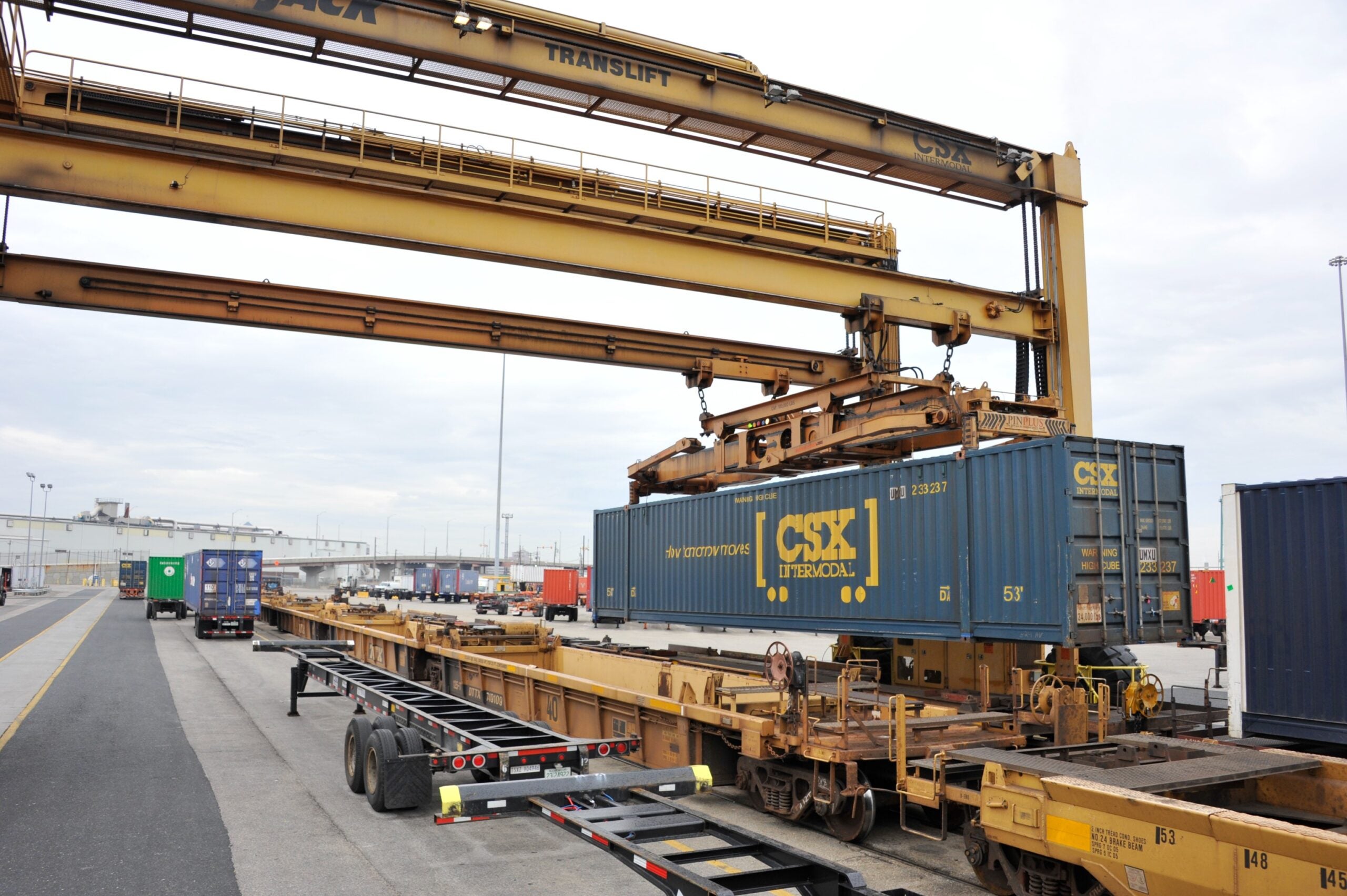
Railroad operator CSX said it was closely monitoring the situation and had developed detailed route-level restriction plans, including the final dates for accepting international cargo from East Coast ports.
### More Coverage by Stuart Chirls:
– Port of New York-New Jersey Details Strike Contingency Plan
– Apparel, Footwear Importers Call on Biden to Intervene in Dock Strike
– Intermodal Sets Record Volumes
### About Stuart Chirls:
Stuart Chirls is a journalist who has covered railroads, intermodal, containers, ports, supply chain and logistics extensively for Railway Age, Business Journal, and IANA. He also worked at S&P, McGraw-Hill, Associated Business Media, Advanced Media, Tribune Company, The New York Times Company, and in supply chain roles with BASF, the world’s largest chemical producer.
—
Source: FreightWaves