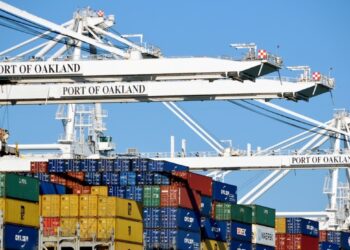
According to www.just-style.com, industries that rely on imported goods or internationally sourced components face the highest risk of disruption within UK supply chains. Government figures from the Department for Transport show that 85% of UK freight moves by sea by weight and 55% by value in 2024, making construction, manufacturing, and retail especially sensitive to interruptions in global maritime corridors.
Sectors Most Vulnerable to Trade Disruption
Cleveland Containers’ analysis identifies manufacturing as particularly vulnerable due to its dependence on machinery, equipment, and components often sourced worldwide. Construction is also highly exposed: government data shows that 60.2% of UK construction material imports came from the EU in 2025. Retail and food supply chains face acute pressure due to tight restocking cycles, making delays harder to absorb.
Red Sea Instability Extends Delivery Times
Recent analysis by the Office for National Statistics (ONS) found that instability in the Red Sea caused container ships bound for the UK to reroute around the Cape of Good Hope in 2024 — extending delivery times by several weeks. International agencies including UN Trade and Development have warned that ongoing issues in the Red Sea, Suez Canal, and Panama Canal are raising costs and increasing strain on global logistics.
Strategic Adjustments Underway
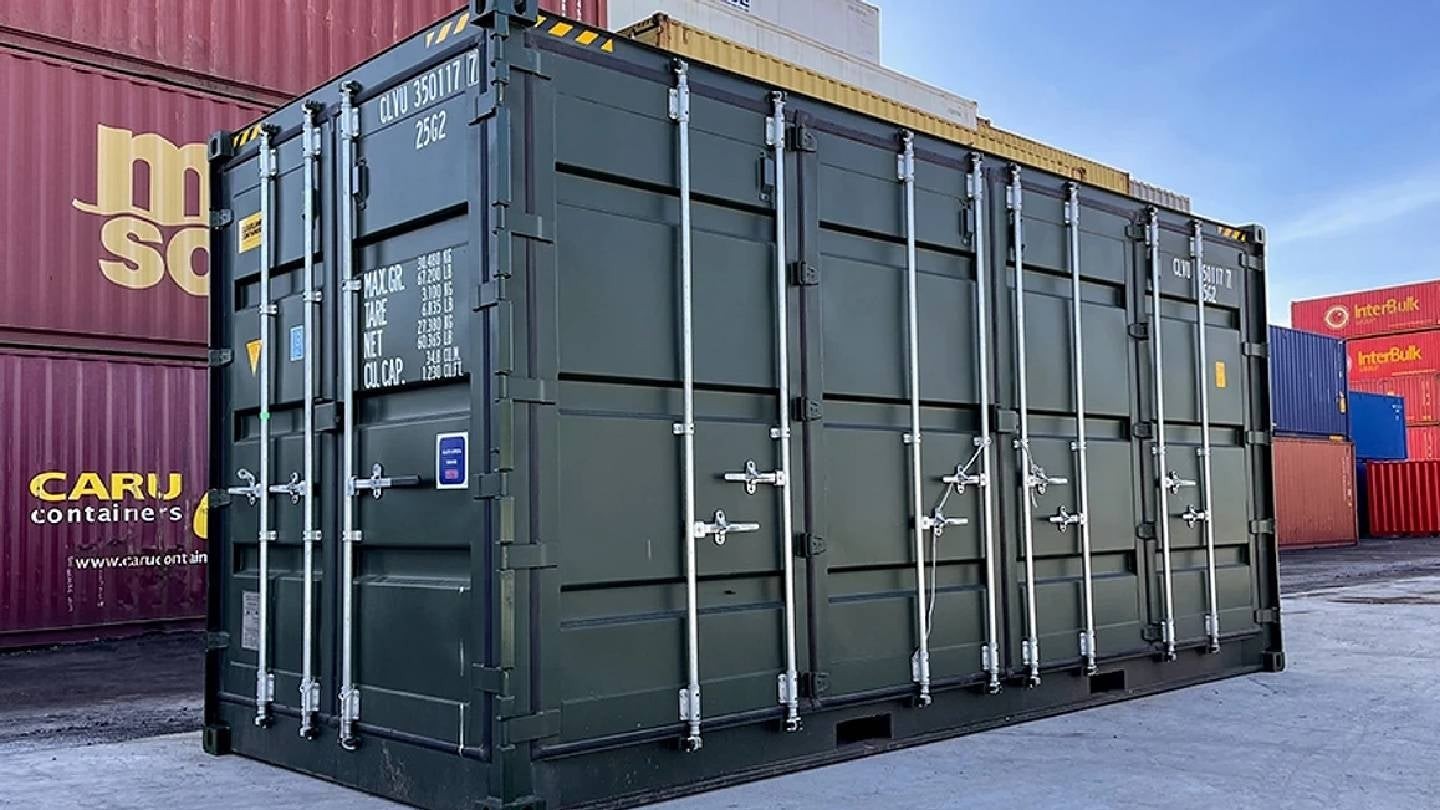
To mitigate risk, UK businesses are diversifying suppliers, increasing stock of critical materials, and improving supply chain visibility through digital technology. Some are adopting flexible, on-site storage using shipping containers to build additional capacity without investing in permanent facilities.
“The challenge for businesses is that supply chain disruption is no longer a one-off event that can be treated as exceptional. Volatility across trade routes is becoming a more regular operating condition, and that changes how businesses need to think about stock, space and contingency planning.” — Richard Gray, Chief Commercial Officer, Cleveland Containers
“Businesses tend to think about disruption in terms of whether goods arrive on time, but the real issue is what sits behind that. If one delayed shipment affects production, fulfilment or a scheduled build programme, the commercial impact can spread very quickly.” — Richard Gray, Chief Commercial Officer, Cleveland Containers
The UK government’s Critical Imports and Supply Chains Strategy reflects a broader shift toward strengthening resilience and reducing exposure. International organisations including the OECD and World Economic Forum also point to the increasing frequency of disruptions and the need to balance efficiency with preparedness.
Source: Just Style
Compiled from international media by the SCI.AI editorial team.