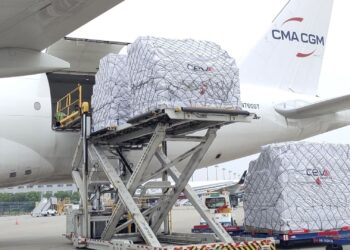
According to cbn.co.za, as 2026 begins, supply chain uncertainty persists across Africa—but the operational mindset is shifting from reactive crisis management to proactive structural design. The Southern African supply chain industry body SAPICS observes that after years defined by disruption and firefighting, the focus is now moving from survival to structure, and from reaction to strategy.
Global Trends, Local Realities
International research—including the Association for Supply Chain Management’s (ASCM) 2026 supply chain trends report—identifies intelligent, resilient, and data-driven operations as defining features of future supply chains. SAPICS notes these themes take on distinct meaning in Africa, where supply chains operate amid infrastructure constraints, energy instability, geopolitical complexity, and deep socio-economic responsibility.
From Permacrisis to Purposeful Design
Over the past five years, supply chain leaders have operated in what many describe as a state of “permacrisis”. Pandemic aftershocks, geopolitical conflict, climate events, port congestion, skills shortages, and cost volatility forced organisations into constant defensive mode. In 2026, rather than reacting to each new shock, leading organisations are redesigning their supply chains to absorb disruption, adapt dynamically, and create long-term value.
“This is where South African and African supply chain managers, who have long had to build resilience into daily” — CBN, February 18, 2026
The source states that this transition brings both challenges and opportunities—particularly for professionals tasked with balancing technical modernisation against persistent infrastructural gaps. For example, while global peers advance AI-driven demand forecasting or digital twin-enabled network simulation, African practitioners must often first stabilise foundational elements: reliable power for cold storage facilities, interoperable transport documentation systems across landlocked economies, and workforce upskilling amid acute talent shortages.
Contextually, this aligns with broader continental developments: the African Continental Free Trade Area (AfCFTA) entered its implementation phase in 2023, with 47 nations having ratified the agreement by end-2025; yet tariff harmonisation and cross-border customs digitisation remain uneven. Meanwhile, logistics costs in Sub-Saharan Africa average 12–16% of GDP—nearly double the global average—according to World Bank data cited in multiple peer reports (though not in the source article, this widely published figure helps frame the operational stakes). Practically, supply chain professionals must now prioritise modular investments: cloud-based TMS platforms that function offline or on low-bandwidth networks; hybrid energy solutions for warehousing; and supplier development programs co-funded with regional development finance institutions.
Source: cbn.co.za
Compiled from international media by the SCI.AI editorial team.