The Strategic Value of Legacy Components in Automation
Author: SCI.AI Supply Chain Intelligence Research Institute
Introduction: The “Obsolescence Dilemma” in Modern Manufacturing
In today’s rapidly changing manufacturing landscape, legacy automation components continue to provide irreplaceable strategic value, offering critical support for businesses balancing innovation and stability.
In the rapidly evolving landscape of modern manufacturing, the narrative often revolves around the latest technological advancements such as AI-driven robotics, hyper-connected Industrial Internet of Things (IIoT) ecosystems, and autonomous logistics. These innovations propel the industry forward, yet they starkly contrast with the reality on the factory floor. Many industrial facilities continue to rely on robust, reliable hardware that has been running effectively for decades. This presents the “Obsolescence Dilemma,” where manufacturers face the challenge of End-of-Life (EOL) notices for hardware that is still critical to daily operations. However, viewing older hardware solely as a liability is a mistake. When managed correctly, legacy components can be a strategic asset.
Strategic Value of Legacy Components
Legacy components, such as Programmable Logic Controllers (PLCs), Human Machine Interfaces (HMIs), and drives, play a critical role in modern factories. Despite the push towards modernization, these components remain essential due to several reasons:
- Cost-Effectiveness: The initial cost of upgrading to new systems is often just the tip of the iceberg. The hidden costs of a total system migration, including production downtime, software engineering, and staff retraining, can be substantial.
- Reliability: Legacy systems have often been battle-tested over time, demonstrating their reliability and stability in demanding manufacturing environments.
- Compliance and Standards: Older systems may still meet current industry standards and regulations, ensuring compliance without the need for extensive upgrades.
Cost-Effectiveness: Managing the Transition
While the cost of a total system overhaul is a significant concern, there are strategies to manage the transition to new technologies without compromising on the strategic value of legacy components:
- Incremental Upgrades: Instead of a complete overhaul, consider upgrading components incrementally, focusing on the most critical systems first.
- Software Updates: Many legacy systems can be updated with new software to enhance functionality and compatibility with modern technologies.
- Component Replacement: Replace only the components that are failing or no longer supported, rather than the entire system.
Reliability Advantages: The Legacy Edge
The reliability of legacy systems cannot be overstated. These systems have been designed and refined over time, often with a focus on robustness and longevity. This reliability translates into several advantages:
- Reduced Downtime: With fewer breakdowns and failures, production lines can operate more consistently, reducing downtime and improving overall efficiency.
- Lower Maintenance Costs: The familiarity and experience with legacy systems can lead to more efficient maintenance and troubleshooting, reducing costs over time.
- Longevity: Many legacy components are designed to last for decades, providing a long-term investment in the manufacturing process.
Strategies for Managing Component Obsolescence
Managing component obsolescence is crucial for maintaining the strategic value of legacy systems. Here are some effective strategies:
- Proactive Maintenance: Implement a proactive maintenance schedule to identify and address potential issues before they lead to system failure.
- Vendor Relationships: Establish strong relationships with legacy component vendors to ensure continued support and availability of parts.
- Gray Market Role: Explore the gray market for alternative sources of legacy components, which can be more cost-effective than purchasing directly from manufacturers.
Bridging Legacy Systems with IIoT
Integrating legacy systems with the Industrial Internet of Things (IIoT) can unlock new levels of efficiency and connectivity. This can be achieved through:
- Edge Computing: Utilize edge computing to process data closer to the source, reducing latency and improving system performance.
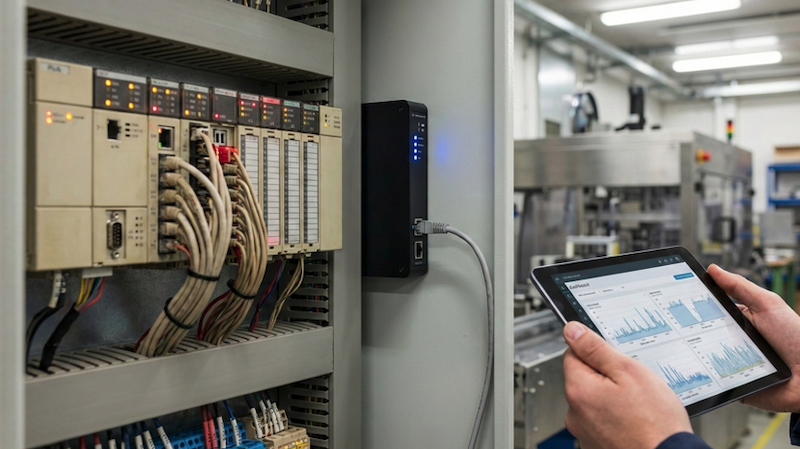
- IoT Gateways: Implement IoT gateways to connect legacy systems to the IIoT ecosystem, enabling data collection and analysis.
- Cloud Integration: Leverage cloud services for data storage, analytics, and remote monitoring, enhancing the capabilities of legacy systems.
Sustainability: The Environmental Benefits
Managing legacy components also has significant environmental benefits:
- Reduced Electronic Waste: By extending the life of legacy components, manufacturers can reduce the amount of electronic waste generated.
- Energy Efficiency: Older systems may not be as energy-efficient as newer models, but by maintaining and optimizing them, energy consumption can be minimized.
- Resource Conservation: Extending the life of legacy components reduces the need for new materials and manufacturing processes, conserving resources.
Conclusion: Balancing Innovation and Stability
The strategic value of legacy components in automation cannot be overlooked. While modernization is essential, it is equally important to recognize the value of older systems. By adopting a balanced approach that leverages the strengths of legacy components while embracing new technologies, manufacturers can achieve a sustainable and competitive advantage. The key is to manage the transition effectively, ensuring that the strategic value of legacy systems is maximized while paving the way for future innovation.
“`
Source: The Strategic Value of Legacy Components in Automation
本文由人工智能生成,内容基于公开资料分析整理,仅供参考。