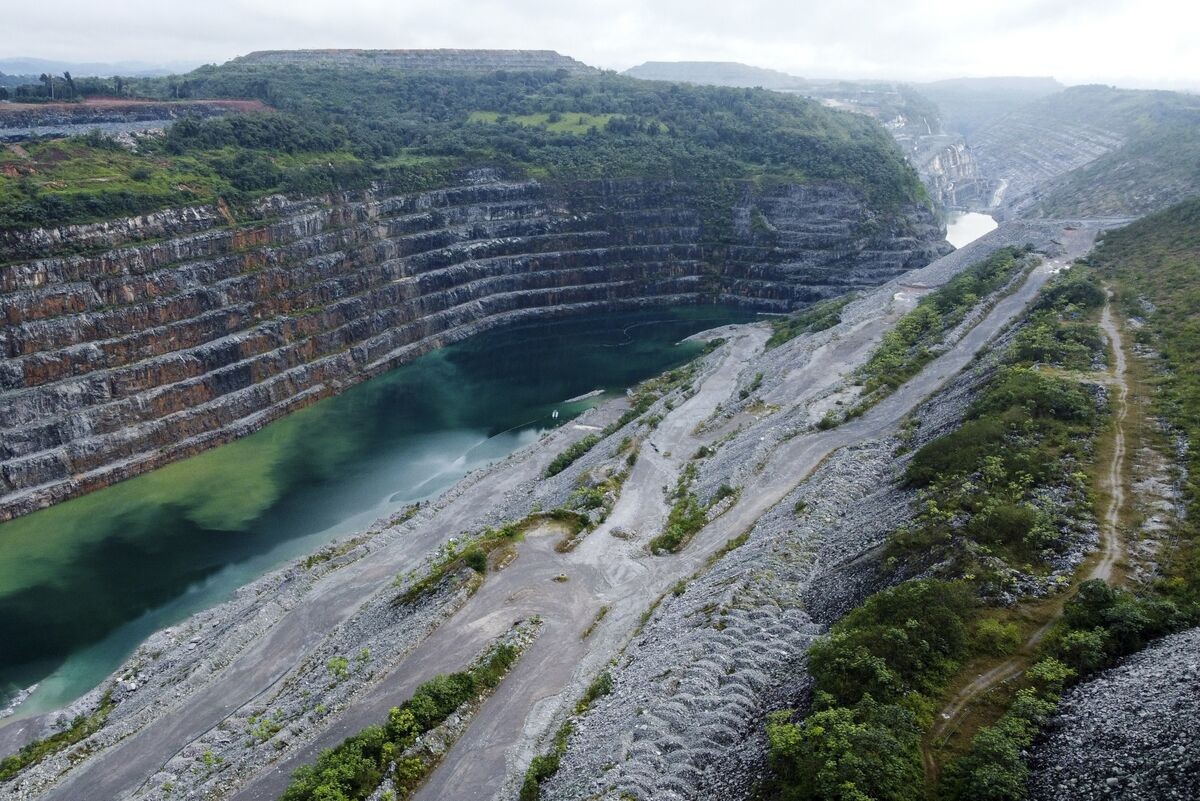
Ghana’s New Policy Aims to Boost Local Refining Capacity
The proposed regulation, reportedly under review by the Ministry of Mines and Petroleum, would mandate that major gold producers in the country—such as AngloGold Ashanti and Newmont Corporation—divert 30% of their mined gold to local refining facilities. According to Bloomberg, this move is intended to reduce reliance on foreign refining and stimulate domestic value addition.
Ghana currently exports about 90% of its raw gold to countries like Switzerland, the UK, and South Africa for refining. The government estimates that this policy could unlock $1.2 billion in annual revenue over the next five years by capturing more of the value chain domestically.
“This is about turning raw material into finished products and keeping wealth within the country.” — A senior government official, Ministry of Mines and Petroleum
Impact on Major Gold Producers
AngloGold Ashanti, one of the largest gold producers in Ghana, operates the Obuasi and Ahafo mines. The company currently exports nearly all of its gold output for refining abroad. If the policy is implemented, the company would need to establish or partner with a local refinery capable of processing 30% of its annual production, which amounted to approximately 1.4 million ounces in 2025.
Newmont Corporation, another major player, produced around 1.1 million ounces of gold in Ghana in 2025. The company has not yet commented on the proposed rule but reportedly is assessing the impact on its supply chain logistics and export contracts.
The government has indicated that existing refineries, such as the Ghana Gold Refinery in Accra, will be expanded to meet the new demand. The facility currently has a processing capacity of 500,000 ounces per year, which would need to increase by 60% to handle the mandated volume.
Industry and Supply Chain Implications
According to Bloomberg, mining companies may need to adjust their export schedules, negotiate new contracts with refiners, and potentially invest in on-site refining infrastructure. The policy could also affect global gold supply chains, as 30% of Ghana’s output currently flows through Swiss refineries, which process over 20% of the world’s annual gold supply.
Supply chain professionals in the mining sector note that compliance with the new rule would require tighter coordination between mine operators, logistics providers, and refiners. The shift could add approximately 12% to transportation costs for gold moving from mine sites to Accra, given the increased domestic handling and potential delays in processing.
“The real challenge isn’t just the 30% mandate—it’s ensuring the domestic refining infrastructure can scale fast enough to meet it,” said a logistics analyst at a West African supply chain consultancy, speaking on condition of anonymity.
Regional and Global Context
Ghana’s move aligns with broader African trends toward value-added processing. In 2024, South Africa passed legislation requiring 25% of platinum group metals to be refined domestically, and Zimbabwe introduced similar rules for lithium. These policies aim to reduce raw material exports and increase local employment and industrial development.
Similar regulatory efforts have been seen in the EU and US, where import controls on minerals from conflict zones are enforced under the EU Conflict Minerals Regulation and the US Dodd-Frank Act Section 1502. However, Ghana’s policy is notable for being the first in Africa to mandate a fixed percentage of output for domestic refining in the gold sector.
International observers note that while the policy could boost Ghana’s domestic economy, it may also trigger pushback from global refiners and investors concerned about supply chain disruptions.
Source: Bloomberg
Compiled from international media by the SCI.AI editorial team.