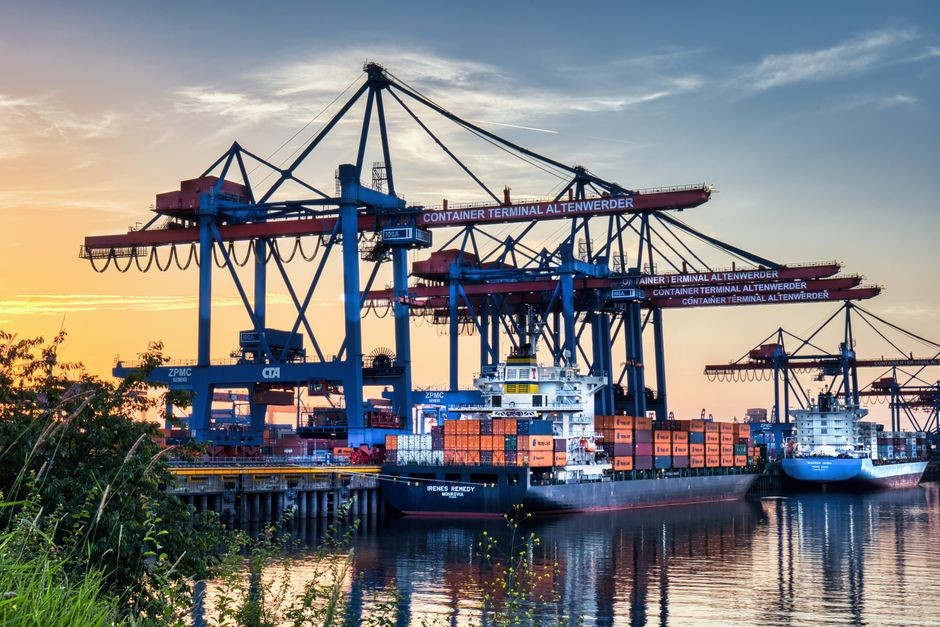
The ongoing blockade of the Strait of Hormuz has escalated from an energy crisis to a systemic supply chain disaster threatening global industrial production. According to Morgan Stanley’s latest analysis, the secondary effects of this geopolitical conflict are spreading at an unprecedented pace, placing aluminum, plastics, and fertilizer supply chains on the brink of collapse and jeopardizing tens of billions of dollars in global trade flows.
Crisis Escalation: From Energy Blockade to Industrial Material Shortages
The Strait of Hormuz, the world’s most critical energy chokepoint, carries approximately 21 million barrels of oil daily—representing 21% of global seaborne oil trade. However, the true destructive power of this crisis extends far beyond energy. The Middle East is not only a core global crude oil supplier but also a major production and export hub for petrochemicals, fertilizers, and aluminum—key industrial materials. The region produces 18% of global ethylene and propylene (basic petrochemical feedstocks), 24% of nitrogen-based fertilizers, and accounts for 15% of global aluminum exports. These materials form the foundation of international manufacturing networks, and any systemic disruption would directly impact dozens of downstream industries including automotive, electronics, construction, agriculture, and consumer goods manufacturing.
High-Risk Materials: Aluminum, Plastics, and Fertilizers as Three Critical Vulnerabilities
Morgan Stanley estimates that approximately $42 billion in non-energy commodity trade flows face direct threats. The aluminum supply chain is classified as the highest risk category. The Middle East (particularly UAE, Saudi Arabia, Bahrain) has a combined aluminum smelting capacity of 5.2 million tons annually, representing 8.5% of global capacity. This aluminum primarily supplies European automakers (BMW, Mercedes), Japanese electronics companies (Sony, Panasonic), and China’s construction sector. Supply disruptions could lead to component shortages in global automotive production lines within 2-3 weeks, causing 15-20% capacity reductions.
The plastic raw material supply chain is equally precarious. Middle Eastern petrochemical companies produce 22% of global trade in basic plastic materials like polyethylene (PE) and polypropylene (PP). These materials are core inputs for packaging, medical devices, appliances, automotive interiors, and countless other finished products. The United States, with the world’s highest per capita plastic consumption (255 kg annually), will face the most immediate cost pressure. Preliminary estimates suggest U.S. plastic product prices could rise 30-45% within the next month.
The fertilizer supply chain, particularly nitrogen-based fertilizers dependent on natural gas, has been identified as highly vulnerable. The Middle East produces 28% of global urea. Supply constraints would directly affect seasonal planting in major grain-producing regions across North America, South Asia, and Southeast Asia. The UN Food and Agriculture Organization warns that if the crisis persists into the April planting season, global food production could decline 3-5%, placing approximately 120 million people at risk of food insecurity.
Regional Impact Analysis: Developing Economies and Manufacturing Powers Under Dual Pressure
The regional impact of this supply chain crisis shows clear asymmetry:
- Developing economies like India, Brazil, and Turkey are classified as most vulnerable due to their heavy dependence on Middle Eastern industrial material imports. India sources 42% of its manufacturing aluminum, 38% of plastic raw materials, and 51% of fertilizers from the region. Preliminary projections suggest Indian manufacturing costs could rise 12-18%, with GDP growth slowing by 0.8-1.2 percentage points.
- Japan and certain European nations also face significant risks. Germany’s automotive industry relies on the Middle East for 35% of its high-purity aluminum, while France’s aerospace sector sources 28% of its specialty aluminum alloys from the region. Japan’s electronics industry depends on Middle Eastern petrochemical companies for over 40% of key chemical intermediates like semiconductor packaging materials.
- China as the world’s largest manufacturing base faces complex dual effects. On one hand, China imports approximately 1.27 million tons of aluminum from the Middle East (31% of total imports), with 44% of nitrogen fertilizer imports originating from Gulf states—direct exposure to supply risks. On the other hand, China’s comprehensive industrial system offers some substitution capacity, though cost pressures remain significant. In 2023, China imported $8.7 billion worth of petrochemical intermediates from the Middle East; shortages of these materials could raise downstream manufacturing costs by 3-5%.
Supply Chain Recovery Time Mismatch: Energy Priority Principle Exacerbates Manufacturing Challenges
Analysis emphasizes that secondary supply chain effects may persist longer than the underlying geopolitical conflict. Even if crude oil transport through the Strait of Hormuz returns to normal in the short term, industrial production and supply chain recovery will not follow synchronously. This is because post-crisis resource and capacity allocation inevitably follows an “energy first” principle: tankers, port handling equipment, and insurance resources will prioritize energy export recovery over downstream manufacturing capacity rebuilding.
This temporal mismatch will create a “supply lag effect”: even if oil prices return to normal levels within 1-2 months, manufacturing enterprises will continue facing triple pressures of raw material shortages, logistics delays, and cost increases for potentially 3-6 months. Historical data shows that during the 2019 Strait of Hormuz tensions, petrochemical raw material supply chain recovery lagged crude oil supply by 47 days, while aluminum supply chain recovery lagged by 62 days.
Global Macroeconomic Impact: Dual Blow of Accelerated Inflation and Slowed Growth
Overall, the economic spillover effects of this event extend beyond fuel costs, potentially triggering three major macroeconomic risks:
- Accelerated global inflation pressure: Rising raw material costs will transmit through supply chains, ultimately pushing up final consumer goods prices. Morgan Stanley predicts global core inflation could rise 0.4-0.7 percentage points, with emerging markets facing more pronounced inflationary pressure.
- Worsening trade flow disruption: Vessel rerouting around the Cape of Good Hope extends voyages by 7-14 days, increasing fuel costs 15-25%. Simultaneously, insurance premiums have surged 300-500%, further squeezing corporate profit margins. The Shanghai Containerized Freight Index (SCFI) has risen 42% over the past two weeks.
- Downgraded growth expectations: Rising manufacturing costs will suppress investment and consumption, dragging on global economic growth. Preliminary estimates suggest 2026 global GDP growth could slow by 0.3-0.5 percentage points, with manufacturing-intensive economies more severely affected.
Chinese Supply Chain Response Strategies and Risk Mitigation
For Chinese supply chain practitioners, this crisis highlights the real risks of concentrated import sources for critical intermediates. To address challenges, Chinese enterprises might consider the following strategies:
- Diversified procurement strategy: Accelerate development of alternative bauxite and aluminum supply sources in Australia, Russia, and West Africa. Simultaneously, expand cooperation with fertilizer producers in Southeast Asia and Latin America to reduce dependence on Middle Eastern nitrogen fertilizers.
- Inventory optimization management: Appropriately increase safety stocks of critical materials while controlling costs. Recommended aluminum inventory increases from current 15-20 days to 30-45 days; petrochemical intermediate inventory from 10-15 days to 25-35 days.
- Transportation route diversification: While China-Europe rail services offer partial diversion, current limitations in suitability and customs efficiency for special cargoes like aluminum ingots and liquid fertilizers remain bottlenecks. Enhanced coordination with railway authorities to develop specialized transport solutions is needed.
- Supply chain financial instrument utilization: Employ futures, options, and other financial instruments to hedge price risks. Simultaneously, explore supply chain insurance products to reduce uncertainty from geopolitical risks.
IndexBox Market Intelligence Platform data shows that in 2023, non-energy commodities worth $42 billion transited the Strait of Hormuz, with aluminum products accounting for approximately 18%, nitrogen fertilizers and related chemicals over 22%, and plastic raw materials 31%. This data confirms the actual exposure scale of non-oil supply chains and reminds global manufacturing that preparation for long-term geopolitical risks is essential.
Source: www.globaltrademag.com
This article was AI-assisted and reviewed by our editorial team.