According to en.sedaily.com, Qatar’s declaration of force majeure on liquefied natural gas (LNG) supplies has triggered cascading concerns across South Korea’s semiconductor, steel, and shipping sectors — with helium shortages emerging as a critical vulnerability for advanced chip manufacturing.
Helium Shortage Risks Advanced Semiconductor Production
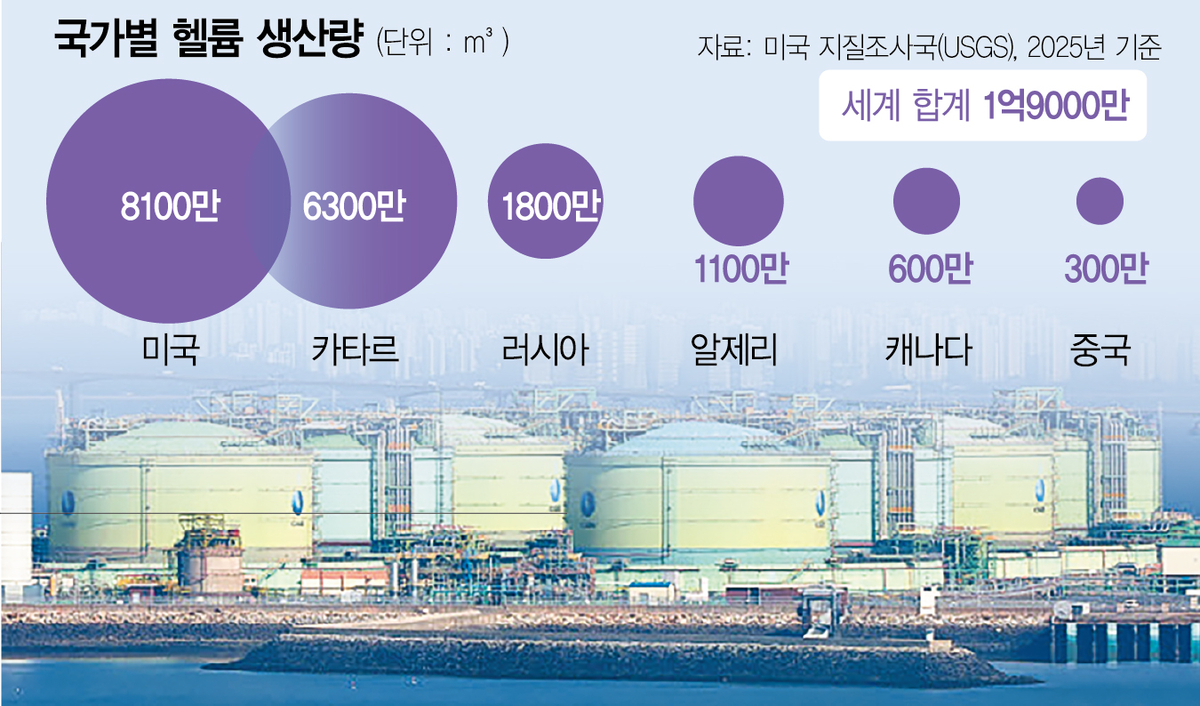
Helium — essential for wafer cooling and precision processes in semiconductor fabrication — is produced as a byproduct during LNG refining and liquefaction. With South Korea importing 65% of its helium from Qatar, the disruption carries outsized impact. The Ras Laffan LNG facility, operated by QatarEnergy, accounts for one-third of global helium supply, and its force majeure declaration has already driven helium spot prices up 100% in just two weeks.
Domestic companies currently hold approximately six months’ worth of helium inventory and report having secured alternative supply sources. However, procurement conditions are deteriorating rapidly. IBK Investment & Securities warned that prolonged disruption could escalate into a bottleneck for advanced semiconductor manufacturing and AI infrastructure development.
“If the dispute drags on, it could escalate into a bottleneck risk for advanced semiconductor manufacturing and AI infrastructure buildout.” — Lee Dong-wook, researcher at IBK Investment & Securities

Steelmakers Face Dual Fuel and Energy Exposure
South Korea’s steel industry is also exposed: LNG serves both as fuel for captive power generation and as a raw material in semi-finished product processing. Hyundai Steel uses LNG to generate electricity at its Dangjin steelworks, while POSCO — though primarily reliant on blast furnace byproduct gases — also incorporates LNG into its energy mix.

Shipping Firms Navigate Contractual Uncertainty
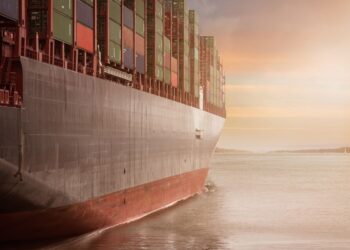
Three Korean shipping companies — Pan Ocean, H-Line Shipping, and SK Shipping — each operate five vessels (15 total) under long-term charter contracts with QatarEnergy. Most charters guarantee fixed fees regardless of cargo loading, but one SK Shipping vessel positioned inside the Strait of Hormuz faces potential contract termination. Rising reliance on alternative routes may increase working capital demands, straining cash flow during scheduled loan principal and interest repayments tied to ship financing.
Geopolitical Shifts Reshape Energy Sourcing Strategy
The crisis is accelerating South Korea’s strategic pivot away from Middle Eastern energy dependence. Iranian authorities began imposing transit fees of up to $2 million (≈3 billion won) per passage through the Strait of Hormuz starting Saturday local time — eroding the traditional cost advantage of Middle Eastern crude over North American or African alternatives. Even if U.S.-Iran negotiations yield a ceasefire, analysts stress that infrastructure remains vulnerable to recurring geopolitical shocks, heightening risk for long-term regional energy contracts.
Source: en.sedaily.com
Compiled from international media by the SCI.AI editorial team.