Explore

  • Trending
  • Latest
  • Tools
  • Browse
  • AI Assistant
  • Subscription Feed

Logistics

  • Ocean
  • Air Cargo
  • Road & Rail
  • Warehousing
  • Last Mile

Regions

  • Southeast Asia
  • South Asia
  • Central Asia
  • Japan & Korea
  • Middle East
  • Europe
  • Russia
  • Africa
  • North America
  • Latin America
  • Australia
SCI.AI
  • Supply Chain
    • Strategy & Planning
    • Logistics & Transport
    • Manufacturing
    • Inventory & Fulfillment
  • Procurement
    • Strategic Sourcing
    • Supplier Management
    • Supply Chain Finance
  • Technology
    • AI & Automation
    • Robotics
    • Digital Platforms
  • Risk & Resilience
  • Sustainability
  • Research
  • Expert Columns
  • English
    • Chinese
    • English
No Result
View All Result
  • Login
  • Register
SCI.AI
No Result
View All Result
Home Risk & Resilience Geopolitics

Qatar LNG Crisis Disrupts Helium Supply: 65% Korea Dependence

2026/03/29
in Geopolitics
0 0
Qatar LNG Crisis Disrupts Helium Supply: 65% Korea Dependence

According to en.sedaily.com, Qatar’s force majeure declaration on liquefied natural gas (LNG) supplies has triggered cascading disruptions across South Korea’s semiconductor, steel, and shipping sectors — with helium supply emerging as a critical vulnerability.

Helium Shortage Threatens Semiconductor Production

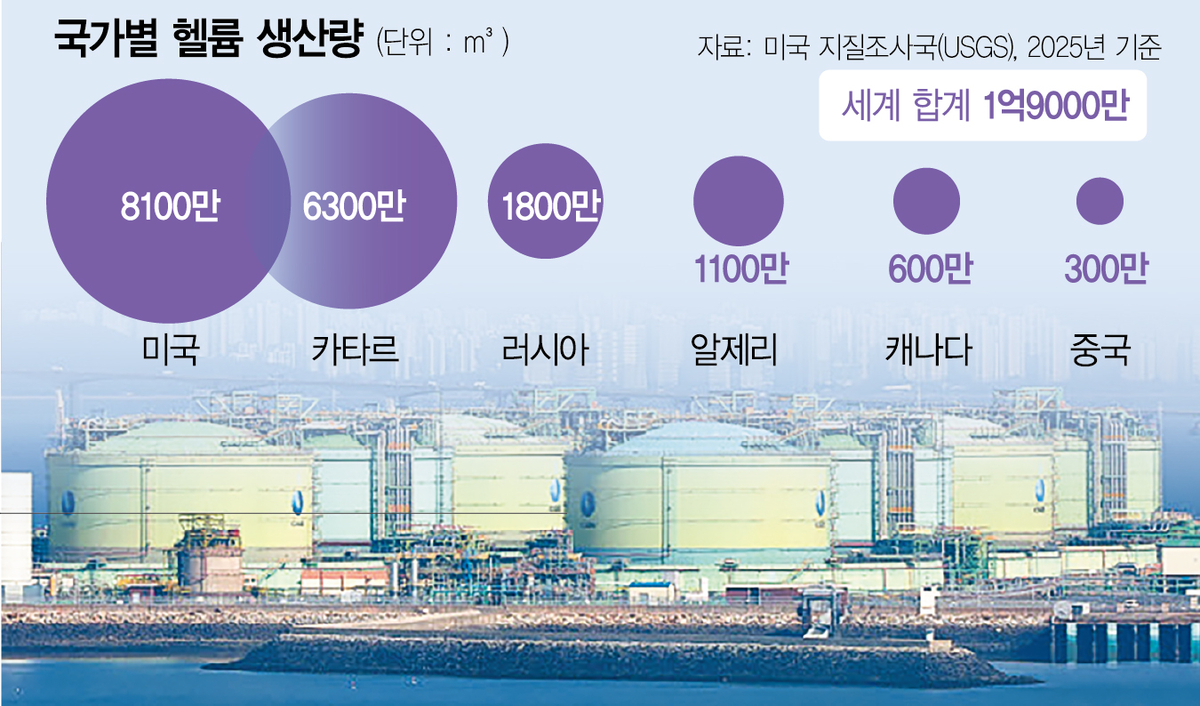
Helium — essential for wafer cooling and precision processes in advanced chip manufacturing — is produced as a byproduct of LNG refining. With South Korea importing 65% of its helium from Qatar, the disruption carries acute risk. The Ras Laffan LNG facility, where the force majeure was declared, accounts for one-third of global helium supply, according to IBK Investment & Securities.

Domestic semiconductor firms currently hold approximately six months’ worth of helium inventory and report having secured alternative suppliers. However, market conditions are deteriorating rapidly: helium spot prices have surged 100% in just two weeks. This volatility threatens continuity in high-end manufacturing, particularly for AI infrastructure buildout.

“If the dispute drags on, it could escalate into a bottleneck risk for advanced semiconductor manufacturing and AI infrastructure buildout.” — Lee Dong-wook, researcher at IBK Investment & Securities

Hana Bank
Hana Bank

Steel and Energy Use Under Pressure

South Korean steelmakers rely on LNG not only for captive power generation but also as a raw material input. Hyundai Steel uses LNG to generate electricity at its Dangjin steelworks. POSCO, while primarily powered by blast furnace byproduct gases, also incorporates LNG in select operations. Any sustained LNG shortage may force operational adjustments — including fuel substitution or reduced output — especially during peak energy demand periods.

Hana Bank
Hana Bank

Shipping Contracts Face Geopolitical Exposure

Korean shipping firms with long-term charters to QatarEnergy face uneven exposure. Pan Ocean (028670.KS), H-Line Shipping, and SK Shipping each operate five vessels — totaling 15 LNG carriers — under fixed-fee charters. Most contracts guarantee charter fees regardless of cargo loading. However, one SK Shipping vessel positioned inside the Strait of Hormuz faces potential contract termination — a direct consequence of escalating regional tensions.

Broader implications include increased working capital burdens if alternative shipping routes (e.g., longer detours around the Red Sea or Persian Gulf) become necessary. Such shifts could strain cash flow during scheduled loan principal and interest repayments for ship financing.

Geopolitical Toll Shifts Cost Calculus

The crisis coincides with Iran’s reported introduction of transit fees of up to $2 million (≈3 billion won) per passage through the Strait of Hormuz — effective Saturday local time. This undermines the longstanding economic rationale for Middle Eastern energy imports, which had relied on shorter distances and historically lower transport costs compared to North American or African alternatives.

Analysts stress that even a temporary ceasefire brokered via U.S.-Iran negotiations would not eliminate structural risk: energy infrastructure in the region remains vulnerable to recurring instability. As a result, long-term energy supply contracts with Middle Eastern counterparties now carry heightened counterparty and delivery risk.

Source: en.sedaily.com

Compiled from international media by the SCI.AI editorial team.
More on This Topic

  • MSC acquires 49% stake in Vizhinjam Port for $1.4bn (Jul 2, 2026)
  • UPS invests $48M in 27 temperature-controlled cross-dock facilities (Jul 2, 2026)
  • US refuses USMCA renewal amid China trade fault line (Jul 2, 2026)
  • CBP launches first tariff refund expansion for pending duty reconciliations (Jul 2, 2026)
  • Maersk raises 2026 EBITDA guidance to $8–$10 billion (Jul 1, 2026)
ShareTweet

Related Posts

MSC acquires 49% stake in Vizhinjam Port for $1.4bn
AI & Automation

MSC acquires 49% stake in Vizhinjam Port for $1.4bn

July 2, 2026
2
UPS invests $48M in 27 temperature-controlled cross-dock facilities
AI & Automation

UPS invests $48M in 27 temperature-controlled cross-dock facilities

July 2, 2026
3
US refuses USMCA renewal amid China trade fault line
Geopolitics

US refuses USMCA renewal amid China trade fault line

July 2, 2026
4
CBP launches first tariff refund expansion for pending duty reconciliations
Geopolitics

CBP launches first tariff refund expansion for pending duty reconciliations

July 2, 2026
2
Maersk raises 2026 EBITDA guidance to $8–$10 billion
AI & Automation

Maersk raises 2026 EBITDA guidance to $8–$10 billion

July 1, 2026
6
Trimble predicts AI-driven job apocalypse for logistics back offices
AI & Automation

Trimble predicts AI-driven job apocalypse for logistics back offices

July 1, 2026
4

Leave a Reply Cancel reply

Your email address will not be published. Required fields are marked *

Recommended

Chinese Shipyards Win 14+ VLCC Orders Amid Hormuz Crisis

Chinese Shipyards Win 14+ VLCC Orders Amid Hormuz Crisis

40 Views
April 24, 2026
The Middle East Ascendant: How Geopolitical Realignment, AI-Driven Finance, and Tariff Shockwaves Are Forging a New Global Trade Architecture

The Middle East Ascendant: How Geopolitical Realignment, AI-Driven Finance, and Tariff Shockwaves Are Forging a New Global Trade Architecture

14 Views
March 1, 2026
ASEAN Supply Chain Integrity Crisis: $3.7B Tobacco Revenue Lost Annually

ASEAN Supply Chain Integrity Crisis: $3.7B Tobacco Revenue Lost Annually

26 Views
April 27, 2026

The Fractured Backbone: How Structural Capacity Erosion, Tariff-Embedded Costs, and Climate-Driven Volatility Are Forging a New, Higher-Floor Freight Market in 2026

193 Views
February 28, 2026
Show More

SCI.AI

Global Supply Chain Intelligence. Delivering real-time news, analysis, and insights for supply chain professionals worldwide.

Categories

  • Supply Chain Management
  • Procurement
  • Technology


  • Risk & Resilience
  • Sustainability
  • Research

© 2026 SCI.AI. All rights reserved.

Powered by SCI.AI Intelligence Platform

Welcome Back!

Sign In with Facebook
Sign In with Google
Sign In with Linked In
OR

Login to your account below

Forgotten Password? Sign Up

Create New Account!

Sign Up with Facebook
Sign Up with Google
Sign Up with Linked In
OR

Fill the forms below to register

All fields are required. Log In

Retrieve your password

Please enter your username or email address to reset your password.

Log In

Scan to share via WeChat

Open WeChat and scan the QR code to share

QR Code

Add New Playlist

No Result
View All Result
  • Supply Chain
    • Strategy & Planning
    • Logistics & Transport
    • Manufacturing
    • Inventory & Fulfillment
  • Procurement
    • Strategic Sourcing
    • Supplier Management
    • Supply Chain Finance
  • Technology
    • AI & Automation
    • Robotics
    • Digital Platforms
  • Risk & Resilience
  • Sustainability
  • Research
  • Expert Columns
  • English
    • Chinese
    • English
  • Login
  • Sign Up

© 2026 SCI.AI