DHL Supply Chain has announced the global deployment of SVT Robotics’ SOFTBOT platform across 30 of its warehouse facilities, with ambitious plans to expand to over 100 sites worldwide within the next three years. This strategic move represents a fundamental shift in warehouse automation from hardware-centric implementations to a software-defined, technology-agnostic approach that promises to dramatically accelerate deployment timelines and enhance operational flexibility.
“The SOFTBOT Platform gives us an effective and efficient way to connect different types of robotics to our warehouse systems, monitor performance in real time and scale solutions across sites with confidence.” — Sally Miller, Global CIO, DHL Supply Chain
The Six-to-Eight Week Bottleneck: How SOFTBOT Breaks the Integration Gridlock
Historically, integrating new automation technologies into DHL’s warehouse operations required extensive custom coding and system-specific adaptations, consuming six to eight weeks per implementation. Each new robotic system, whether automated guided vehicles (AGVs), autonomous mobile robots (AMRs), or robotic arms, demanded unique interfaces and specialized programming. This lengthy integration cycle not only delayed operational benefits but created technological silos that limited flexibility and scalability.
The SOFTBOT platform fundamentally changes this paradigm by providing a unified, technology-agnostic software layer that abstracts hardware differences into standardized control protocols. New automation equipment can now be integrated within 72 hours rather than weeks, enabling DHL to respond rapidly to changing customer demands and market conditions. This acceleration is particularly valuable in e-commerce fulfillment environments where seasonal peaks can see order volumes increase by 300% or more within days.
Unified Data Layer: Creating Visibility Across Human-Robot Operations
Beyond faster integration, SOFTBOT’s most significant innovation lies in its creation of a unified data layer that provides comprehensive visibility across both automated systems and human workforce activities. Traditional warehouse management systems (WMS) and manufacturing execution systems (MES) typically operate in separate data silos, making it difficult to optimize the interaction between human workers and robotic systems.
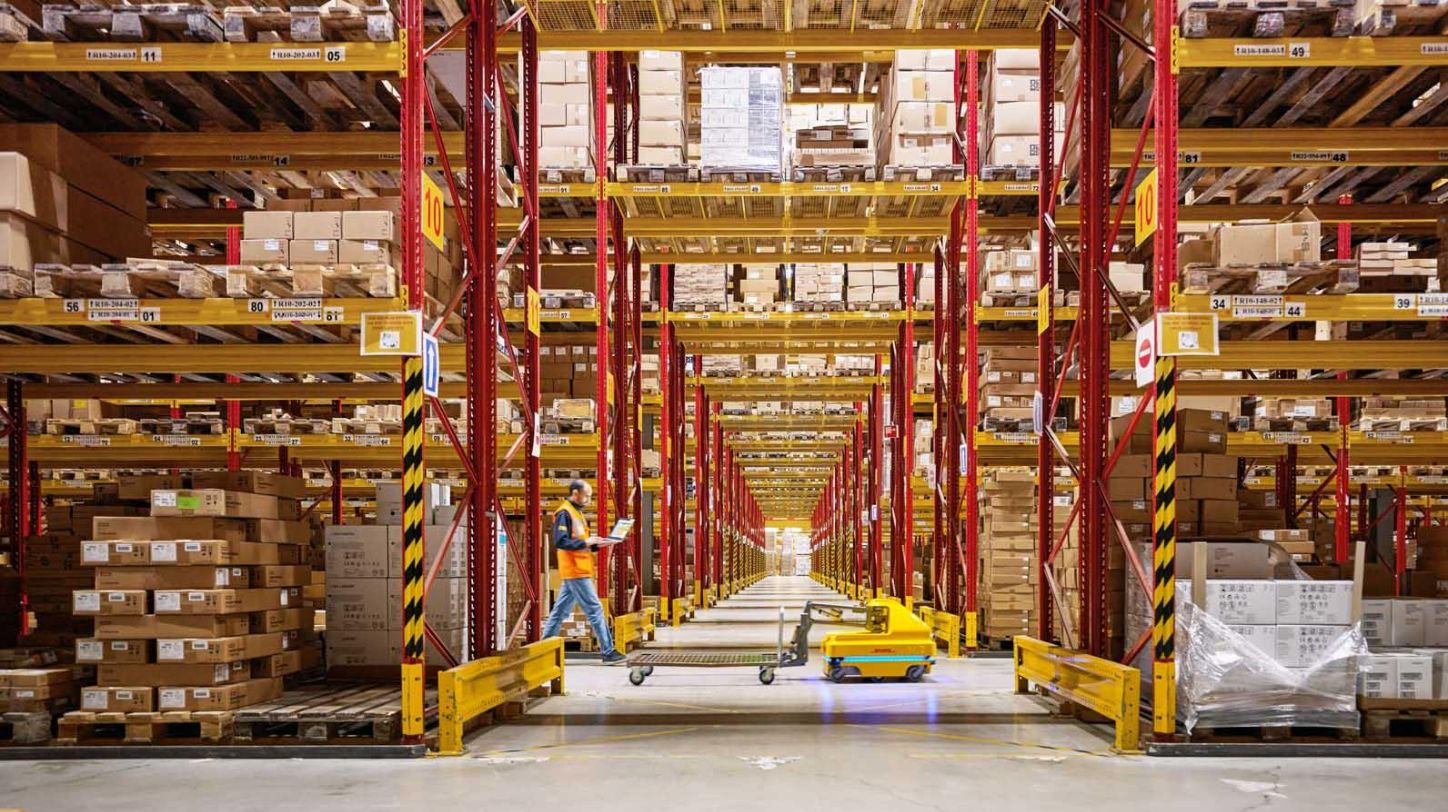
SOFTBOT bridges this gap by collecting and correlating data from multiple sources: robot performance metrics, employee task completion times, equipment utilization rates, and even environmental factors. This holistic view enables DHL to optimize hybrid operations where humans and robots work collaboratively rather than in isolation. Early implementations have shown promising results, with some facilities reporting 41% reductions in manual interventions and corresponding decreases in human error rates.
Global Expansion Strategy: From 30 to 100+ Sites
DHL’s current deployment spans 30 facilities across multiple regions, with the platform already demonstrating zero-downtime operations in Asia Pacific markets. The company’s three-year roadmap calls for expansion to more than 100 sites globally, covering all major logistics hubs in North America, Europe, Asia, and Latin America.
This expansion strategy reflects several key industry trends: First, the growing recognition that automation scalability depends more on software architecture than hardware capabilities. Second, the increasing importance of regional compliance and data sovereignty requirements in global operations. Third, the need for systems that can adapt to diverse labor markets, regulatory environments, and customer expectations across different geographies.
Technology-Agnostic Architecture: Avoiding Vendor Lock-In
Perhaps the most strategic aspect of DHL’s SOFTBOT implementation is its technology-agnostic design. By decoupling automation hardware from control software, DHL avoids vendor lock-in and maintains flexibility to select the best equipment for each specific application and location. This approach is particularly valuable in today’s supply chain environment, where geopolitical tensions, trade restrictions, and supply chain disruptions can suddenly limit access to specific technology providers.
The platform’s standardized interfaces allow DHL to mix and match equipment from different manufacturers, creating a truly heterogeneous automation ecosystem. This diversity provides operational resilience while enabling continuous innovation through competition among technology providers.
Industry Implications: The Shift to Software-Defined Warehousing
DHL’s SOFTBOT deployment signals a broader industry transition from hardware-focused automation to software-defined warehousing. As logistics operations become increasingly complex and dynamic, the ability to rapidly reconfigure automation systems through software changes becomes more valuable than incremental improvements in hardware performance.
This shift has significant implications for both logistics providers and technology vendors. For 3PLs like DHL, it means prioritizing software capabilities and integration frameworks when evaluating automation solutions. For technology providers, it suggests that future competitive advantage will come from open architectures, standardized interfaces, and ecosystem partnerships rather than proprietary hardware designs.
Future Outlook: Toward Autonomous, Self-Optimizing Warehouses
Looking ahead, DHL’s SOFTBOT implementation lays the foundation for increasingly autonomous warehouse operations. The platform’s unified data layer and real-time monitoring capabilities create the necessary infrastructure for machine learning algorithms to optimize operations continuously. Future enhancements could include predictive maintenance systems that anticipate equipment failures before they occur, dynamic task allocation algorithms that respond to real-time demand fluctuations, and self-healing systems that automatically reroute workflows around disruptions.
As DHL expands the platform to over 100 sites, it will create one of the world’s largest datasets on human-robot collaborative operations. This data asset could drive further innovation in warehouse automation and establish new industry standards for hybrid workforce management.
Source: www.logisticsmanager.com
This article was AI-assisted and reviewed by SCI.AI’s editorial team.