mamun, a Sharia-compliant trade finance platform, has raised a US$3 million seed round led by Phaze Ventures through its Oman Fund, with Jasoor Ventures participating. The Muscat-founded company uses AI-native underwriting to close a payment gap that leaves exporters waiting 60 to 90 days, against an Asian Development Bank-estimated global trade finance gap of US$2.5 trillion. Roughly 40% of its settlements already clear through Hong Kong institutions, and the round will scale origination and underwriting along the Greater Bay Area – Oman – UAE corridor. Oman's non-oil exports rose about 10% year-on-year through the first seven months of 2026.
According to vir.com.vn, mamun, a Sharia-compliant platform building capital infrastructure for trade finance, has raised a US$3 million seed round led by Phaze Ventures through its Oman Fund, with participation from Jasoor Ventures. The announcement was dated 4 November 2026 and positions the Muscat-founded company along a trade corridor linking the Greater Bay Area, Oman and the UAE.
Bridging a 60-to-90-day payment gap
The platform targets a structural problem in cross-border commerce: an exporter in Muscat ships goods today but is paid in 60 to 90 days. Banks rarely bridge that gap because they usually rely on a long financial track record that many small exporters find hard to provide, according to the source.
The scale of the shortfall is significant. The Asian Development Bank puts the global trade finance gap at US$2.5 trillion, and 41% of SME trade finance applications are turned down, according to the report.
mamun addresses this through AI-native underwriting that assesses the company behind the trade alongside the shipment itself — the contract, the buyer, the trade documents and the trading history between them. Its origination engine finds and screens that trade as it forms, and investors on the platform then finance the gap.
Why the border is the hard part
A cross-border transaction spans two regulators, two banking systems and two legal regimes, with settlement that has to land in another jurisdiction on time while the collateral is in motion, travelling with the goods along the route. That complexity is why most of the region’s financing platforms have stayed domestic, and it is described as mamun’s moat.
The platform was built across the corridor: an FSA-regulated home and origination base in Muscat; Abu Dhabi for Gulf capital and UAE flows; and Hong Kong SAR, the financing gateway of the Belt and Road Initiative, for the Greater Bay Area and the Gulf–Asia trade routes. Roughly 40% of the platform’s trade finance settlements already clear through Hong Kong-based financial institutions and businesses.
mamun’s licence sits within the FSA’s crowdfunding framework, which allows the platform to bring in investors from inside and outside the Sultanate, and to finance companies inside and outside the Sultanate, subject to the platform’s eligibility criteria and the laws applicable in each investor’s country.
Corridor trade is growing
Oman’s non-oil exports ran about 10% higher year-on-year through the first seven months of 2026, and re-exports were 13.6% higher, with the UAE its largest non-oil trading partner, according to the source. New corridors bring new counterparties: businesses trading together for the first time, with no shared history for a lender to underwrite against.
The round brings together capital from Oman and the UAE. Phaze Ventures invests through its Oman Fund, dedicated to homegrown, AI-enabled Omani businesses, while Jasoor Ventures is an early-stage venture capital firm backing technology founders across the Middle East, North Africa and Turkey.
The US$3 million will scale the AI-native origination and underwriting, growing the volume of trade the platform can originate, assess and finance along the Greater Bay Area – Oman – UAE corridor.
AI adoption already widespread among banks
The financing model aligns with where the industry is heading. In the Asian Development Bank’s January 2026 survey, 84% of banks already apply AI to trade finance risk, according to the report — and mamun was built that way from origination onward.
“The businesses moving goods between the Gulf and Asia are growing faster than the financing behind them. We built mamun in Muscat, under Omani regulation, to serve trade along the corridor between the Gulf and Asia. This round scales that engine — and the corridor it serves.” — Saleh Al Tamami, Co-Founder & CEO, mamun
Abdullah Al Shaksy, Co-Founder & CEO of Phaze Ventures, framed the investment as a bet on Omani diversification. In his words, the firm’s thesis is backing homegrown companies that turn Oman’s diversification agenda into regional infrastructure, and mamun is exactly that — structured across the corridor and built by a team that has executed quietly and precisely, making it a natural commitment from the Oman Fund.
Founding team and recognition
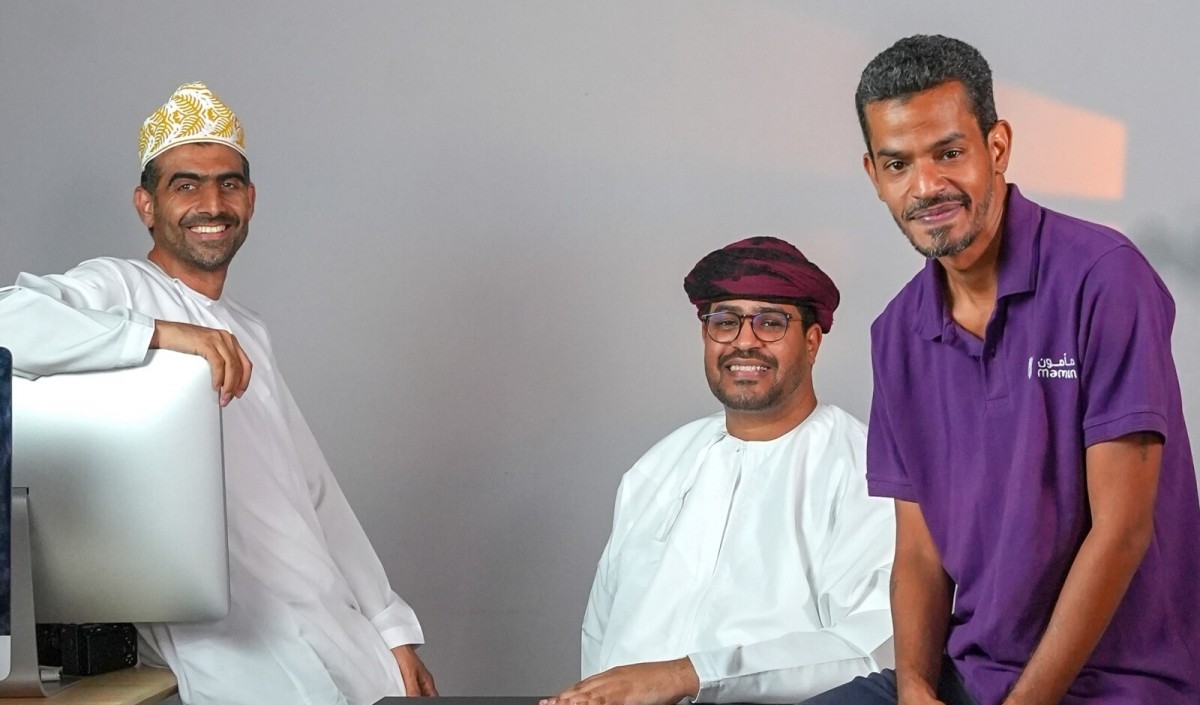
mamun was founded by Saleh Al Tamami, Co-Founder & CEO; Mohammed Al Tamami, Co-Founder & Chief Commercial Officer; and Ahmed Al-Issaei, Co-Founder & CTO.
The company was named a Rising Star on the Deloitte Technology Fast 50 Middle East 2025, ranking 26th, according to the source.
The announcement states that it is for information only and does not constitute an offer or invitation to invest. It also notes that mamun is not licensed by the Securities and Futures Commission of Hong Kong (SFC).
Source: vir.com.vn
Compiled from international media by the SCI.AI editorial team.