S&P Global's Patricia says Brazil must convert mineral wealth into competitive projects to lead global critical minerals supply chains. Mining stocks have surged 134% since the start of 2025, nearly four times the S&P 500's 39% gain, as trade tensions and technology demand reshape flows. Yet investment commitments from the 30 largest AI firms and data center operators exceed US$ 2.1 trillion — about five times those of the 30 biggest miners — while the average deposit-to-production timeline is 17 years. China refines around 85% of rare earths, and for copper roughly 94% of chain value sits in mining and concentrate.
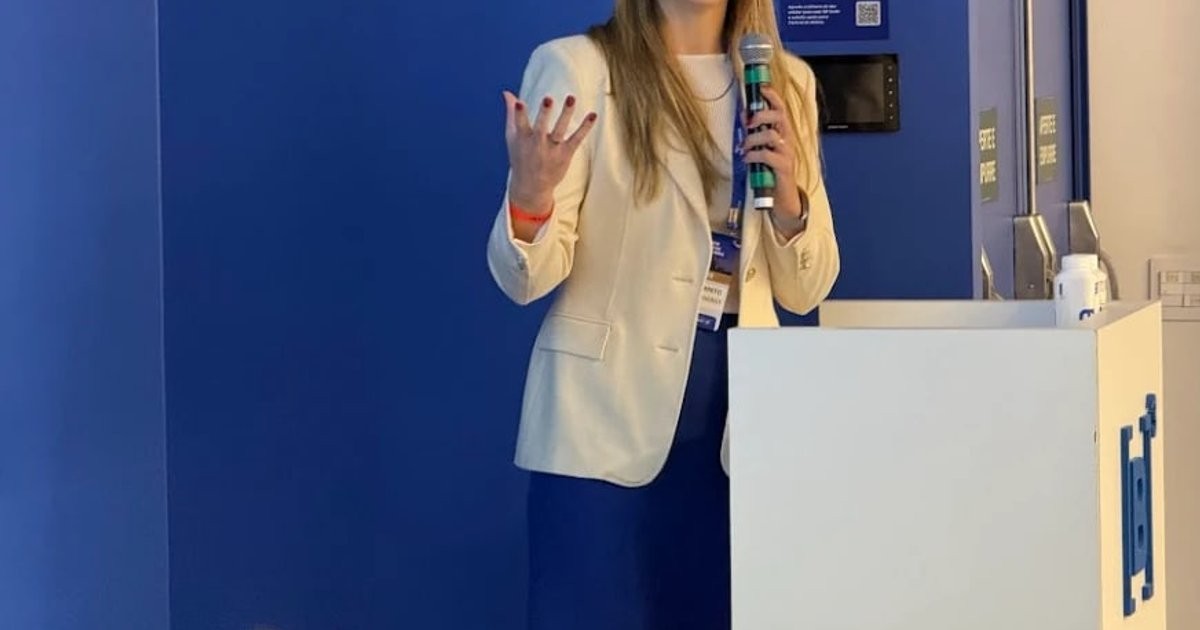
According to brasilmineral.com.br, Patricia, associate director of Short-Term Critical Minerals Analysis at S&P Global, told an industry audience that Brazil’s strategic position in global mineral supply chains must “advance in the present to lead in the future,” as a worldwide scramble for critical minerals reshapes investment flows, industrial policy and economic security strategies.
The competition, she argued, is no longer only about supply and demand. Governments and companies are reassessing the role minerals play across the entire economy, a shift already visible in financial markets.
Mining stocks outrun the broader market
S&P Global data show the scale of the repricing. Since the start of 2025, the S&P 500 has gained roughly 39%, while energy company shares rose about 49%. Over the same period, the metals and mining index climbed 134% — nearly four times the performance of the wider market.
Patricia linked the rally to trade policy. She said the move gained force with the United States’ tariff policy and China’s commercial responses, which shifted international goods flows and intensified the search for alternative sources of supply. The reaction, she added, signals a change in investor perception: secure access to minerals has become a strategic variable for entire industrial sectors.
Technology complexity multiplies mineral demand
The transformation is tied to growing technological complexity. Patricia compared the first iPhone, launched in 2007 with approximately 45 materials, with current models that depend on about 75 elements drawn from production chains spread across many countries.
S&P Global expects the coming decade to bring an unprecedented expansion of physical and digital infrastructure, driven by the energy transition, artificial intelligence, data centers and electrification. That widens demand for copper, lithium, graphite and rare earths.
Copper is needed in large volumes for power grids, generation and new infrastructure. Rare earths, used in far smaller quantities, can become critical bottlenecks for whole chains: an electric vehicle uses under two kilograms of rare-earth magnets, yet supply restrictions on those materials could disrupt automotive production.
Investment gap: $2.1 trillion versus 17-year mine timelines
The core problem, according to Patricia, is that investment in mineral-consuming sectors is outpacing the ability to develop new mines. Investment commitments by the 30 largest artificial intelligence companies and major data center operators exceed US$ 2.1 trillion, roughly five times the commitments of the 30 largest mining companies.
Meanwhile, the historical average between discovering a deposit and starting production is about 17 years, including in Brazil. “There is an enormous mismatch between the speed at which demand is growing and the capacity to bring a project into production,” she said.
“There is an enormous mismatch between the speed at which demand is growing and the capacity to bring a project into production.” — Patricia, Associate Director of Short-Term Critical Minerals Analysis, S&P Global
China’s refining grip and the diversification push
China accounts for approximately 85% of global rare-earth refining, the result of decades of industrial policy integrating mining, processing and advanced technology manufacturing, according to S&P Global data.
Patricia said that position was not built on natural resources alone but on long-term strategy backed by investment, industrial planning and coordination across production stages. Concentration is now read by governments and companies as a risk to economic and industrial security, spurring supplier-diversification policies, financing programs and strategic stockpiles over the past two years.
Brazil’s advantages — and the value-added question
Brazil combines attributes few competitors offer simultaneously: mineral resources, a power mix with a high share of renewables, established mining experience, a relatively developed financial structure and growing institutional support, including a national critical and strategic minerals policy.
Patricia cited Brazil’s position in rare-earth and graphite reserves and its companies’ track record in building and operating large mining ventures. Still, she cautioned that resources alone do not guarantee leadership in global chains.
Value addition must reflect each mineral’s economics. For copper, about 94% of the chain value she presented sits in mining and concentrate production, changing the calculus for additional refining investment.
“So the strategic question for Brazil is not simply how many stages Brazil should advance. In which activities can Brazil have a sustainable competitive advantage?” — Patricia, S&P Global
S&P Global also sees isolated mining projects giving way to integrated industrial ecosystems, with miners, technology makers, investors and end users partnering from early development — as in automotive and lithium agreements featuring long-term supply contracts and financing tied to future output.
Source: brasilmineral.com.br
Compiled from international media by the SCI.AI editorial team.