According to FreightWaves, Mexican trade officials are warning cross-border operators that identity thieves are spoofing domains and using stolen transaction data to divert customs-related payments — with attempted identity fraud in U.S. cargo and logistics operations rising 213% from 2023 to 2024, then climbing another 30% in 2025 to a rate of 2.15% of transactions.
Identity Theft Targets Cross-Border Customs Payments
Javier Cendejas, president of the Mexican Council for Foreign Trade’s Northeast chapter (COMCE Noreste), reported at a news conference on September 28 that criminals have impersonated both importers and customs brokers to intercept electronic payments. In one documented case, a foreign trade company authorized a transfer believing it was destined for a legitimate customs agency — only for the funds to be rerouted by third parties who had stolen identities tied to the transaction.
Cendejas explained that fraudsters create internet domains mimicking those of real companies and send messages claiming banking details have changed. Because they often possess detailed shipment or transaction information, these requests appear credible. The time-sensitive nature of freight — where delays trigger storage fees or cargo holds — pressures treasury staff to act quickly, increasing risk.
“This urgency can lead a treasury employee to make a transfer without verifying it through a second channel.” — Javier Cendejas, president of COMCE Noreste
Advance payments to customs brokers remain especially vulnerable, as they cover handling, storage, pre-validation, transportation, and third-party services. Mexican authorities have responded by mandating that customs agents maintain electronic files containing identification, tax, and contact information for all clients engaging in foreign-trade operations, per a May 14, 2026 release from the Mexican government.
LEGO Expands Manufacturing in Nuevo León
LEGO Group plans to invest $400 million — equivalent to approximately 8.6 billion Mexican pesos — to expand its manufacturing complex in Ciénega de Flores, Nuevo León. The project, announced by Mexican Economy Minister Marcelo Ebrard on September 24, 2026, will add more than 1,300 jobs and increase production and warehousing capacity through 2029.
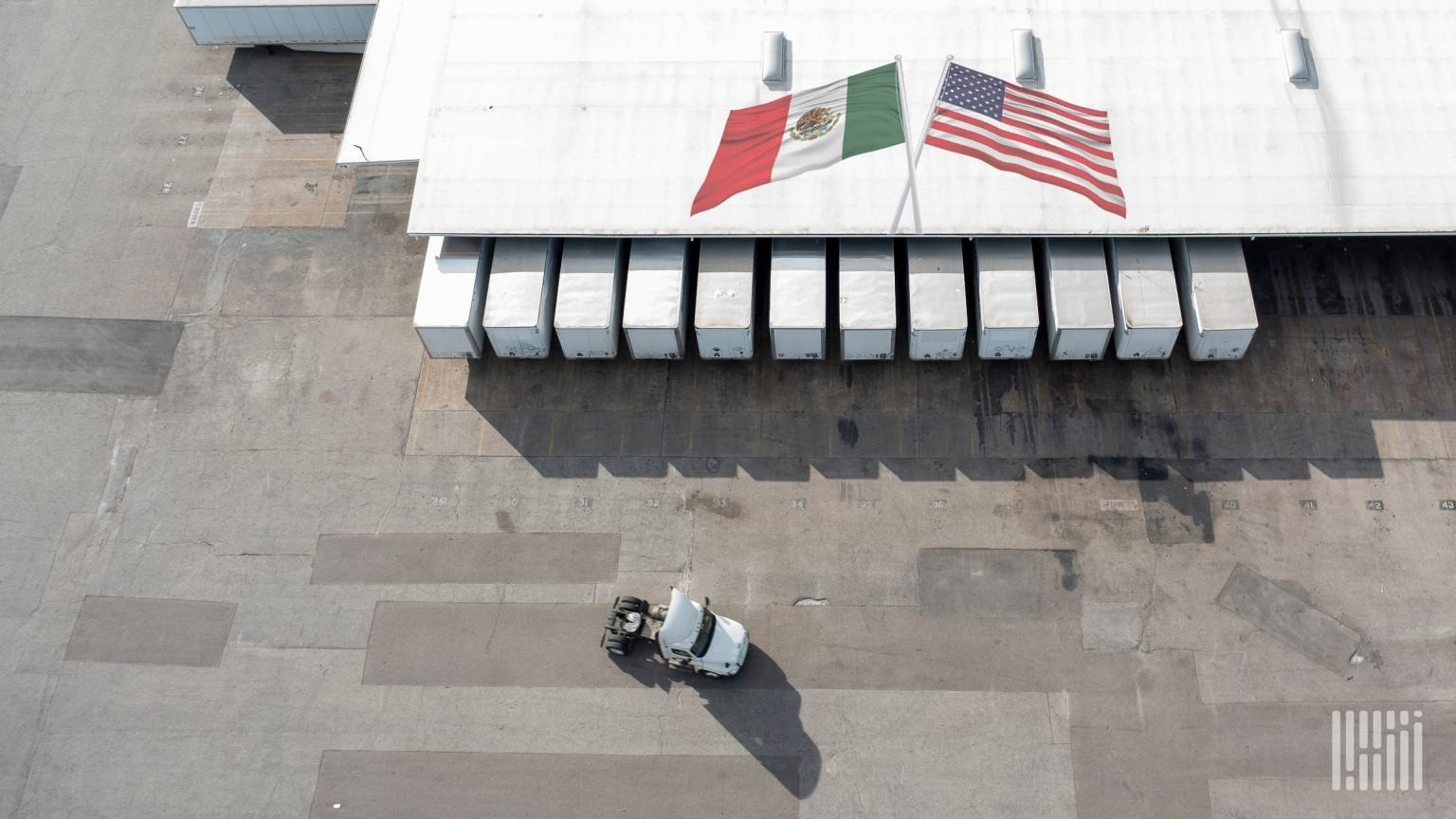
The expansion underscores growing industrial investment along the U.S.-Mexico border. According to Mexico Business News, the facility lies north of Monterrey and forms part of broader nearshoring momentum in the region.
While not directly linked to the fraud trend, the scale of LEGO’s commitment highlights how cross-border infrastructure investments coexist with intensifying digital security risks — requiring parallel upgrades in payment verification, identity validation, and staff training across logistics and customs ecosystems.
Source: FreightWaves
Compiled from international media by the SCI.AI editorial team.