Skip to content

Warehousing & Transport

Analysis

Service Robots for Logistics Hit 49% of 2025 Sales

According to www.thescxchange.com, service robots used for transportation and logistics represented 49% of all global service robot sales in 2025. Total shipments rose 24% to nearly 250,000 units that year. Healthcare accounted for 20% of deployments, cleaning for 13%, and other professional services for 26%. The report provides no company-specific or regional breakdowns beyond these aggregate functional percentages and the 2025 timeframe.

Original source: Source information pending

Service Robots for Logistics Hit 49% of 2025 Sales

According to www.thescxchange.com, nearly half of all service robots sold globally in 2025 were deployed for transportation and logistics applications.

Market Growth and Volume

Total global shipments of service robots rose by 24% year-on-year, reaching nearly 250,000 units in 2025. This growth reflects accelerating adoption across fulfillment centers, distribution hubs, and last-mile delivery operations — with logistics accounting for 49% of all service robot sales that year.

The remaining units served diverse functions: 13% supported cleaning and sanitation, 20% were assigned to healthcare assistance, and 26% covered other professional services including inspection, security, and hospitality. No single alternative application surpassed logistics in market share.

This expansion occurred amid broader industry shifts, including heightened investment in warehouse automation and rising labor cost pressures — both cited as key drivers behind the 24% shipment increase.

Application Distribution

A chart accompanying the report visualizes functional allocation across the 250,000 units shipped in 2025. Transportation and logistics dominated at 49%, followed by healthcare (20%), cleaning (13%), and other professional uses (26%). The data confirms logistics as the largest single-use category for service robots worldwide that year.

Notably, the report does not identify any specific companies, geographic markets beyond global scope, or individual product models driving this trend — focusing exclusively on aggregate shipment volume and functional breakdown.

The 2025 figures represent a marked acceleration from prior years, though no comparative baseline years or historical growth rates beyond the 24% increase are provided in the source material.

Source: thescxchange.com

Compiled from international media by the SCI.AI editorial team.
Ask SCI.AI Finished reading? Continue with SCI.AI. Explore the related policy, route, company and historical context. Continue asking
PlusAI to close $800M SPAC merger by year-end
Manufacturing

PlusAI to close $800M SPAC merger by year-end

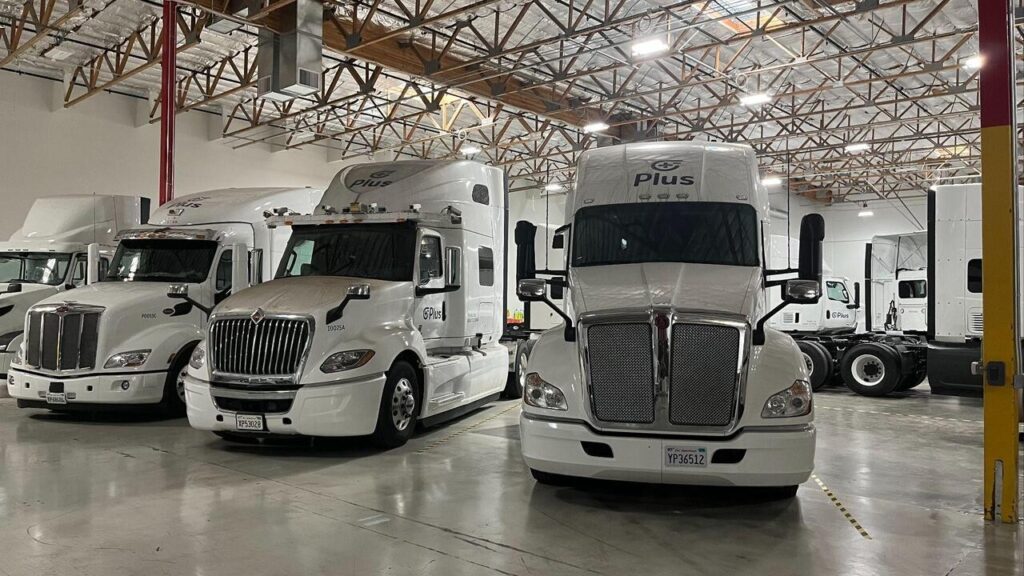
PlusAI expects to close its $800 million SPAC merger with Texas Ventures Acquisition III Corp. by year-end, securing up to $300 million in proceeds—including $60 million in committed financing and a $236 million SPAC trust—to fund operations through 2027. Its HyperFoundry platform generated $25 million in revenue this year and targets $40–$50 million in contracted revenue for 2026. Commercial pilots run daily in Texas with International and Ryder, while OEM partnerships with TRATON, Hyundai, and IVECO pave the way for SuperDrive deployment. Driverless truck commercialization is slated for 2027.

CMA CGM acquires FedEx Supply Chain for $1.4 billion
Technology

CMA CGM acquires FedEx Supply Chain for $1.4 billion

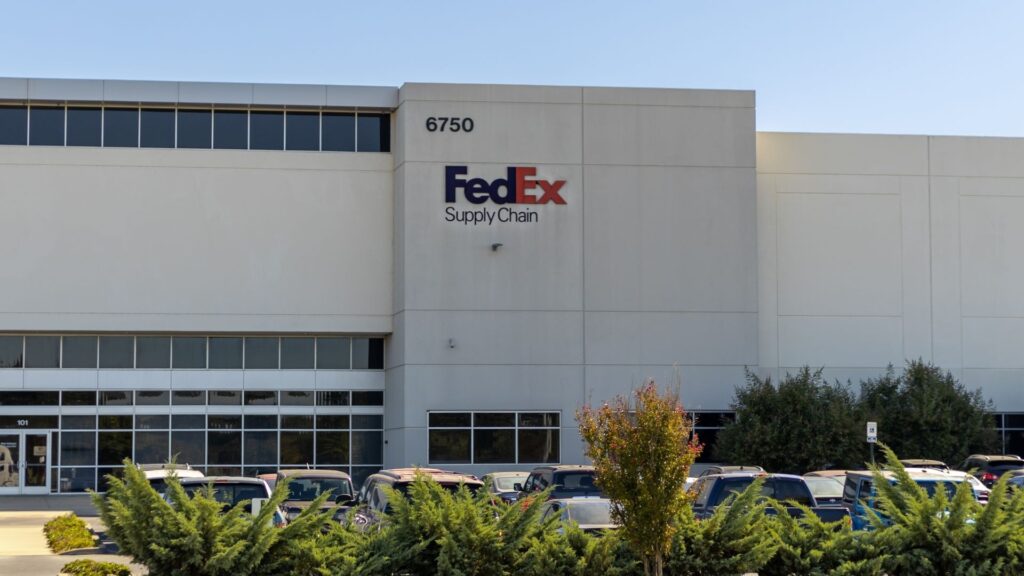
CMA CGM has completed its $1.4 billion acquisition of FedEx Supply Chain, gaining control of more than 20 U.S. distribution centers and 13,000 employees. The deal, approved by U.S. antitrust regulators in August 2026, expands CMA CGM’s logistics footprint across North America. FedEx Supply Chain reported $2.1 billion in revenue in its most recent fiscal year. CMA CGM plans to invest $180 million over two years to upgrade automation and IT systems. Integration is scheduled for completion by end-2026.

India’s Tea Exports Drop 20% Amid Freight Surge, Logistics Disruptions
Warehousing & Transport

India’s Tea Exports Drop 20% Amid Freight Surge, Logistics Disruptions

India’s tea exports are expected to fall 20% year-on-year in 2026 due to soaring freight rates and logistics disruptions linked to the West Asia crisis. Total exports dropped 16.11% to 128.56 million kgs in January–July 2026. Freight costs to key markets like Iran and Iraq rose more than 10-fold, prompting Bhansali & Co. to forecast a 30%+ export decline. Though exports reached 285.53 million kgs in 2025—up from 256.11 million kgs in 2024—regulatory hurdles in Europe and pricing constraints in the Middle East compound the pressure. Demand resilience has helped sustain prices despite lower volumes.

Welcome Back!

Login to your account below

Create New Account!

Fill the forms below to register

Retrieve your password

Please enter your username or email address to reset your password.

Scan to share via WeChat

Open WeChat and scan the QR code to share

QR Code

Add New Playlist