According to tlimagazine.com, Lowe’s has launched a drone delivery pilot for home improvement products in Matthews, North Carolina, on Sept. 24, targeting small, urgent orders with deliveries arriving in as little as 20 minutes.
Limited-capacity service targets high-urgency micro-orders
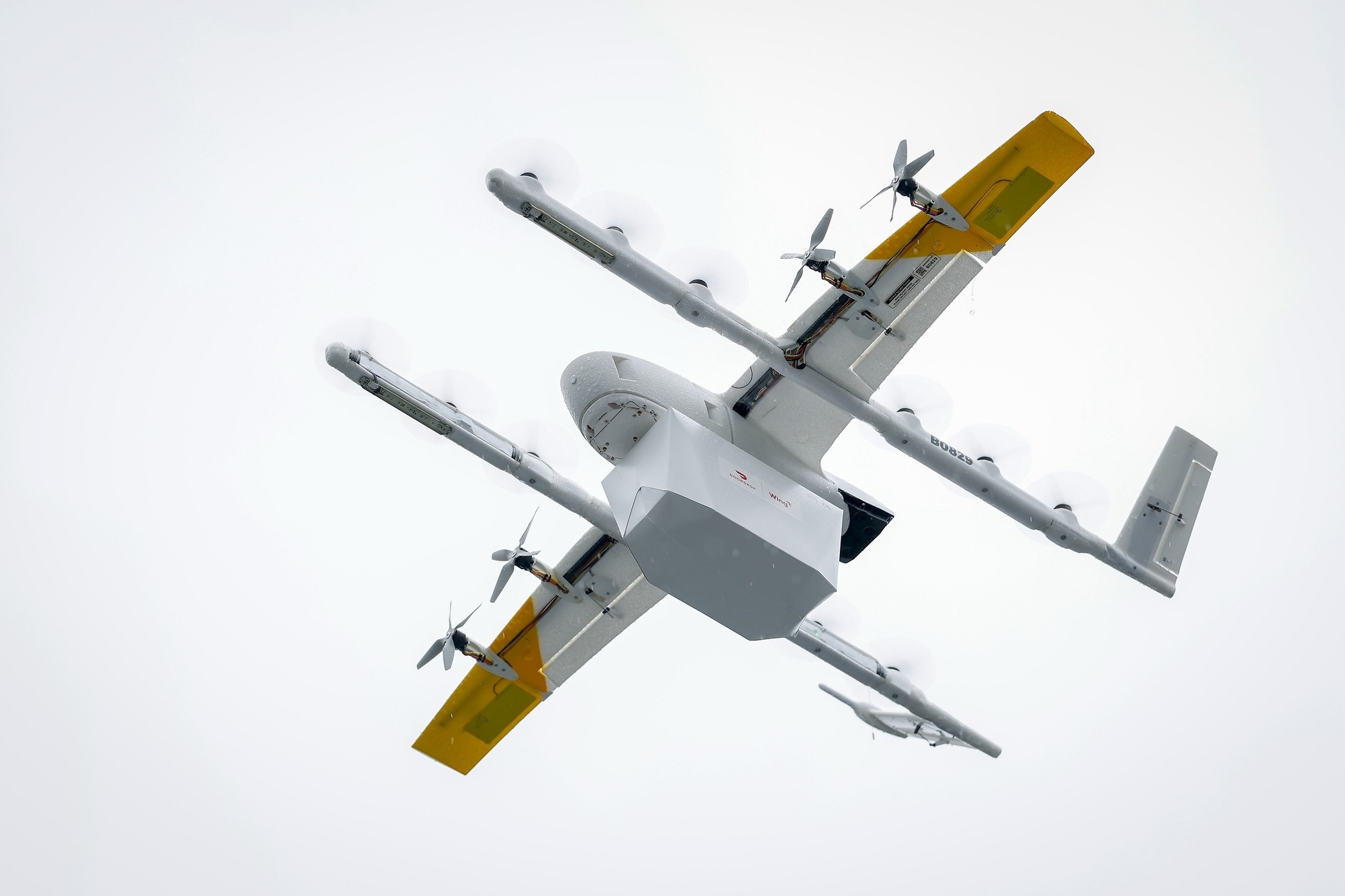
The service operates through a dedicated storefront on DoorDash, with flights managed by drone operator Wing. Wing’s aircraft are constrained to carrying orders of approximately 2.5 pounds per flight — excluding most large home improvement items but enabling fast delivery of hand tools, tape, batteries, paint supplies, soap, and cleaning products. According to Lowe’s, this weight cap reflects a deliberate focus: a missing battery or roll of tape can halt a repair job, making rapid fulfillment operationally meaningful rather than merely convenient.
Lowe’s reported more than $86 billion in fiscal 2025 sales and operates over 1,750 home improvement stores. The Matthews pilot is therefore a narrow test within a vast network — designed not to replace van-based last-mile logistics but to identify where ultra-fast, lightweight delivery adds measurable value to customer workflows.
The model’s economic viability hinges on matching the right orders to the right channel. As the source states, drones do not need to carry lumber or appliances to play a useful role — they need enough customers who value getting a small item to the right place quickly.
Reliance on shared infrastructure lowers retail entry barriers
Lowe’s did not develop its own drones or aviation network. Instead, it leverages third-party infrastructure: Wing handles flight operations, while DoorDash provides the digital ordering interface. This partnership model reduces capital and regulatory exposure for retailers. Wing says it has completed more than 1 million commercial home deliveries and is expanding its work with Walmart; their joint network is expected to operate from more than 270 Walmart locations during 2027 and reach more than 40 million Americans.
Scale matters: a retailer connecting inventory to an existing drone service faces a fundamentally different investment decision than one building an independent aviation system from scratch. Over time, drones may become just one option among many — alongside parcel carriers, delivery vans, and store pickup — selected based on order size, destination, and urgency.
This approach points toward a more varied last mile rather than the replacement of one delivery method with another. For logistics operators, the implication is diversification — not displacement.
Constraints define the operational niche
Aviation safety, noise, privacy concerns, and geographic service boundaries remain key constraints. Customers must reside within Wing’s designated service area and have a suitable landing location. Weight restrictions and flight regulations mean most large home improvement products cannot be delivered by drone. As the source notes, these limitations clarify the technology’s likely commercial role: handling a narrow category of lightweight, time-sensitive orders — not replicating conventional delivery models.
The Lowe’s pilot tests more than customer interest in drones. It gathers data on which products people order, when they use the service, and whether rapid delivery changes how customers shop for small project supplies. That insight will determine whether the model makes economic sense beyond the trial phase.
Source: tlimagazine.com
Compiled from international media by the SCI.AI editorial team.