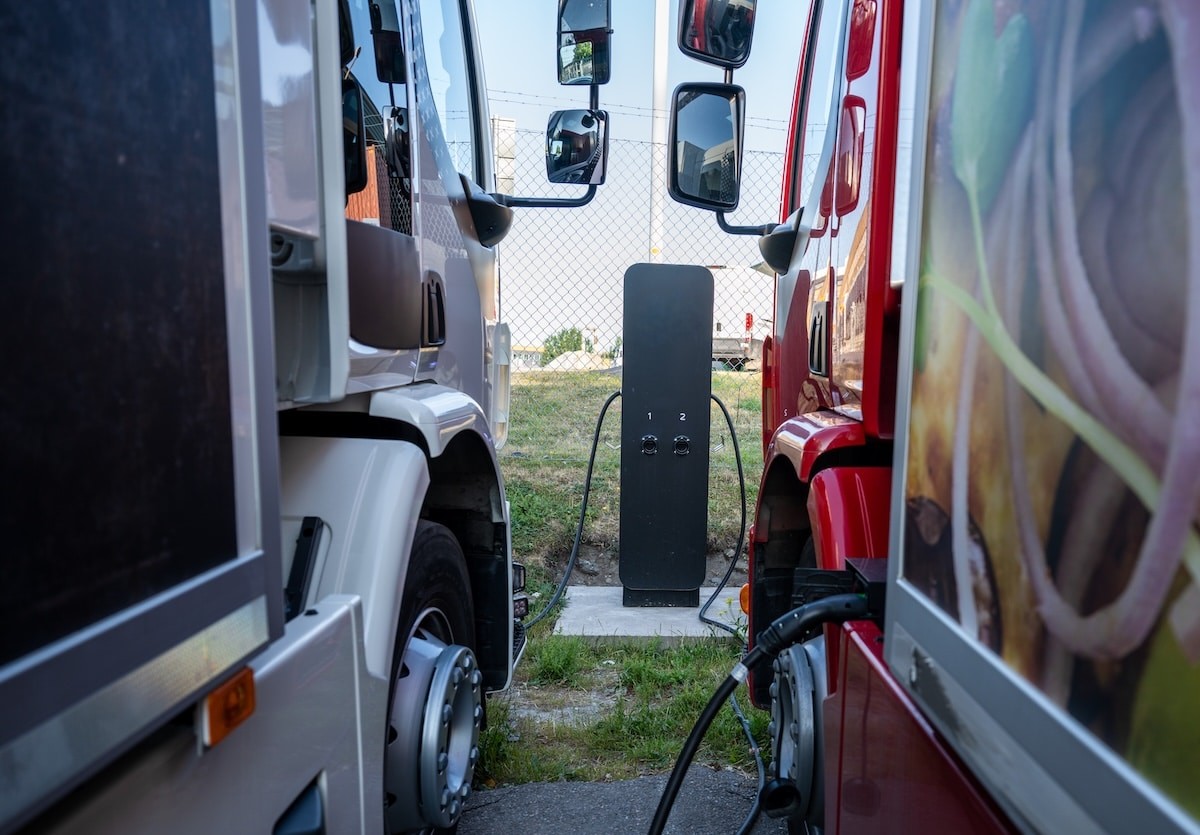
According to mhdsupplychain.com.au, the Victorian Government has allocated $8 million to its Freight Decarbonisation Co-Investment Program, supporting more than 30 small and medium-sized freight businesses in adopting cleaner technologies.
Grant Recipients and Project Scope
The program announced its successful recipients on September 21, with funded initiatives spanning electric freight vehicles, charging infrastructure, and emissions-reduction measures across transport and warehousing operations. Grants of up to $300,000 are available to eligible operators with up to 200 employees engaged in road or rail freight movement. Projects must align with the Victorian Freight Plan 2025–2030, which identifies cleaner equipment investment as a core action for reducing freight-sector emissions.
Among the awardees is Foodbank, which will receive $205,000 to replace a diesel truck with a battery-electric vehicle at its Altona warehouse. The new vehicle will be used exclusively for food collection and distribution across Victoria, directly cutting tailpipe emissions from daily relief logistics.
The program also supports broader supply chain decarbonisation by generating real-world operational data. Each funded project will provide the Victorian Government with insights into technical, financial, and logistical challenges faced by transport and logistics operators when deploying lower-emission technology — information intended to inform future policy and investment decisions.
Economic Context and Strategic Alignment
Victoria’s freight industry contributes approximately $36 billion annually to the state economy and employs roughly 240,000 people. The Victorian Freight Plan 2025–2030 positions decarbonisation not only as an environmental priority but as a means to improve long-term operational efficiency and cost resilience across this critical economic sector.
Victorian Minister for Ports and Freight Melissa Horne emphasized dual benefits: “We are backing important businesses like Foodbank and helping them reduce costs with new technology,” she said. The program launched in March and explicitly targets SMEs — defined here as enterprises with no more than 200 employees — to ensure equitable access to transition support.
Source: mhdsupplychain.com.au
Compiled from international media by the SCI.AI editorial team.