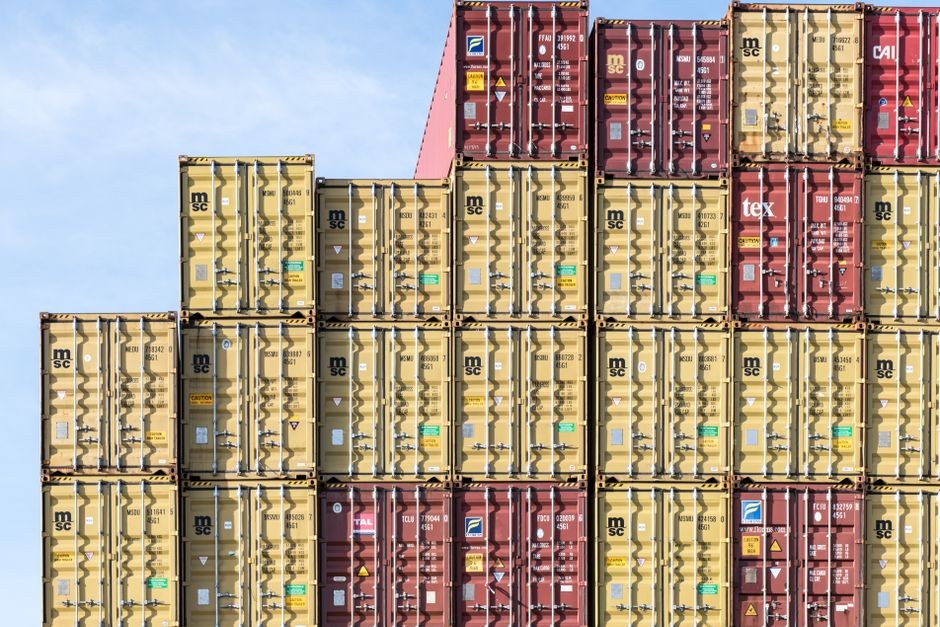
According to The Loadstar, Canadian importers are pivoting toward European and UK suppliers amid punitive U.S. tariffs — including a 50% levy on Canadian goods — and retaliatory measures that have disrupted cross-border freight flows as of 23 September 2026.
Trade war reshapes container flows
The U.S.-Canada trade conflict has triggered immediate recalibration across key industrial sectors. Steffen Manz, founder and CEO of forwarder Speed Global Logistics, confirmed that industrial manufacturing, automotive components, and consumer packaged goods are experiencing the strongest pressure, as 25% to 50% tariffs erase already thin margins. While total container volumes have not yet shifted en masse, shippers are running trial batches — shipping just a few TEU or less-than-container-load (LCL) consignments from the EU to assess transit times and landed costs.
Manz emphasized the operational complexity involved: “You can’t just flip a switch; you have to vet new suppliers, align technical specifications, and adjust to longer transit lead times. Moving from a two-day cross-border truckload to a 14-to-21-day ocean voyage means companies have to completely re-engineer their inventory carrying costs and warehouse capacity.”
This logistical reengineering is unfolding against a backdrop of severe friction at land borders. Customs brokers are overwhelmed by complex paperwork to determine tariff exemptions, and cross-border freight volumes have softened on select lanes as firms pause shipments to await clarity.
Transatlantic agreements create structural alternatives
The formal entry of the UK into the Comprehensive and Progressive Agreement for Trans-Pacific Partnership (CPTPP) on 1 September, combined with the existing EU-Canada Comprehensive Economic and Trade Agreement (CETA), now offers a regulatory corridor with duty-free stability. As Manz stated:
“The trade agreements provide an excellent structural safety valve… For Canadian importers, it makes British and European goods financially competitive with US alternatives, even when you factor-in ocean freight costs.” — Steffen Manz, founder and CEO of Speed Global Logistics
This shift is expected to alter mode mix significantly: reduced cross-border over-the-road (OTR) trucking and increased inbound maritime volumes into Montreal, Saint John, and Halifax — alongside rising transatlantic air freight for high-value, time-sensitive goods.
Crucially, the pivot reflects long-term strategic recalibration, not short-term reaction. “The motivation to look to Europe is pure survival,” said Manz. With cross-border trade now “punitive and unpredictable,” EU sourcing under CETA delivers predictable, duty-free access — a shift he expects to accelerate through Q4 2026 and into next year.
Supply chains prioritize stability over speed
Supply chain managers, according to Manz, “hate volatility more than they hate high costs.” Even if U.S.-Canada relations improved overnight, the psychological impact remains: “Shippers realised they were dangerously over-exposed to a single trading partner.” The result is active, deliberate diversification — a structural realignment, not a knee-jerk response.
This includes re-evaluating inventory models, supplier onboarding timelines, and warehouse capacity planning — all driven by the need to de-risk against geopolitical shocks. The Fairview Cove Container Terminal, among other Atlantic gateways, stands to see increased throughput as maritime import volumes rise.
Source: The Loadstar
Compiled from international media by the SCI.AI editorial team.