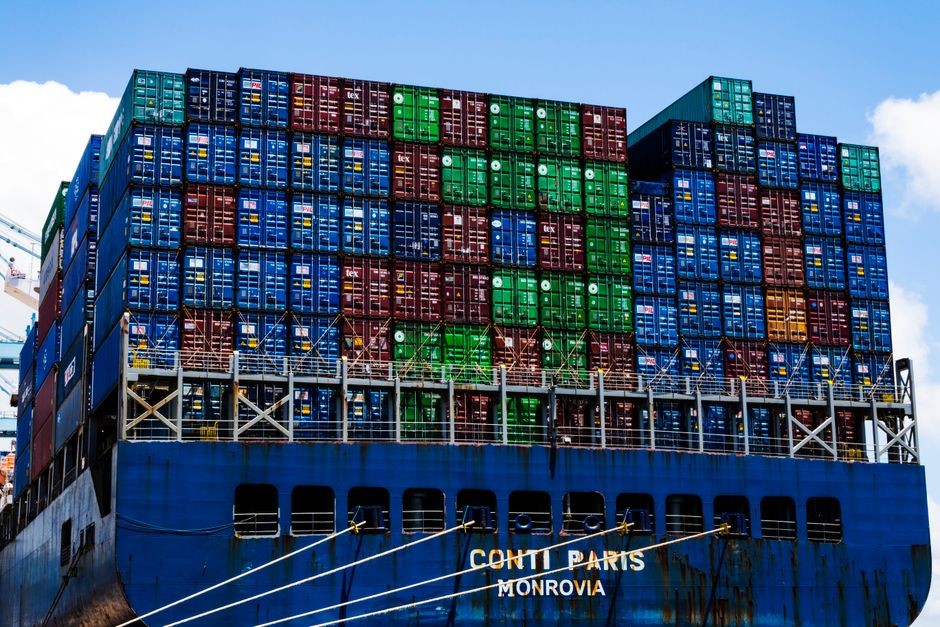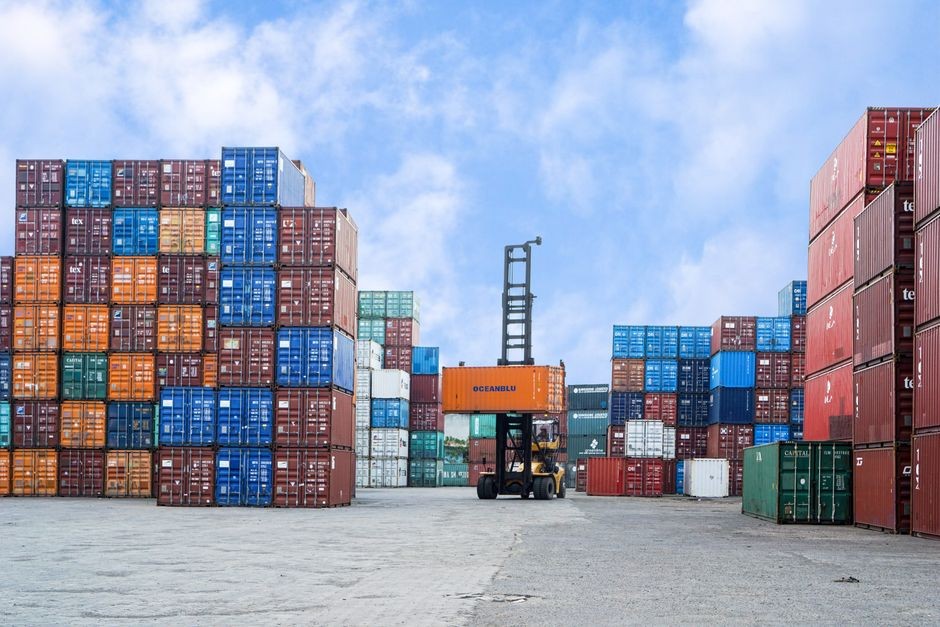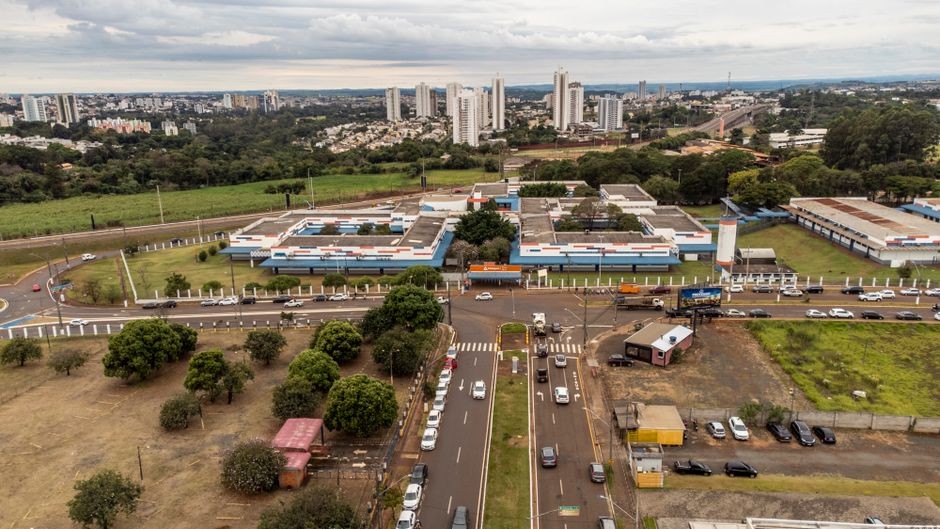
According to portalbenews.com.br, Brazil’s port sector moves approximately 95% of the country’s exports, serving as a core economic engine — a figure cited from World Bank data. The upcoming Sul Export 2025 forum, scheduled for 28 and 29 of the month in Porto Alegre, will spotlight legislative updates including a new port-sector legal framework expected to begin congressional review before the event.
Port Sector’s Strategic Role and Export Dependence
The Brazilian port system underpins national trade integration, with major hubs including Santos, Paranaguá, and Suape connecting the country to global logistics and commercial supply chains. As noted by Fábio Silveira, partner-director at Gallotti Advogados Associados and legal consultant to the Brazilian Association of Port and Inland Waterway Entities (Abeph), this infrastructure is vital for lowering operational costs and strengthening Brazil’s position within international supply networks.
The sector’s centrality is underscored by its responsibility for moving 95% of all Brazilian exports — a stat repeated across multiple source passages and attributed directly to World Bank data. With Brazil’s extensive and strategically positioned coastline, port modernization has become inseparable from broader competitiveness goals, especially amid accelerating global logistics upgrades.
Judicial bottlenecks further complicate progress: litigation over authorizations, lease agreements, and tariff regulation represents a key obstacle. According to the source, such judicialization impedes timely implementation of reforms needed to align domestic port governance with evolving international standards.
Sul Export 2025 and Legislative Momentum
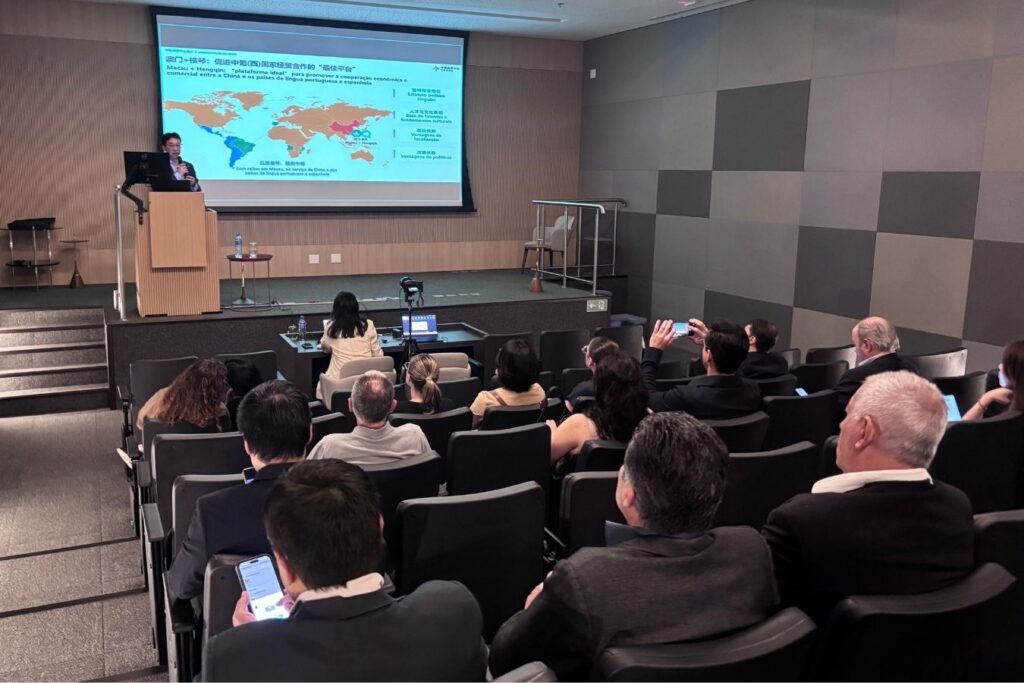
The National Council of Brasil Export convened on 16 in Brasília (DF) to finalize agenda items for Sul Export 2025. Attendees included public and private stakeholders, as well as ministers from the Superior Labor Court (TST). The forum’s program emphasizes logistical challenges specific to Brazil’s Southern Region and ongoing legislative developments — particularly the draft port-sector legal framework slated for introduction in the National Congress before the event.
Fabricio Julião, CEO of Grupo Brasil Export, reaffirmed the forum’s commitment to advancing technically grounded, legislatively informed dialogue during the council meeting. Peel — referenced without full title or affiliation in the source — is expected to present anticipated advances under the new legislation at the forum.
A keynote address by Supreme Federal Court (STF) Minister André Mendonça is scheduled for the morning of 28, preceding the official opening ceremony. His participation signals high-level institutional attention to the legal and regulatory dimensions of port-sector reform.
Source: portalbenews.com.br
Compiled from international media by the SCI.AI editorial team.