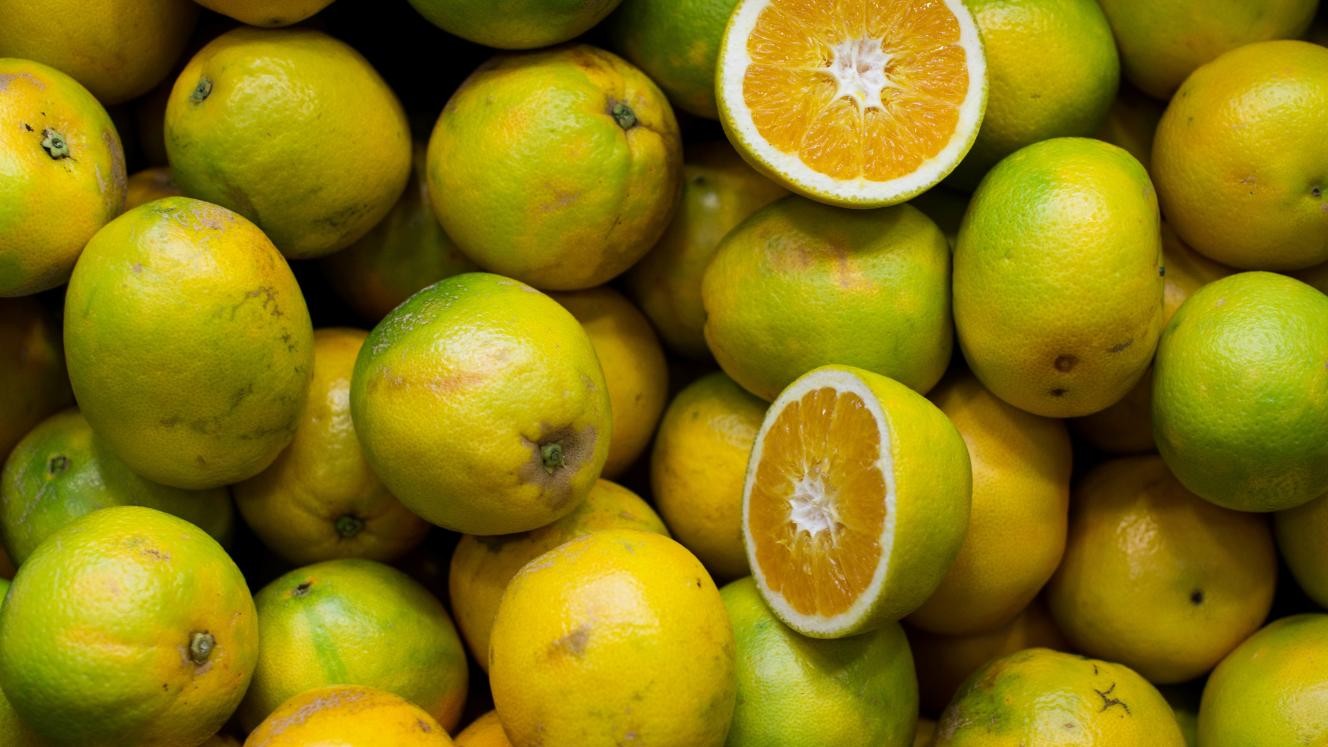
According to www.freightnews.co.za, Southern Africa’s citrus export forecast has been reduced by 5.5% for the 2026 season amid compounding disruptions.
Revised Forecast and Volume Impact
The Citrus Growers’ Association of Southern Africa (CGA) lowered its projection from an initial 209.4 million to 197.9 million 15kg cartons — a reduction of 11.5 million cartons. This adjustment reflects simultaneous pressures across trade, logistics, and production systems. The CGA attributed the cut to conflict in the Middle East, weakened demand in key markets, severe weather events, and persistent port delays.
The association confirmed that routes to Middle Eastern markets — which typically absorb 20% of the region’s citrus crop — have been closed due to regional conflict. Exporters have consequently redirected fruit to fewer destinations at a time when purchasing power has declined in several major import countries.
Port congestion has intensified pressure on an industry operating under tight seasonal constraints: large volumes of highly perishable fruit must clear customs, be loaded, and shipped within a narrow export window. Delays risk spoilage, revenue loss, and contractual penalties — especially as shipping and input costs rise.
Weather Damage and Production Resilience
Heavy rainfall in Limpopo and Mpumalanga provinces, alongside flooding in the Western and Eastern Cape, damaged infrastructure and orchards. According to the CGA, some orchards were destroyed outright. These localized impacts compound systemic risks rather than offsetting them, as the 2026 season faces overlapping shocks.
Despite the downward revision, the CGA emphasized that citrus production remains on the industry’s long-term growth trajectory. However, it warned that higher output increases exposure to market-access barriers, logistical bottlenecks, and biosecurity threats — particularly pests and diseases that could trigger import bans.
The association called for sustained collaboration between industry stakeholders and government to resolve tariff-related impediments and plant-health requirements that hinder citrus exports. Improved international market access, it stated, is critical for this export-dependent sector.
Source: freightnews.co.za
Compiled from international media by the SCI.AI editorial team.