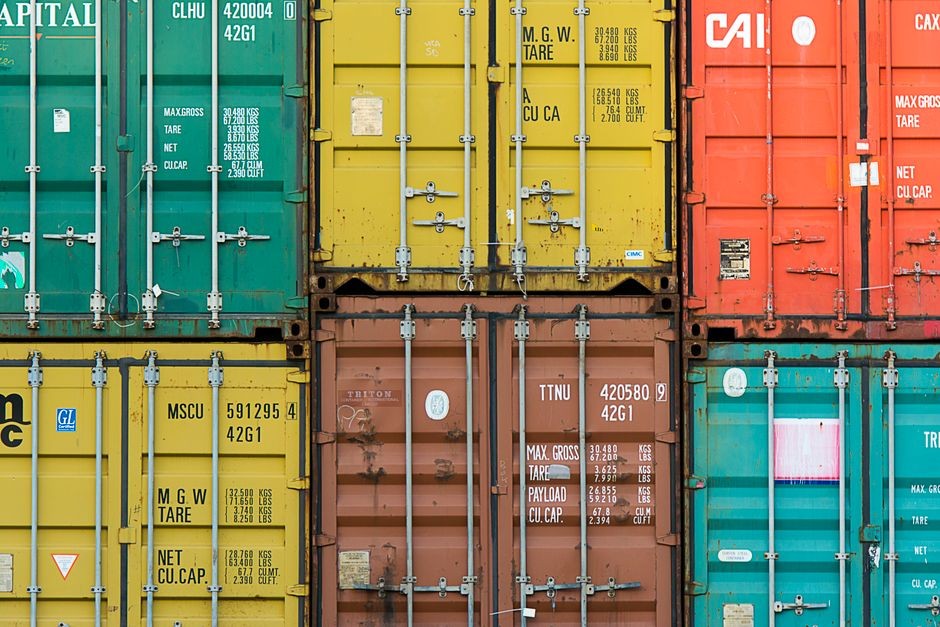
According to maritimegateway.com, India has launched the Container Manufacturing Assistance Scheme (CMAS), a Rs 10,000 crore initiative announced in the Union Budget 2026-27, designed to build domestic container manufacturing capacity and reduce reliance on imports.
Strategic Rationale Behind CMAS
The scheme responds to structural vulnerabilities exposed by recent global disruptions: geopolitical tensions, supply-chain interruptions, and shifting shipping routes have intensified freight-rate volatility and strained maritime transport networks, according to the United Nations Conference on Trade and Development (UNCTAD). With 80% of global merchandise trade by volume moving by sea, and containerised cargo representing nearly two-thirds of international trade value, efficient container logistics is foundational to resilient supply chains.
India’s expanding EXIM trade and rapid logistics development have not been matched by domestic container production. The country imports nearly 2 million empty containers annually for domestic use and repositioning — a dependency that leaves availability exposed to global market fluctuations and logistical shocks.
This import reliance directly undermines supply-chain resilience and contradicts national initiatives including Make in India, Maritime Amrit Kaal Vision 2047, and multimodal logistics development — all of which emphasize self-reliance in critical infrastructure.
Implementation and Capacity Targets
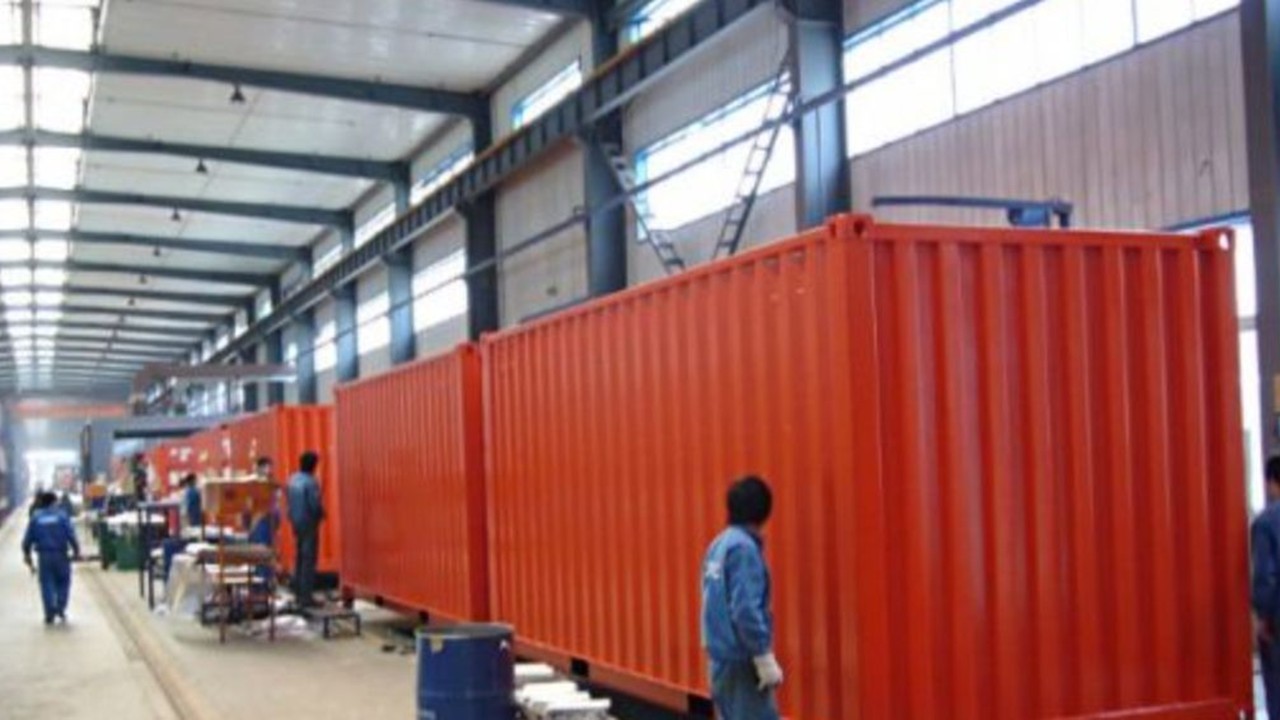
CMAS will operate over five years, delivering financial and institutional support to establish greenfield facilities, expand existing brownfield units, and upgrade testing infrastructure, skilling, and operational competitiveness. The scheme aims to scale India’s annual domestic container production capacity to approximately 7.5 lakh TEUs — a targeted increase intended to displace significant portions of the current import volume.
Capital assistance will be provided for new manufacturing facilities, while operational support will help domestic producers improve cost efficiency and technological readiness. The initiative explicitly links container manufacturing to broader maritime capability-building, positioning it as a pillar of India’s long-term trade competitiveness.
The Rs 10,000 crore outlay underscores the government’s prioritization of logistics sovereignty — aligning with global trends where nations are reinforcing domestic manufacturing of essential logistics assets amid heightened uncertainty.
Source: maritimegateway.com
Compiled from international media by the SCI.AI editorial team.