Skip to content

Southeast Asia Supply Chain

Citi raises Vietnam GDP growth forecast to 8%

Citibank has raised its gross domestic product growth forecast for Vietnam to around 8% for the year, following stronger-than-expected economic performance in the second quarter. The bank adjusted its forecast upward after Vietnam's GDP grew 8.5% year-on-year in the second quarter, accelerating from the 7.9% growth rate in the first quarter. Exports remain resilient, with the U.S. accounting for about 30% of total exports. Domestic demand has helped offset external pressures, though inflation remains a concern at 4.7% in June. Key risks include energy-price volatility and El Niño disruptions.

Original source: Source information pending

Citi raises Vietnam GDP growth forecast to 8%

According to e.vnexpress.net, Citibank has raised its gross domestic product growth forecast for Vietnam to around 8% for the year, following stronger-than-expected economic performance in the second quarter.

Accelerating Economic Performance

The revised outlook was presented at Citi’s economic outlook seminars for clients in Hanoi and Ho Chi Minh City on Aug. 11 and 12. The bank adjusted its forecast upward after Vietnam’s GDP grew 8.5% year-on-year in the second quarter. This acceleration marks a significant improvement from the 7.9% growth rate recorded in the first quarter.

The stronger performance prompted the financial institution to revise its full-year forecast. Previously, the bank had cut its projection to the low-7% range following an energy-price shock in March. The rapid upward revision highlights the economy’s ability to withstand initial external shocks.

Export Resilience and Supply Chain Integration

Exports have remained more resilient than expected, with the U.S. accounting for about 30% of Vietnam’s total exports. Electronics exports are benefiting from strong global investment in artificial intelligence and digital infrastructure.

Although exports to the U.S. have slowed from their 2025 peak, growth remains elevated. Trade with China has also strengthened. Vietnam’s exports of electronics and components to China have accelerated, while imports of electronic inputs, energy, and chemicals have increased.

This flux in trade flows reflects deeper integration into regional manufacturing and electronics supply chains. The country continues to serve as a vital node in the broader Asian production network.

Domestic Demand and Inflation Concerns

Domestic demand has helped offset external and energy-related pressures. Real retail sales weakened in early Q2 as fuel prices rose but recovered as prices stabilized.

Public infrastructure investment remained strong, while construction-material production maintained double-digit growth despite moderating from Q1. However, inflation remains a concern. Consumer price inflation reached 4.7% year-on-year in June.

Citi expects inflation to have passed its peak following lower oil prices and government measures to stabilize fuel costs. Although it may remain above the 4.5% target in the near term, the upward pressure is expected to subside.

Outlook and Risks

“Vietnam continues to demonstrate impressive resilience in a volatile global environment. Its expanding trade relationships, deeper participation in global supply chains, and sustained investment in infrastructure provide a strong foundation for long-term growth,” Minh Ngo, Citi Country Officer and Banking Head for Vietnam, said.

“Through Citi’s global network and local capabilities, we remain committed to helping clients navigate changing market conditions, access international capital, and capture new cross-border opportunities,” Minh added.

Key downside risks include renewed energy-price volatility, weaker global demand, changing international trade conditions, and potential disruption to hydropower generation associated with El Niño. Nevertheless, Citi expects exports, investment, and domestic demand to continue supporting Vietnam’s economic growth through the rest of 2026.

Source: e.vnexpress.net

Compiled from international media by the SCI.AI editorial team.
Ask SCI.AI Finished reading? Continue with SCI.AI. Explore the related policy, route, company and historical context. Continue asking
ITL Logistics Showcases Green Supply Chain Solutions at VILOG 2026
Southeast Asia Supply Chain

ITL Logistics Showcases Green Supply Chain Solutions at VILOG 2026

ITL Logistics showcased integrated supply chain solutions at VILOG 2026, highlighting digital transformation and green logistics amidst Vietnam's booming trade sector. The exhibition attracted over 450 enterprises from 22 countries, reflecting the industry's shift toward smart and sustainable practices. With the country's import-export turnover reaching $659.58 billion in the first seven months of 2026, the logistics sector faces new demands for speed, transparency, and emission reduction. ITL addressed these challenges through symposiums on cold chain logistics and AI automation, while also investing in workforce safety through its driving competition initiative.

Prabowo targets minerals exchange by 2027
Southeast Asia Supply Chain

Prabowo targets minerals exchange by 2027

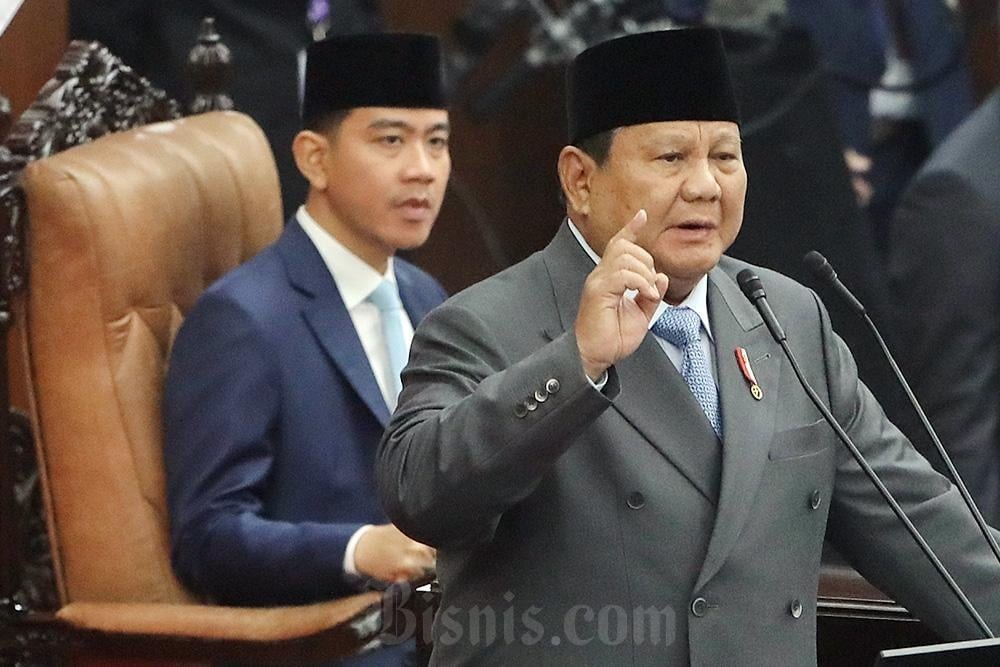
Indonesian President Prabowo Subianto addressed the nation on the critical need for economic self-reliance amidst intensifying global conflicts that are severely disrupting supply chains. Speaking at the joint session of the MPR and DPR in Jakarta on August 14, 2026, the President outlined the administration's strategy to protect the country from external shocks. Prabowo emphasized that despite the volatility in the global economy, the fundamental strength of the Indonesian economy remains intact. He attributed this resilience to the collective hard work of the nation and the sustained confidence the public places in the government's direction. The President highlighted specific financial data to illustrate the economy's robust performance during a period characterized by trade wars and open conflicts in Europe and the Middle East. According to the report, the realization of investments in Indonesia reached Rp1.931 trillion in 2025. This substantial figure serves as a testament to the country's ability to attract and maintain capital flows even when global conditions are unfavorable. Prabowo argued that the current geopolitical climate necessitates a shift away from reliance on foreign supply networks. He stated that the nation must be capable of standing on its own two feet to ensure survival if the international situation deteriorates further. To support this vision of national independence, the Prabowo administration has embarked on an aggressive legislative and regulatory agenda. The government has successfully enacted and executed 121 transformative policies within the first 21 months of the administration, which amounts to approximately 663 days in office. These policies are specifically designed to resolve long-standing national issues that previous administrations were unable to solve. The administration views these measures as essential for building a resilient economy that can withstand the pressures of global conflicts and supply chain disruptions. Looking ahead, the administration has set specific targets for the development of the minerals exchange, which is scheduled to begin operations on January 1, 2027. This initiative is part of the broader strategy to leverage Indonesia's vast natural resources for domestic industrial growth and to reduce dependency on foreign imports. The government also aims to boost the macroeconomic growth rate to 6% by 2027, supported by the synergy between the state-owned holding company Danantara and the broader enterprise sector. Additionally, the state-owned enterprise market is projected to grow by 30%, indicating strong confidence in the domestic industrial ecosystem.

Vietnam interbank rates drop, SCIC capital doubles
Southeast Asia Supply Chain

Vietnam interbank rates drop, SCIC capital doubles

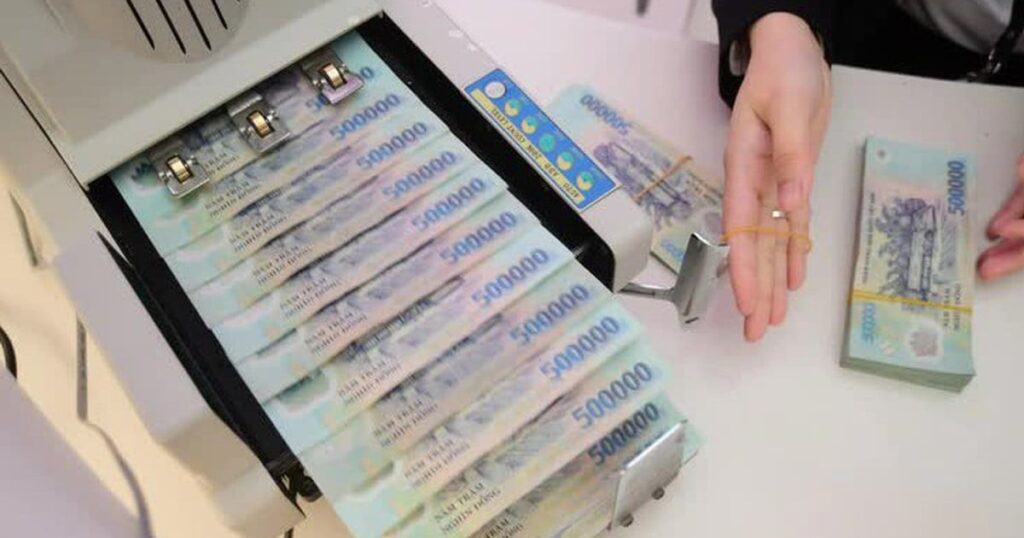
Vietnam's interbank interest rates declined on August 12, with the Vietnamese Dong overnight rate falling to 4.5 percent per annum and one-week rates settling at 5.2 percent. The State Capital Investment Corporation (SCIC) increased its charter capital by 163 percent, rising from 19 trillion to 50 trillion Vietnamese Dong, strengthening its financial position. Meanwhile, the Ho Chi Minh City Department of Health has issued strict directives prohibiting healthcare facilities from adding unauthorized tests and services beyond the standard package during the national health checkup program, aiming to protect citizens from extra charges and maintain the integrity of the free healthcare initiative.

Welcome Back!

Login to your account below

Create New Account!

Fill the forms below to register

Retrieve your password

Please enter your username or email address to reset your password.

Scan to share via WeChat

Open WeChat and scan the QR code to share

QR Code

Add New Playlist