Skip to content

Southeast Asia Supply Chain

Vietnam interbank rates drop, SCIC capital doubles

Vietnam's interbank interest rates declined on August 12, with the Vietnamese Dong overnight rate falling to 4.5 percent per annum and one-week rates settling at 5.2 percent. The State Capital Investment Corporation (SCIC) increased its charter capital by 163 percent, rising from 19 trillion to 50 trillion Vietnamese Dong, strengthening its financial position. Meanwhile, the Ho Chi Minh City Department of Health has issued strict directives prohibiting healthcare facilities from adding unauthorized tests and services beyond the standard package during the national health checkup program, aiming to protect citizens from extra charges and maintain the integrity of the free healthcare initiative.

Original source: Source information pending

Vietnam interbank rates drop, SCIC capital doubles

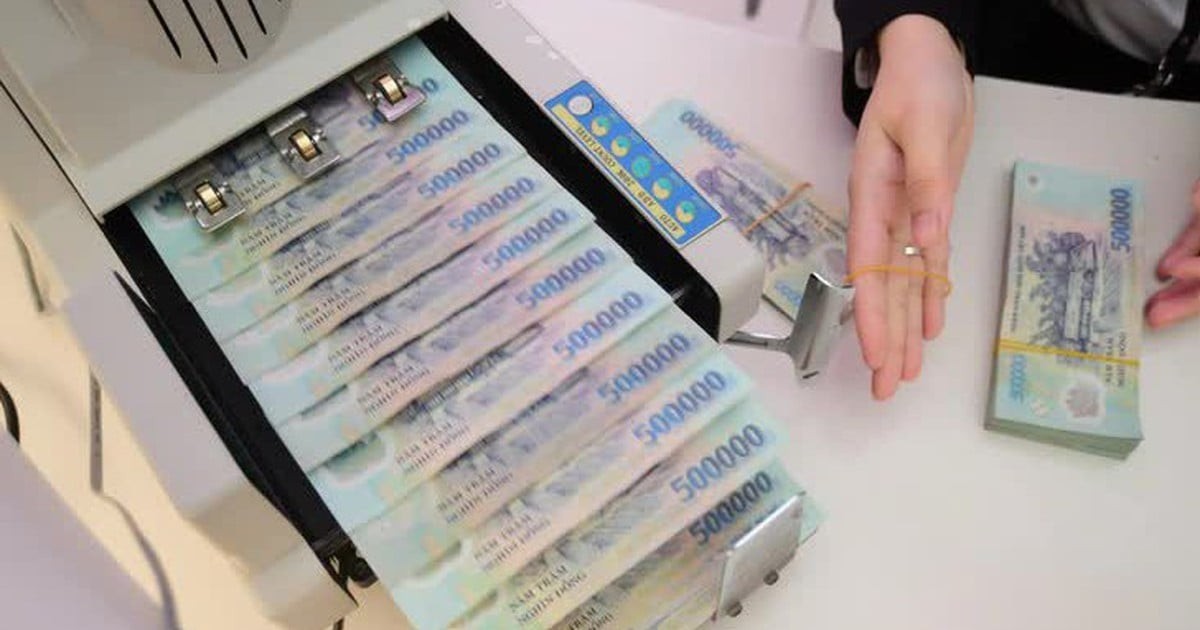
According to Vietnam.vn, Vietnam’s interbank interest rates declined across all monitored short-term tenors on August 12, signaling a cooling of the market after a prolonged period of high borrowing costs. The Vietnamese Dong (VND) overnight rate fell to 4.5 percent per annum, while the one-week rate settled at 5.2 percent.

The Market Research Association of Vietnam reported that the average interbank lending rate for the Vietnamese Dong decreased across all short-term tenors monitored on August 12, compared to the previous trading session. Specifically, the one-week tenor was recorded at 5.2 percent, the two-week tenor at 5.8 percent, and the one-month tenor at 6.5 percent.

This downward trend marks a significant shift in the VND interbank market, which had maintained elevated interest rates for an extended period prior to this adjustment. The continuous moderation in rates suggests a gradual easing of liquidity constraints within the domestic banking system, providing a more stable environment for short-term corporate funding and financial planning.

US Dollar Rates Show Minor Adjustments

Interest rates for the US Dollar (USD) experienced far less volatility compared to the Vietnamese Dong. The average interbank lending rate for the USD decreased by only 0.02 percentage points in both the overnight and one-month tenors, while the one-week and two-week tenors remained unchanged from the previous session.

At the close of trading, the USD overnight interbank rate stood at 3.65 percent per annum. The one-week tenor was recorded at 3.71 percent, the two-week tenor at 3.75 percent, and the one-month tenor at 3.81 percent. These figures indicate that the USD liquidity in the Vietnamese interbank market remained relatively stable, with only marginal corrections in the short-term borrowing costs.

SCIC Doubles Capital to 50 Trillion Dong

In a major corporate development, the State Capital Investment Corporation (SCIC) has increased its charter capital from 19 trillion Vietnamese Dong to 50 trillion Vietnamese Dong. This update was registered in the National Enterprise Registration Portal, confirming that the entire 50 trillion Vietnamese Dong charter capital belongs to the State, sourced from the state budget, and contributed in Vietnamese Dong.

The adjustment represents an increase of 31 trillion Vietnamese Dong, which corresponds to a growth of more than 163 percent compared to the previous capital level. This substantial capital injection strengthens the financial foundation of the state-owned investment entity, enhancing its capacity to manage state capital investments across various sectors of the Vietnamese economy.

According to financial reports, in the first half of 2026, SCIC recorded net revenue of nearly 5.1 billion Vietnamese Dong, which was an increase of approximately 10 percent compared to the same period in the previous year. Financial operating revenue reached 4,415 billion Vietnamese Dong, a decrease of 24 percent year-on-year. Despite this decline in operating revenue, net profit after tax achieved 7,650 billion Vietnamese Dong, showing an increase compared to the same period.

Health Ministry Probes Health Checkups

The Ho Chi Minh City Department of Health has issued directives to healthcare facilities to strictly adhere to regulations concerning the national health checkup program. Authorities have noted inconsistencies in prescription practices, with some facilities adding unauthorized tests and services beyond the standard package, which increases costs for citizens.

The department has requested that all healthcare facilities strictly follow the prescribed list of examinations and prohibit the arbitrary addition of tests or services outside the package to charge citizens extra fees under any guise. Furthermore, facilities are absolutely forbidden from integrating promotional activities, service introductions, or commercial communications into the health checkup process.

The directive emphasizes that medical staff must implement the correct list of examinations as regulated, ensuring that the program maintains its integrity and public trust. Health department directors are instructed to strengthen supervision and promptly correct any violations, ensuring the program is implemented uniformly and in accordance with its original objectives.

Digital Skills Training Launches in Binh Loi

The Standing Committee of the Vietnam Fatherland Front Committee in Ho Chi Minh City launched a digital skills popularization program in 2026, piloted in Binh Loi commune. This inaugural class marks the beginning of a series of 16 classes scheduled to be implemented across the city in August and September 2026.

The training session, which took place on August 13 and 14, 2026, was attended by approximately 100 students. The program aims to enhance digital literacy among the local population, providing essential skills for navigating the digital economy and accessing online government services.

Source: vietnam.vn

Compiled from international media by the SCI.AI editorial team.
Ask SCI.AI Finished reading? Continue with SCI.AI. Explore the related policy, route, company and historical context. Continue asking
ITL Logistics Showcases Green Supply Chain Solutions at VILOG 2026
Southeast Asia Supply Chain

ITL Logistics Showcases Green Supply Chain Solutions at VILOG 2026

ITL Logistics showcased integrated supply chain solutions at VILOG 2026, highlighting digital transformation and green logistics amidst Vietnam's booming trade sector. The exhibition attracted over 450 enterprises from 22 countries, reflecting the industry's shift toward smart and sustainable practices. With the country's import-export turnover reaching $659.58 billion in the first seven months of 2026, the logistics sector faces new demands for speed, transparency, and emission reduction. ITL addressed these challenges through symposiums on cold chain logistics and AI automation, while also investing in workforce safety through its driving competition initiative.

Prabowo targets minerals exchange by 2027
Southeast Asia Supply Chain

Prabowo targets minerals exchange by 2027

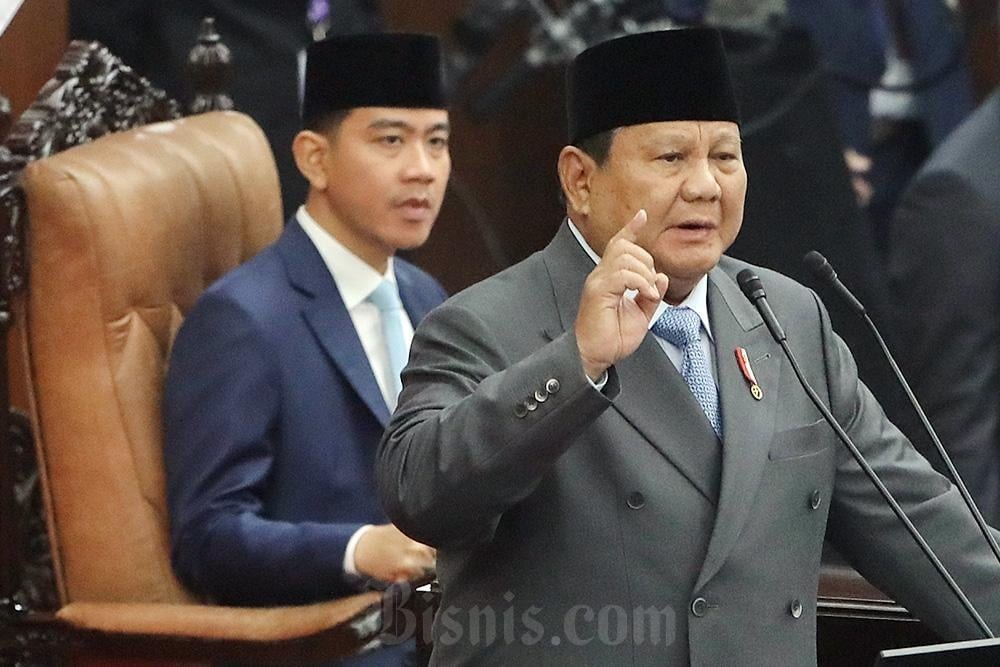
Indonesian President Prabowo Subianto addressed the nation on the critical need for economic self-reliance amidst intensifying global conflicts that are severely disrupting supply chains. Speaking at the joint session of the MPR and DPR in Jakarta on August 14, 2026, the President outlined the administration's strategy to protect the country from external shocks. Prabowo emphasized that despite the volatility in the global economy, the fundamental strength of the Indonesian economy remains intact. He attributed this resilience to the collective hard work of the nation and the sustained confidence the public places in the government's direction. The President highlighted specific financial data to illustrate the economy's robust performance during a period characterized by trade wars and open conflicts in Europe and the Middle East. According to the report, the realization of investments in Indonesia reached Rp1.931 trillion in 2025. This substantial figure serves as a testament to the country's ability to attract and maintain capital flows even when global conditions are unfavorable. Prabowo argued that the current geopolitical climate necessitates a shift away from reliance on foreign supply networks. He stated that the nation must be capable of standing on its own two feet to ensure survival if the international situation deteriorates further. To support this vision of national independence, the Prabowo administration has embarked on an aggressive legislative and regulatory agenda. The government has successfully enacted and executed 121 transformative policies within the first 21 months of the administration, which amounts to approximately 663 days in office. These policies are specifically designed to resolve long-standing national issues that previous administrations were unable to solve. The administration views these measures as essential for building a resilient economy that can withstand the pressures of global conflicts and supply chain disruptions. Looking ahead, the administration has set specific targets for the development of the minerals exchange, which is scheduled to begin operations on January 1, 2027. This initiative is part of the broader strategy to leverage Indonesia's vast natural resources for domestic industrial growth and to reduce dependency on foreign imports. The government also aims to boost the macroeconomic growth rate to 6% by 2027, supported by the synergy between the state-owned holding company Danantara and the broader enterprise sector. Additionally, the state-owned enterprise market is projected to grow by 30%, indicating strong confidence in the domestic industrial ecosystem.

Indonesian Manufacturing Exports Rise 7.37% in H1 2026
Southeast Asia Supply Chain

Indonesian Manufacturing Exports Rise 7.37% in H1 2026

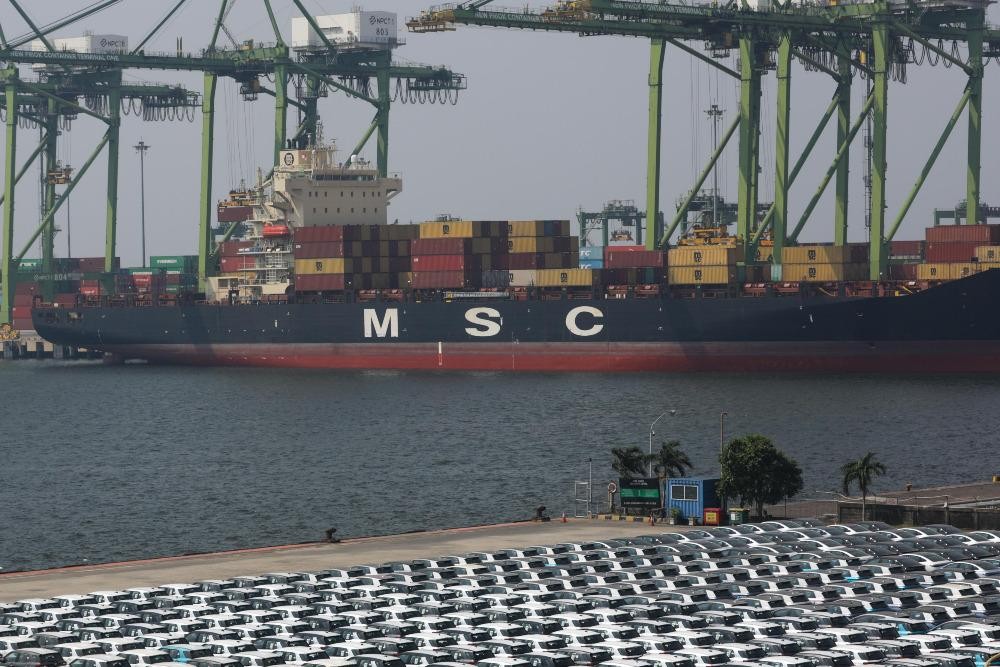
Indonesia’s manufacturing exports rose 7.37% in H1 2026, driving non-oil-and-gas export growth to US$134.58 billion — up 4.90% YoY. Processed nickel, CPO, and aluminum led gains. In June alone, manufacturing exports hit US$20.88 billion (85.6% of nonmigas total), buoyed by 69.30% YoY growth in nickel shipments. China remained the top destination (US$34.56 billion, +18.10%), followed by the US (US$15.82 billion) and India (US$9.25 billion), together capturing 44.31% of total nonmigas exports.

Welcome Back!

Login to your account below

Create New Account!

Fill the forms below to register

Retrieve your password

Please enter your username or email address to reset your password.

Scan to share via WeChat

Open WeChat and scan the QR code to share

QR Code

Add New Playlist