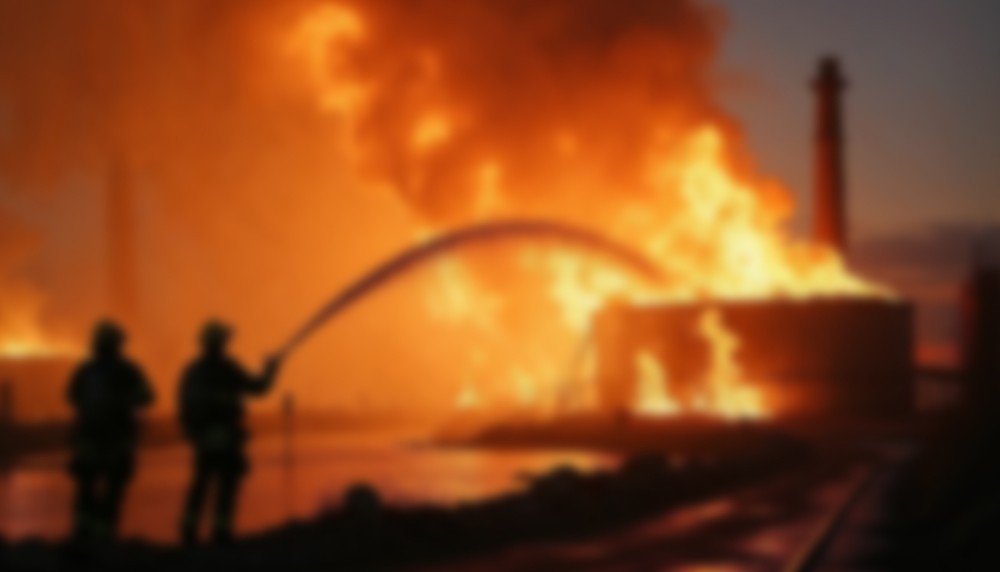
According to www.seafoodnews.com, a fire destroyed the Texas Gulf Seafood warehouse in Galveston, Texas, on Friday, August 7, 2026. The incident occurred without reported injuries but has halted operations at the facility, which serves as a key distribution node for Gulf Coast seafood across the U.S. domestic market.
Fire Damage and Immediate Response
Galveston Fire Department responded to the blaze shortly after midnight and declared the structure fully involved within 45 minutes. Firefighters worked for over six hours to contain the flames, with crews remaining on scene for additional structural assessment and hazardous materials screening. No fatalities or injuries were reported, per official statements from the Galveston County Emergency Management Office.
The warehouse — operated by Texas Gulf Seafood — was located at 2100 Seawall Boulevard in Galveston, a site previously used for cold storage and wholesale distribution of shrimp, oysters, and finfish harvested from the Gulf of Mexico. According to the report, the building housed approximately 12,000 square feet of refrigerated space and supported daily throughput of up to 8,500 pounds of fresh and frozen product.
Supply Chain Uncertainty
The destruction has disrupted inbound logistics for regional processors and outbound deliveries to restaurants, grocery chains, and foodservice distributors across Texas and the southeastern U.S. Texas Gulf Seafood confirmed it has activated contingency protocols, including rerouting shipments through its alternate facility in Houston, though that site lacks equivalent cold-storage capacity.
“We’re assessing every order individually and working with carriers to minimize delays,” said Marla Chen, Director of Logistics at Texas Gulf Seafood. “But this is not just about inventory loss — it’s about lost time, lost temperature integrity, and lost trust with partners who rely on our consistency.” The company declined to disclose estimated financial losses but noted that full operational recovery is unlikely before Q3 2026.
Industry analysts caution that ripple effects may extend beyond immediate customers. Galveston serves as one of only three certified USDA-inspected seafood processing hubs on the Texas Gulf Coast, and its temporary unavailability could delay federal export certifications for local harvesters seeking access to markets in the EU and Japan.
Broader Industry Context
This incident follows a string of infrastructure-related disruptions across U.S. seafood logistics in 2026: NOAA reported a 12% decline in Gulf Coast dock availability due to storm-related repairs since May; US Foods logged a 23% earnings growth in Q2 — partly attributed to strategic cold-chain investments amid rising volatility; and RealCold recently opened its new Colton Facility in California to expand cold-storage footprint, signaling sector-wide adaptation pressure.
Supply chain professionals emphasize that single-point dependencies remain a critical vulnerability. As noted in a recent Seafish study funded by a £1.4 million UK government grant, 68% of surveyed U.S. seafood distributors still rely on fewer than two primary warehousing locations — a risk factor amplified by climate-driven extreme weather events like Tropical Storm Bertha, which reduced the Gulf hypoxic zone earlier this summer but also strained port infrastructure.
For shippers managing perishable goods, the Galveston fire underscores the operational cost of delayed redundancy planning. With August 17 marking the opening of Louisiana’s 2026 Fall Inshore Shrimp Season — a period of peak volume — alternative cold storage capacity is already near capacity across the region.
Source: seafoodnews.com
Compiled from international media by the SCI.AI editorial team.