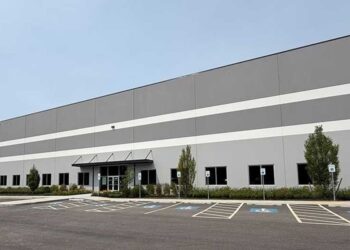
According to FreightWaves, Maersk will open a $100 million e-commerce fulfillment center in Hopedale, Massachusetts in late August 2026 to serve a single large-scale retail client.
High-capacity facility with regional impact
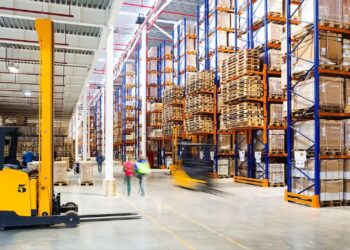
The 617,000-square-foot warehouse—located in a Boston suburb—features an advanced parcel conveyor and sortation system. At peak capacity, it is designed to process 330,000 parcels per day. By positioning inventory closer to end consumers, the facility aims to accelerate delivery timelines and improve reliability across the Northeast region.
The investment supports Maersk’s strategic pivot from traditional container shipping toward integrated supply chain services. The company plans to hire approximately 1,000 people to staff the Hopedale operation, reinforcing its local labor commitment and operational scale.
Strategic evolution beyond port-to-port
Maersk’s shift reflects a 15-year transformation—from a commoditized port-to-port carrier into an end-to-end provider of freight transportation, warehousing, and fulfillment solutions. This model consolidates customer logistics needs under one contract, strengthening long-term commercial relationships.
A pivotal step in that evolution was the 2021 acquisition of Salt Lake City–based Visible Supply Chain Management, a major U.S. e-commerce logistics provider with facilities nationwide. That purchase expanded Maersk’s domestic fulfillment footprint and technological capabilities, particularly in omnichannel order processing.
North American infrastructure scale
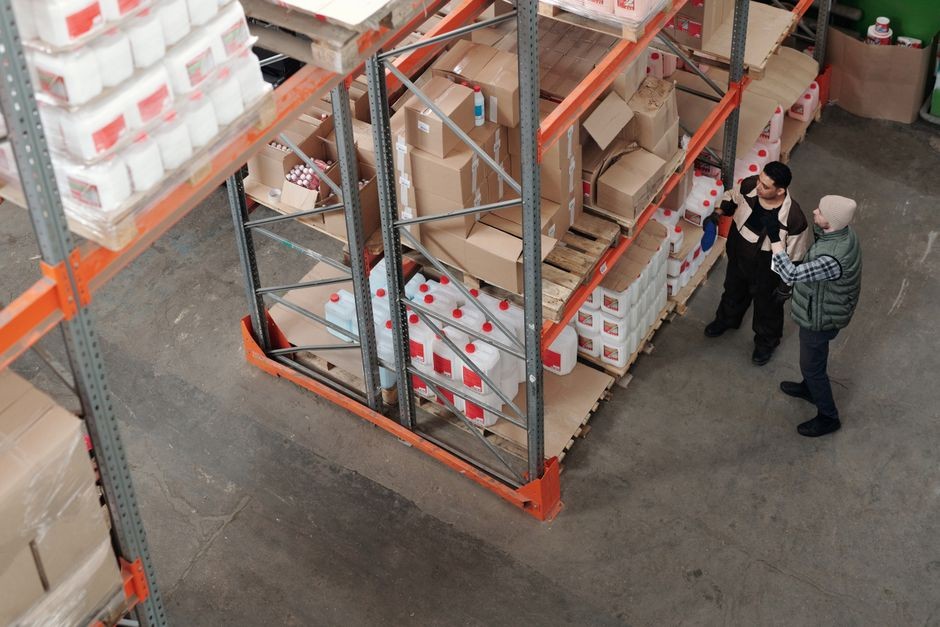
Across North America, Maersk currently manages more than 70 warehousing facilities. These locations support diverse functions including consolidation, deconsolidation, storage, distribution, and omnichannel fulfillment. Last-mile delivery relies on a hybrid network: Maersk leverages both national and regional carriers while deploying its own trucks where cost and service efficiency justify vertical integration.
The Boston center exemplifies Maersk’s targeted capital deployment—aligning infrastructure investment with high-growth e-commerce demand corridors. It also signals continued confidence in U.S. domestic logistics as a core growth pillar, distinct from its ocean freight business.
Source: FreightWaves
Compiled from international media by the SCI.AI editorial team.