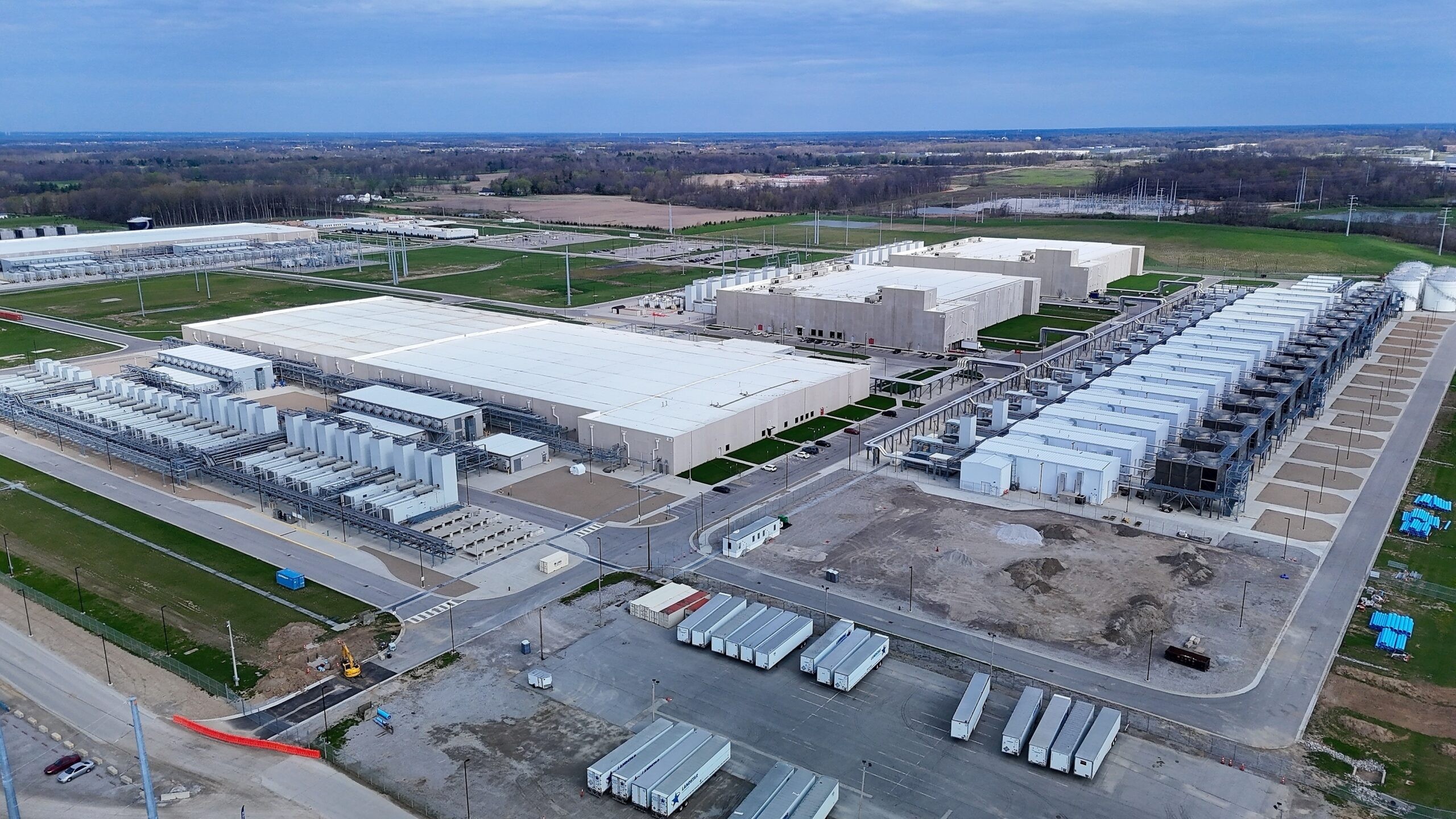
According to FreightWaves, the rapid expansion of artificial intelligence infrastructure is creating a new class of high-value cargo targets — including copper, processors, networking equipment, and memory modules — attracting organized criminal networks that exploit trust gaps in freight transactions.
AI infrastructure fuels theft incentives
Market researchers at S&P Global project that copper demand tied specifically to AI and data centers will more than double by 2040, increasing from 1.1 million metric tons in 2025 to 2.5 million metric tons. This growth reflects broader investment trends: technology companies are pouring hundreds of billions of dollars into data centers and computing capacity, straining supply chains and elevating the value of critical components. Additional forecasts suggest overall copper demand could rise by 50% over the same period as artificial intelligence, robotics, and electrification reshape global logistics networks.
Organized crime adapts to high-value cargo flows
Cargo thieves have historically targeted goods that are expensive, difficult to replace, and easy to resell — such as consumer electronics, cigarettes, and pharmaceuticals. AI infrastructure now fits that profile. Theft methods have evolved beyond smash-and-grab operations: organized groups increasingly use fictitious pickups, carrier impersonation, and fraudulent paperwork to infiltrate legitimate freight transactions. A recent federal indictment in the United States charged eight individuals for impersonating legitimate carriers across Pennsylvania, Virginia, and New Jersey. Prosecutors allege the group used stolen shipment information and fake dispatches to steal nearly $5 million in freight, including copper and other high-value commodities.
Risk management must evolve alongside AI supply chains
For shippers, carriers, and brokers, traditional verification protocols — such as checking carrier authority and insurance coverage — may no longer suffice when transporting AI infrastructure components. Companies may need stronger identity verification, secure document delivery systems, authenticated pickup procedures, and comprehensive audit trails showing who was verified, when, and how. As Phil Brink, Head of Fraud Media and Education at FreightWaves, notes, “The companies building the infrastructure for artificial intelligence are focused on the future. Transportation providers supporting that growth may need to spend equal time preparing for the threats that growth creates.”
Context and caveats
It remains important to contextualize the trend: AI-related cargo theft still represents a small subset of overall cargo theft activity. Consumer electronics, food, and household goods continue to account for the largest share of reported incidents. The rise in AI-linked theft may reflect the broader growth of data centers and increased movement of expensive commodities rather than a deliberate strategic pivot by criminals. However, historical patterns show cargo thieves consistently follow markets where value concentrates — and with AI infrastructure attracting investment at its current pace, there is little reason to believe criminal organizations will ignore the opportunity. Public reporting on cargo theft remains incomplete, and many incidents go unreported or are classified inconsistently across jurisdictions — yet available data indicates AI infrastructure is becoming an increasingly attractive target.
Source: FreightWaves
Compiled from international media by the SCI.AI editorial team.