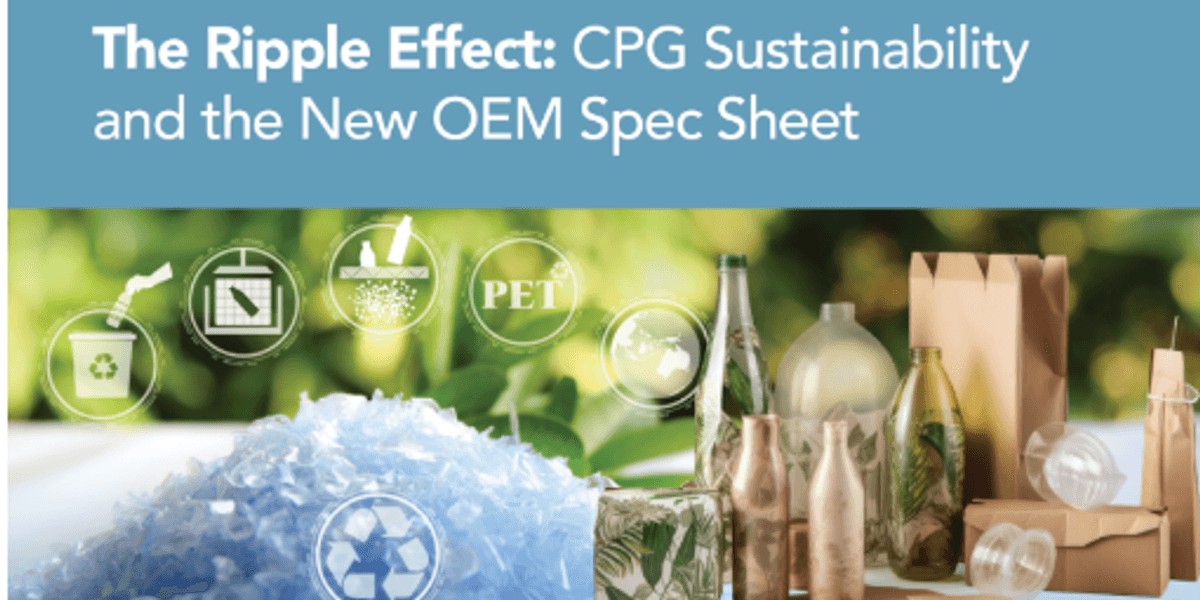
According to www.dcvelocity.com, sustainability imperatives are reshaping packaging automation equipment design, procurement, and operation across the consumer packaged goods (CPG) supply chain — with 82% of end users actively engaged in sustainability initiatives.
Sustainability Now Shapes Equipment Specifications
The report “The Ripple Effect: CPG Sustainability and the New OEM Spec Sheet”, produced by PMMI, The Association for Packaging and Processing Technologies, documents how environmental goals have moved from aspirational to operational drivers. It reveals that 64% of original equipment manufacturers (OEMs) confirm sustainability directly influences their equipment design decisions. More than half of end users report that current packaging machinery limitations hinder progress toward sustainability targets — indicating a critical gap between corporate commitments and technical capability.
Key functional shifts include demand for machines capable of handling lightweighted packaging formats, post-consumer recycled (PCR) materials, smaller pack sizes, and the elimination of secondary packaging. These requirements reflect tightening regulatory frameworks and brand-level pledges made under global ESG frameworks — particularly those tied to Extended Producer Responsibility (EPR) programs now active in the EU and expanding in North America.
Energy, Waste, and Compliance Drive Technical Upgrades
Beyond material compatibility, the report identifies three interlinked technical priorities emerging across OEM development roadmaps: energy efficiency, real-time waste reduction monitoring, and automated sustainability reporting functionality. Equipment vendors are increasingly embedding sensors and data interfaces to support Scope 3 emissions tracking — a requirement under the CSDDD directive and voluntary frameworks adopted by major CPG multinationals. According to the source, these features are no longer differentiators but baseline expectations for new capital purchases made in 2026.
For example, modular filler systems now integrate torque sensors calibrated for PCR-based film tensile variability, while case-packing robots deploy vision-guided adaptive grippers to handle irregularly shaped, low-weight containers without damage. Such adaptations require recalibration of motion control algorithms and tighter integration with enterprise resource planning (ERP) systems — a shift requiring cross-functional collaboration between packaging engineers, sustainability officers, and IT teams.
Supply Chain Implications for Operations Teams
From a practitioner perspective, the transition carries tangible operational consequences. Maintenance protocols must evolve to accommodate higher wear rates associated with abrasive PCR resins. Changeover times increase when switching between virgin and recycled material runs — demanding more flexible line configurations and standardized quick-change tooling. Training curricula now include modules on material traceability standards, carbon accounting methodologies, and regulatory compliance thresholds tied to specific geographies such as the EU and California.
Additionally, the report notes that 52% of co-packers surveyed reported delays in new product launches due to equipment validation bottlenecks related to sustainable packaging formats. This underscores how automation upgrades are no longer isolated capital projects but integral components of time-to-market strategies — especially for brands launching eco-labeled SKUs ahead of Q3 2026 regulatory deadlines.
Industry-Wide Alignment Challenges Remain
Despite strong alignment on intent, structural misalignments persist across the value chain. Component suppliers report inconsistent specifications from OEMs regarding PCR material tolerances — leading to duplicated testing and extended qualification cycles. Meanwhile, 71% of CPG respondents cited lack of interoperable data standards as a barrier to aggregating sustainability metrics across multi-vendor automation environments.
The report recommends standardizing machine-level sustainability KPIs — including kWh per unit packed, scrap rate per material type, and CO₂e per production hour — as a foundational step. It also calls for collaborative pilot programs among PMMI members to co-develop open-source firmware modules for energy optimization and waste tracking. Without such coordination, the industry risks fragmented solutions that increase total cost of ownership while failing to deliver verifiable environmental outcomes.
Source: DC Velocity
Compiled from international media by the SCI.AI editorial team.