According to www.thehindubusinessline.com, India’s livestock feed supply chain faces mounting pressure as climate-driven crop failures push feed import dependency to 45% — up from 32% five years ago — while domestic corn production fell by 12% in the 2023–24 growing season.
Climate shocks erode domestic feed grain output
Persistent heatwaves, erratic monsoon onset, and prolonged dry spells across key maize-growing states — including Karnataka, Maharashtra, and Madhya Pradesh — reduced national corn yields to 10.2 million tonnes in 2023–24, down from 11.6 million tonnes in 2022–23. The Indian Council of Agricultural Research (ICAR) confirmed that elevated temperatures during tasseling and grain-filling stages lowered kernel weight by an average of 18%. This shortfall directly impacted compound feed mills, which rely on corn for 55–60% of formulation volume.
Import reliance surges amid tariff adjustments
To offset the deficit, India increased imports of corn, soybean meal, and synthetic amino acids — with total feed ingredient imports reaching $2.1 billion in fiscal year 2023–24, a 22% increase year-on-year. The government responded by lowering the basic customs duty on non-GMO corn from 10% to 5% effective April 2024, while maintaining a 30% safeguard duty on soybean meal to protect domestic crushers. According to the Ministry of Commerce and Industry, these measures helped reduce landed cost premiums by ₹1,250 per tonne for imported corn.
Supply chain actors adapt operationally
Major feed manufacturers including Godrej Agrovet and Avanti Feeds have diversified sourcing across Brazil, Argentina, and Ukraine — shifting procurement timelines to align with Southern Hemisphere harvests. Godrej Agrovet’s Chief Operating Officer, Rajiv Sharma, stated:
“We now procure 40% of our corn during June–August instead of the traditional October–December window — a direct response to India’s shortened monsoon window and rising pre-harvest losses.” — Rajiv Sharma, COO, Godrej Agrovet
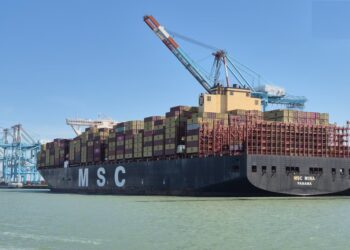
Avanti Feeds reported increasing its warehouse capacity at Visakhapatnam and Chennai ports by 35% to buffer against shipping delays caused by Red Sea disruptions and El Niño–linked Pacific port congestion.
Policy and infrastructure gaps persist
A 2024 assessment by NITI Aayog identified only 12% of India’s 18,000+ animal feed mills as fully compliant with FSSAI’s Feed Safety and Standards Regulations. Further, cold-chain infrastructure for vitamin- and enzyme-rich feed additives remains underdeveloped — with just 7% of rural feed retailers equipped with temperature-controlled storage. The report notes that feed spoilage rates exceed 23% in high-humidity regions such as Kerala and West Bengal, contributing to higher protein supplementation costs for dairy and poultry farms.
Source: thehindubusinessline.com
Compiled from international media by the SCI.AI editorial team.