Explore

  • Trending
  • Latest
  • Tools
  • Browse
  • AI Assistant
  • Subscription Feed

Logistics

  • Ocean
  • Air Cargo
  • Road & Rail
  • Warehousing
  • Last Mile

Regions

  • Southeast Asia
  • South Asia
  • Central Asia
  • Japan & Korea
  • Middle East
  • Europe
  • Russia
  • Africa
  • North America
  • Latin America
  • Australia
SCI.AI
  • Supply Chain
    • Strategy & Planning
    • Logistics & Transport
    • Manufacturing
    • Inventory & Fulfillment
  • Procurement
    • Strategic Sourcing
    • Supplier Management
    • Supply Chain Finance
  • Technology
    • AI & Automation
    • Robotics
    • Digital Platforms
  • Risk & Resilience
  • Sustainability
  • Research
  • Expert Columns
  • English
    • Chinese
    • English
No Result
View All Result
  • Login
  • Register
SCI.AI
No Result
View All Result
Home Sustainability ESG & Regulation

Google AI electricity up 37%; supply chain carbon up 25%

2026/07/05
in ESG & Regulation, Green Supply Chain, Sustainability
0 0
Google AI electricity up 37%; supply chain carbon up 25%

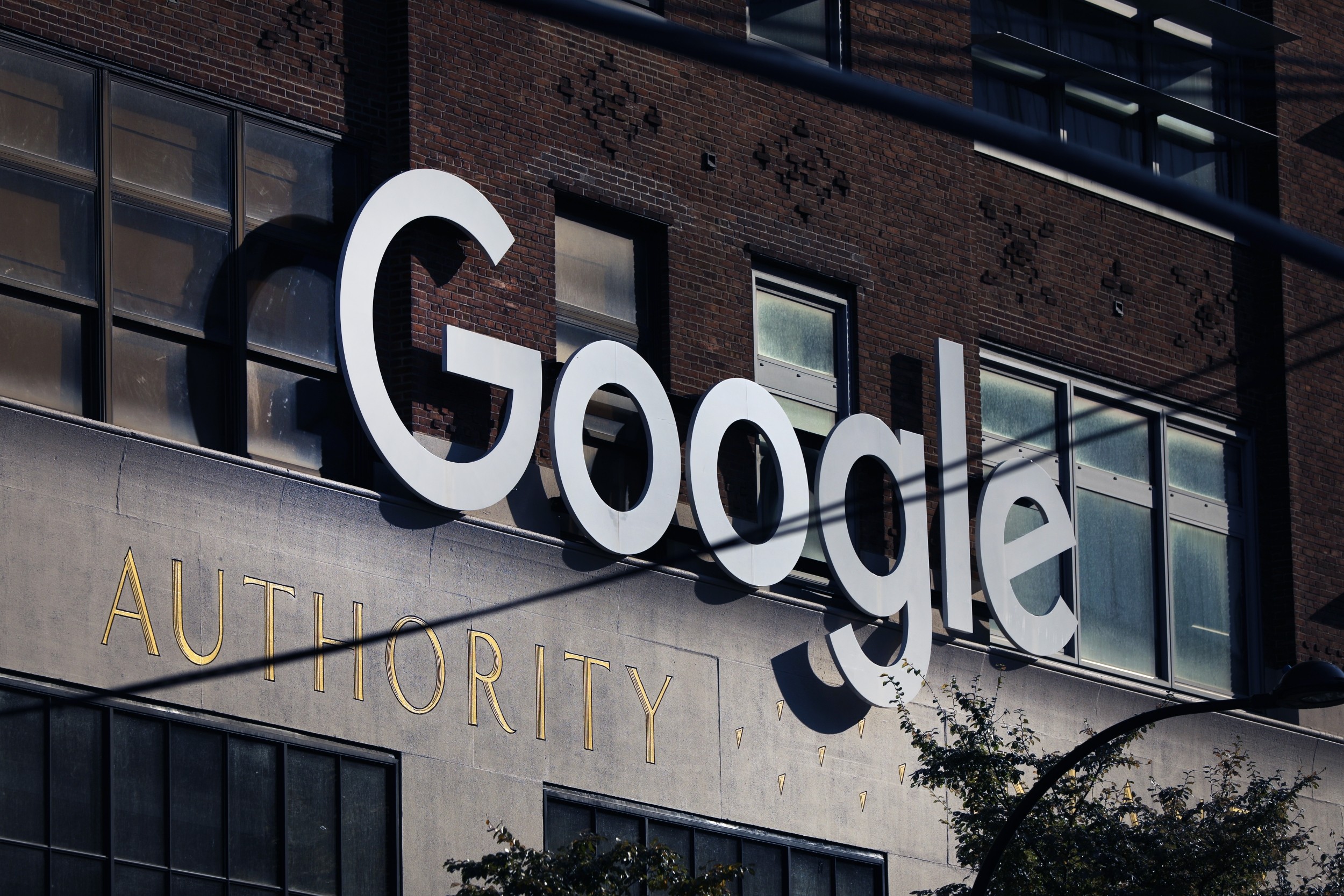
According to www.techtimes.com, Google’s AI infrastructure drove a 37% year-over-year increase in total electricity consumption in 2025 — the largest single-year jump in the company’s history — while its supply chain carbon emissions rose 25%.

Record Energy Demand and Physical Grid Reality

Google’s 2026 Environmental Report, published on June 30, 2026, confirms that its data centers consumed approximately 42 million megawatt-hours of electricity across 2025 — a volume comparable to New Zealand’s entire annual electricity use. This surge contributed to cumulative electricity growth of more than 250% since 2019. The report coincided with Amazon’s parallel sustainability disclosure, which recorded a 16% emissions increase for 2025 — marking the first side-by-side public accounting of AI’s planetary cost.

Although Google matched 100% of its electricity use with renewable energy certificates (RECs) for the ninth consecutive year — and reported a 2% decline in operational Scope 1 and Scope 2 emissions — the physical electrons powering its servers remain indistinguishable from fossil-fueled grid supply. As peer-reviewed research in Nature Climate Change concluded, this accounting method is “unlikely to result in actual emission reductions,” and under current trends, 42% of corporate emissions reduction commitments will not translate into real-world mitigation.

Scope 3: Where the Carbon Debt Accumulates

Under the Greenhouse Gas Protocol, Scope 3 emissions — covering upstream value chain activities including chip manufacturing, server production, and logistics — now constitute roughly 80% of Google’s total carbon footprint. These emissions grew 25% year-over-year in 2025, with data center construction alone contributing 2.3 million metric tons of carbon dioxide equivalent. Google’s total Scope 3 emissions have roughly doubled since its 2019 baseline.

The company explicitly attributes this growth to hardware manufacturing on fossil-heavy grids, naming semiconductor suppliers in Taiwan, Japan, Vietnam, and India. A REC purchased in Iowa or Texas cannot decarbonize the electricity used at a foundry thousands of miles away — a geographic and accounting disconnect that defines the structural gap in AI climate accountability.

Efficiency Gains vs. Aggregate Demand: The Jevons Paradox

Google has emphasized per-query efficiency: a technical paper from August 2025 estimated that the median Gemini text prompt uses just 0.24 watt-hours — a 44-fold improvement over the prior 12 months. Yet this efficiency has not reduced total load; it has accelerated adoption. As Google’s own data shows, electricity consumption rose 37% in 2025 even as per-prompt energy use plummeted — illustrating the Jevons paradox, where falling computational cost drives higher aggregate demand.

Water use follows the same pattern: operational water consumption climbed 34% to 10.9 billion gallons in 2025. In The Dalles, Oregon, Google’s water use quintupled between 2012 and 2025, reaching approximately 550 million gallons — about 40% of the city’s annual municipal supply.

Clean Energy Procurement: Scale and Structural Limits

Google signed agreements for more than 12 gigawatts of net-new clean energy in 2025 alone — its largest annual procurement ever and exceeding its combined total from the two preceding years. Projects included restarting Iowa’s 600-megawatt Duane Arnold nuclear plant with NextEra Energy, a 3-gigawatt hydropower framework with Brookfield, and a fusion energy power purchase agreement with Commonwealth Fusion Systems.

Despite a 37% electricity demand increase, Scope 1 and Scope 2 emissions fell 2% — a genuine engineering achievement. Yet the report candidly states: “our climate moonshot is getting harder.” That phrase reflects not projection but observed trajectory: the gap between AI infrastructure growth and grid decarbonization continues to widen. Sasha Luccioni, co-founder and chief scientific officer of the Sustainable AI Group, underscored the urgency:

“We’re essentially in a climate crisis and we should not be having emissions growth at all, arguably, and yet the data centers are going in the opposite direction.” — Sasha Luccioni, co-founder and chief scientific officer of Sustainable AI Group

Source: techtimes.com

Compiled from international media by the SCI.AI editorial team.

More on This Topic

  • India Launches 500-Block Critical Minerals Push, Targets 300M-Ton Steel by 2030 (Jul 5, 2026)
  • Truck driver steals $2.9M tungsten oxide using fake documents (Jul 4, 2026)
  • Google, Amazon carbon emissions rise 25%, 16% amid AI expansion (Jul 4, 2026)
  • CMA CGM nears $1.4 billion FedEx logistics unit acquisition (Jul 3, 2026)
  • 80% Tier-1 Suppliers Lack Sustainability Risk Processes (Jul 3, 2026)
ShareTweet

Related Posts

India Launches 500-Block Critical Minerals Push, Targets 300M-Ton Steel by 2030
ESG & Regulation

India Launches 500-Block Critical Minerals Push, Targets 300M-Ton Steel by 2030

July 5, 2026
1
Truck driver steals $2.9M tungsten oxide using fake documents
AI & Automation

Truck driver steals $2.9M tungsten oxide using fake documents

July 4, 2026
3
Google, Amazon carbon emissions rise 25%, 16% amid AI expansion
ESG & Regulation

Google, Amazon carbon emissions rise 25%, 16% amid AI expansion

July 4, 2026
5
CMA CGM nears $1.4 billion FedEx logistics unit acquisition
AI & Automation

CMA CGM nears $1.4 billion FedEx logistics unit acquisition

July 3, 2026
7
80% Tier-1 Suppliers Lack Sustainability Risk Processes
ESG & Regulation

80% Tier-1 Suppliers Lack Sustainability Risk Processes

July 3, 2026
6
MSC acquires 49% stake in Vizhinjam Port for $1.4bn
AI & Automation

MSC acquires 49% stake in Vizhinjam Port for $1.4bn

July 2, 2026
13

Leave a Reply Cancel reply

Your email address will not be published. Required fields are marked *

Recommended

A Paradigm Shift from Labs to Factories: How Toyota’s Investment in Seven Digit Humanoid Robots and RaaS Are Reshaping Supply Chain Automation

A Paradigm Shift from Labs to Factories: How Toyota’s Investment in Seven Digit Humanoid Robots and RaaS Are Reshaping Supply Chain Automation

24 Views
February 24, 2026
Gartner: AI supply chain roles up 387% since Q1 2023

Gartner: AI supply chain roles up 387% since Q1 2023

14 Views
June 18, 2026
Air Canada Cargo’s 4-Year Journey to CHAMP Cargospot Neo — The Loadstar

Air Canada Cargo’s 4-Year Journey to CHAMP Cargospot Neo — The Loadstar

18 Views
June 6, 2026
EU imposes €3 duty per parcel, ending de minimis exemption

EU imposes €3 duty per parcel, ending de minimis exemption

4 Views
July 3, 2026
Show More

SCI.AI

Global Supply Chain Intelligence. Delivering real-time news, analysis, and insights for supply chain professionals worldwide.

Categories

  • Supply Chain Management
  • Procurement
  • Technology


  • Risk & Resilience
  • Sustainability
  • Research

© 2026 SCI.AI. All rights reserved.

Powered by SCI.AI Intelligence Platform

Welcome Back!

Sign In with Facebook
Sign In with Google
Sign In with Linked In
OR

Login to your account below

Forgotten Password? Sign Up

Create New Account!

Sign Up with Facebook
Sign Up with Google
Sign Up with Linked In
OR

Fill the forms below to register

All fields are required. Log In

Retrieve your password

Please enter your username or email address to reset your password.

Log In

Scan to share via WeChat

Open WeChat and scan the QR code to share

QR Code

Add New Playlist

No Result
View All Result
  • Supply Chain
    • Strategy & Planning
    • Logistics & Transport
    • Manufacturing
    • Inventory & Fulfillment
  • Procurement
    • Strategic Sourcing
    • Supplier Management
    • Supply Chain Finance
  • Technology
    • AI & Automation
    • Robotics
    • Digital Platforms
  • Risk & Resilience
  • Sustainability
  • Research
  • Expert Columns
  • English
    • Chinese
    • English
  • Login
  • Sign Up

© 2026 SCI.AI