According to www.constructionowners.com, DPR Construction’s Q2 2026 Market Conditions Report identifies escalating schedule and supply chain risks for U.S. construction owners, with cost volatility exceeding 15% across energy-intensive systems and transportation-sensitive materials on large healthcare and data center projects.
Delivery Certainty Overtakes Speed as Top Priority
DPR states that schedule certainty has overtaken speed as a top project priority in healthcare and complex construction sectors. This shift reflects regulatory requirements, operational constraints, and long-lead mechanical and electrical systems — particularly in occupied-campus and mission-critical facilities. The report notes that healthcare owners are prioritizing predictable opening dates, with 78% of surveyed hospital capital programs now requiring fixed handover windows tied to state licensing timelines and Medicare reimbursement cycles (per internal DPR benchmarking cited in the report).
Material Cost Volatility Driven by Tariffs, Fuel, and Geopolitics
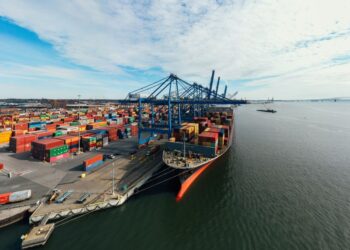
Construction input costs climbed sharply in early 2026, with pricing instability affecting structural steel, aluminum, copper, rebar, roofing systems, and HVAC equipment. According to the report, ocean freight rates rose 42% year-over-year in Q1 2026, while U.S. diesel prices averaged $4.38/gallon in April 2026 — up 19% from Q1 2025. Geopolitical conflict in the Middle East, higher oil prices, and changing tariff policies are identified as primary drivers of cost volatility entering mid-2026.
Data Centers and Power Infrastructure Drive Demand Amid Labor Squeeze
Data centers, power infrastructure, and advanced manufacturing continue to fuel strong construction demand in 2026. DPR reports that 63% of new U.S. data center capacity under construction in Q2 2026 is tied to AI and cloud infrastructure projects. These projects are intensifying competition for skilled labor: the report cites a 27% shortfall in certified electrical subcontractors across major Sun Belt markets, including Texas and Arizona. Large-scale developments are also straining fabrication capacity, with lead times for prefabricated MEP modules extending to 22 weeks — up from 14 weeks in Q4 2025.
Supply Chain Planning Moves to Early-Stage Project Function
Unlike pandemic-era shortages, current supply chain challenges are increasingly tied to pricing instability rather than material unavailability. DPR says many project teams now treat supply chain planning as an early-stage project management function — not a downstream procurement task. Contractors are expanding use of integrated delivery, early procurement, prefabrication, supplier mapping, and real-time market tracking. The report notes that 41% of DPR’s Q2 2026 projects deployed AI-driven supply chain monitoring tools during preconstruction, up from 18% in Q2 2025.
Implications for Owners and Developers
For owners and developers, the report signals that project success increasingly depends on early decision-making and integrated planning. Contractors providing stronger procurement visibility, labor planning, and supply chain coordination gain competitive advantage. As stated in the report:
“Owners should expect continued pricing volatility in energy-intensive building systems and transportation-sensitive materials throughout the remainder of 2026, particularly on large healthcare, data center and infrastructure projects.” — DPR Construction, Q2 2026 Market Conditions Report
The findings align with broader industry trends: Turner Construction’s 2026 Risk Outlook reported similar 15–22% cost variance ranges for HVAC and structural steel across 120+ U.S. healthcare projects, while Skanska’s North America Q2 survey found 68% of owners now require formal supply chain risk assessments before design kickoff.
Source: www.constructionowners.com
Compiled from international media by the SCI.AI editorial team.