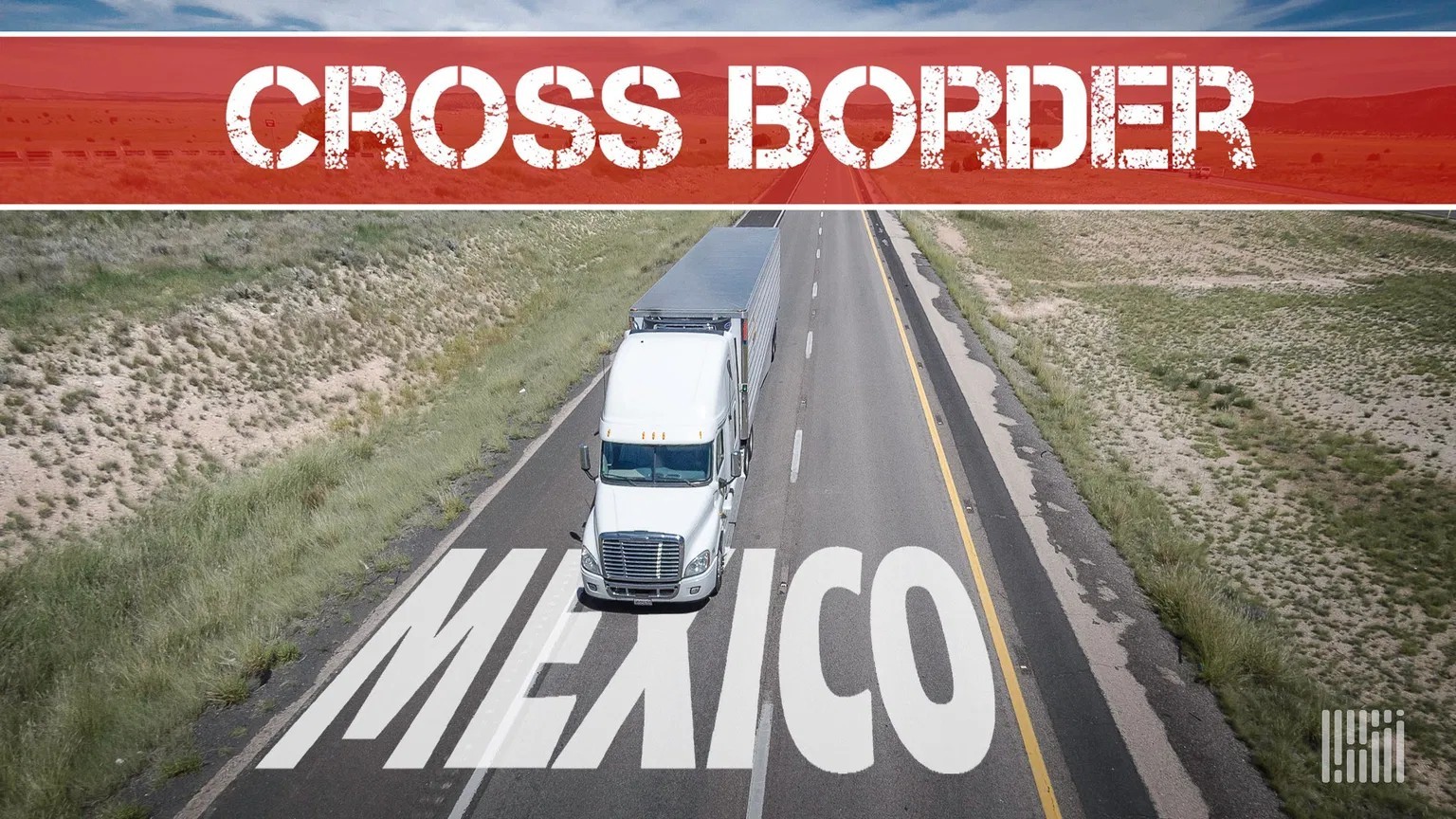
According to www.freightwaves.com, supply chain technology provider Desteia has launched Auto-MVE, an AI-powered platform that reduces Mexico customs declaration preparation time from over one hour to under five minutes per filing. The tool targets urgent compliance needs ahead of Mexico’s mandatory enforcement of the Manifestación de Valor Electrónica (MVE) requirements on June 1, 2026.
MVE enforcement shifts liability and raises stakes
Mexico’s MVE system requires importers to file an electronic customs value declaration for every shipment entering the country before clearance. Under the new enforcement regime effective June 1, 2026, errors in filings trigger fines and shipment delays — and crucially, liability now rests directly with the importer, not the customs broker. This represents a material operational and legal shift: brokers can no longer assume responsibility, leaving importers solely accountable for document accuracy.
Desteia estimates that 37% of current MVE declarations contain errors, primarily due to inconsistencies across supporting documents — including commercial invoices, bills of lading, certificates of origin, insurance records, and Carta Porte documentation. As Francois Lavertu, co-founder of Desteia, explained:
“The problem is not the submission itself. The problem is automatically extracting, grouping and comparing all the documents before they’re ready for submission.” — Francois Lavertu, co-founder of Desteia
AI built for cross-border document chaos
Desteia, founded in 2023, is a New York-based startup with operations in both the U.S. and Mexico. Its founding team includes former Tesla executive Lavertu, along with Stanford engineers Diego Solorzano and Austin Poor. The company’s core capability lies in using AI to extract and structure data from unstructured sources — emails, logistics messages, PDFs, and scanned documents — specifically for cross-border trade into Mexico.
Auto-MVE scans trade team inboxes, identifies relevant shipping documents, groups them into digital “pedimento bundles,” converts files into formats required by Mexico’s customs portal, checks for inter-document discrepancies, and retains submissions if the portal goes offline. As Lavertu emphasized:
“We don’t require anybody to change how they work. Everything’s automated and pulled from the systems they already use.” — Francois Lavertu, co-founder of Desteia
Real-world impact and sector-specific pressure
One early customer handling more than 5,000 annual import operations saved more than 50 hours of manual work during its first week using Auto-MVE. The platform was designed for large multinational importers — especially those in automotive, retail, consumer packaged goods, and manufacturing. The automotive sector faces acute pressure: every auto part imported into Mexico now requires its own MVE filing, making error tolerance near zero for just-in-time supply chains.
Lavertu noted growing market anxiety, citing nearly 600 signups within days for Desteia’s AI-focused MVE compliance webinar scheduled for May 27, 2026. He described the broader context as part of Mexico’s systematic push to digitize customs enforcement — a trend mirrored regionally: Colombia’s DIAN and Brazil’s SISCOMEX have similarly tightened electronic filing mandates over the past two years, with penalties rising up to 200% of declared value for repeated noncompliance. According to the World Bank’s 2025 Logistics Performance Index, Mexico ranks 58th globally for customs efficiency — lagging behind Chile (34th) and Costa Rica (49th) — underscoring the urgency of automation for nearshoring firms expanding operations across the U.S.-Mexico border.
Source: FreightWaves
Compiled from international media by the SCI.AI editorial team.