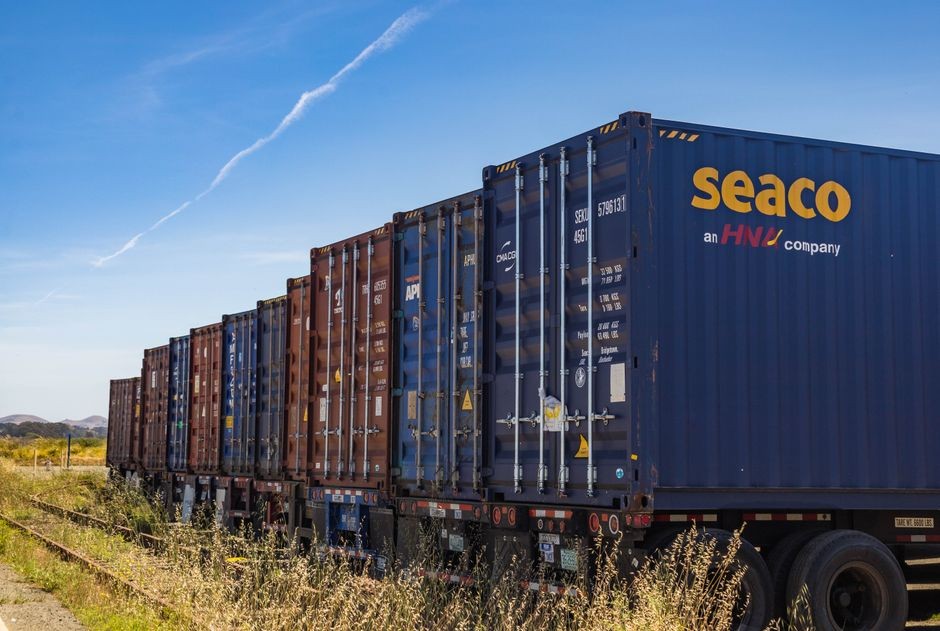
According to container-news.com, DHL has completed its first rail freight operation for Formula 1 logistics during the 2026 season — moving approximately 50 containers of race equipment by rail from Miami to Montreal, covering nearly 2,000 kilometers. The shipment consisted of 46 forty-foot high-cube containers and four 20-foot containers. This pilot marks a concrete step in DHL’s multimodal decarbonisation strategy with Formula 1, shifting 68% of cargo previously moved by road on this corridor to rail while meeting the sport’s exacting time windows.
Rail Integration Meets Time-Critical Demands
All containers arrived successfully and on time — a critical requirement given Formula 1’s tightly scheduled race calendar. To ensure integrity across the journey, DHL equipped every container with real-time tracking devices and shock sensors. The collected data will inform both sustainability assessments and operational scalability decisions. According to the report, the rail pilot is not an isolated experiment but part of a broader, coordinated effort between DHL and Formula 1 to reduce emissions across transport legs.
Decarbonisation Measures Across Modes
DHL’s North American rail trial complements other verified emission-reduction initiatives already deployed in European operations. The company reported that its European trucking fleet achieves an average 83% reduction in greenhouse gas emissions compared to conventional diesel trucks, enabled by biofuel-powered vehicles. Additionally, Sustainable Aviation Fuel (SAF) is being used for selected air cargo shipments supporting Formula 1 events. These measures align with publicly disclosed targets under the companies’ joint decarbonisation roadmap, which includes Scope 3 emissions tracking and modal shift KPIs.
Expansion Plans and Industry Context
DHL and Formula 1 are now evaluating the possibility of expanding rail freight use across North America starting with the 2027 season. This move follows similar multimodal shifts by major logistics providers: Maersk launched its Qilin service in May 2026 to strengthen Asia–North America rail–sea intermodal capacity, while MSC introduced the Ochna service targeting transcontinental rail integration in Europe and North America. In parallel, U.S. port infrastructure supports such transitions — the Gainesville port, for example, began daily rail service to Savannah in early 2026, reinforcing regional rail connectivity for time-sensitive freight. For supply chain professionals managing high-value, just-in-time motorsport logistics, the DHL pilot demonstrates how granular modal substitution — backed by sensor-based monitoring and quantified emissions data — can deliver both schedule reliability and measurable ESG outcomes without compromising performance.
“Introducing rail into our race-to-race logistics mix shows how established transport modes can support sustainability in a highly time-critical environment.” — Paul Fowler, Head of Global Motorsports Logistics at DHL Global Forwarding
Source: container-news.com
Compiled from international media by the SCI.AI editorial team.