According to www.scmp.com, Brazil’s labour ministry added Chinese electric vehicle giant BYD to a registry of employers found to have subjected workers to conditions analogous to slavery — a designation that restricts access to state financing and heightens reputational risk in BYD’s most important market outside China.
Three Critical Supply Chain Developments in Latin America
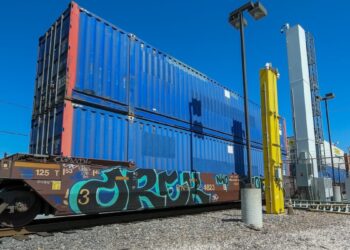
- Chile exposed a five-year smuggling ring that shipped US$917 million worth of stolen copper to China — described by authorities as one of the largest organised crime operations ever uncovered in the country.
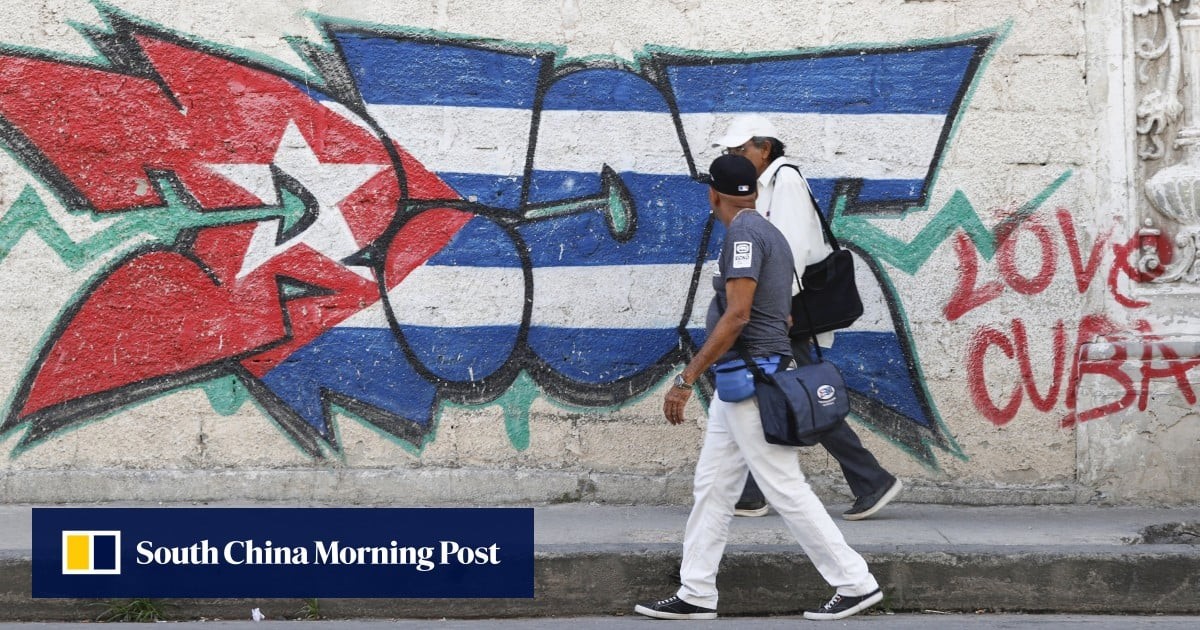
- China and Russia publicly rallied behind Cuba amid intensifying U.S. pressure, with Moscow’s deputy foreign minister concluding a visit to Havana and Beijing signalling its willingness to increase diplomatic backing for the island.
- Brazil blacklisted BYD under its national registry of employers using slave labour conditions — a move that directly impacts supply chain finance eligibility and third-party due diligence requirements across Latin America.
Operational Implications for Supply Chain Professionals
This trio of developments underscores mounting regulatory, reputational, and geopolitical pressures on global supply chains operating across Latin America. The Chilean copper case reveals how illicit material flows can infiltrate formal trade channels — requiring enhanced origin verification, supplier audits, and traceability systems for critical minerals. The Cuba-related diplomacy signals deepening Sino-Russian alignment in the region, potentially affecting sanctions compliance protocols and dual-use technology controls. Most concretely, BYD’s inclusion on Brazil’s forced labour registry triggers mandatory supply chain disclosures under Brazil’s Lei de Trabalho Escravo (Law No. 13,429/2017), which mandates tiered due diligence for all entities accessing public credit or participating in government procurement. Practitioners must now assess exposure not only within direct operations but across contract manufacturing, logistics partners, and raw material suppliers — especially where jurisdictional enforcement overlaps, such as in lithium, cobalt, and copper value chains spanning Chile, Brazil, and Argentina.
Background Context
Brazil’s ‘Dirty List’ (Lista Suja do Trabalho Escravo) has existed since 2003 and is administered by the Ministry of Labour and Employment. Inclusion remains publicly accessible for two years and carries automatic restrictions on federal loans and tax incentives. BYD’s listing marks the first time a major Chinese EV manufacturer has been named on the list — following earlier entries of Brazilian agribusiness firms and construction contractors. Globally, similar mechanisms exist under the U.S. Trafficking Victims Protection Act and the EU’s upcoming Corporate Sustainability Due Diligence Directive (CSDDD), though Brazil’s registry predates both and operates with domestic legal force. According to the report, the designation applies specifically to conditions found at certain BYD-affiliated facilities in Brazil — not globally.
Source: South China Morning Post
Compiled from international media by the SCI.AI editorial team.