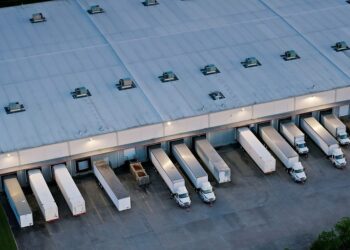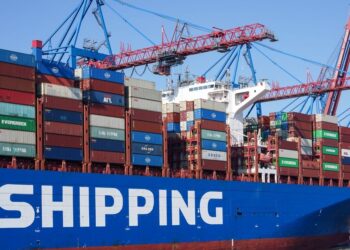
According to www.system-alliance.eu, logistics companies across Europe face a wave of binding regulatory, environmental, and technological changes effective in 2026 — with direct implications for cost structures, operational compliance, and strategic planning.
CO₂-Based Road Freight Regulations
In 2026, the EU directive extends and differentiates the CO₂-based truck toll across member states. Dirtier trucks will incur higher tolls, while clean vehicles receive discounts — resulting in a graduated toll system. Germany introduces new CO₂ classes, and zero-emission trucks will pay only 25% of infrastructure costs starting in 2026. The CO₂ tax rises to €55–65 per ton. The Netherlands will implement a separate CO₂ toll system focused specifically on emissions. Additionally, commercial vehicles weighing 2.5 to 3.5 tons engaged in cross-border transport must be equipped with smart tachographs, which automatically record driving and rest times — significantly tightening control and documentation requirements.
Sustainability as a Measurable Business Factor
Sustainability is no longer optional: expanded ESG and CO₂ reporting obligations now require logistics firms to measure emissions across the entire supply chain. Inadequate or missing data may lead to exclusion from tenders. Concurrently, the European Packaging and Packaging Waste Regulation (PPWR) enters force, mandating reductions in packaging material and prioritizing recyclability — directly impacting logistics service providers involved in packaging and shipping concept design.
The EU AI Act Enters Full Force
From 2026, the EU Artificial Intelligence Act applies comprehensively to logistics operations on a risk-based framework. High-risk AI applications — including route and fleet optimization, autonomous vehicles, security systems, and employee analysis tools — are subject to strict obligations: mandatory risk assessments, technical documentation, transparent decision-making logic, human oversight, and, in some cases, registration and reporting. Violations carry heavy fines and threaten market access. As stated by System Alliance Europe:
“In 2026, AI compliance will thus evolve from an IT issue to a strategic factor for Europe’s logistics companies.”
Structural Pressures and Strategic Response
A persistent shortage of qualified drivers and logistics specialists continues across Europe. Automation and AI offer partial relief but cannot fully offset personnel gaps. With constrained transport capacity and elevated energy, personnel, and CO₂ costs, freight rates are expected to remain stable or rise. Against this backdrop, System Alliance Europe emphasizes that progress does not require reinvention:
“No one needs to reinvent the wheel or pay for expensive consultants. Progress is much easier and faster when existing tools and standardized processes are used…”
- More regulation and higher compliance requirements
- Sustainability as a measurable cost and competitive factor
- Digitalization as an indispensable basis for efficient processes
Source: www.system-alliance.eu
Compiled from international media by the SCI.AI editorial team.