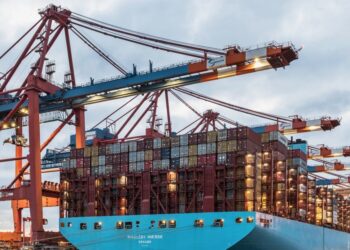
According to impactwealth.org, global trade grew by $2.5 trillion in 2025, reaching $35 trillion, per UN Trade and Development (UNCTAD). Yet the outlook is increasingly fragile — with disruptions intensifying across shipping lanes, energy markets, and policy regimes in 2026.
Root Causes of 2026 Trade Volatility
Geopolitical tensions are central drivers. The U.S.–China trade decoupling continues to reshape supply chains and tariffs, while the 2026 Strait of Hormuz crisis has disrupted oil and container shipments, spiking logistics costs and war-risk insurance premiums. Shipping bottlenecks — particularly through the Strait of Hormuz and the Suez Canal — have pushed freight rates up +55–100%. Rerouting vessels via the Cape of Good Hope adds up to 64% longer voyages, inflating fuel and insurance expenses.
Sector-Specific Impacts
- Container Shipping: +55–100% freight rates; reduced capacity
- Energy (Oil & LNG): Supply volatility; price spikes
- Electronics: Delays in semiconductors and components
- Automotive: Production slowdowns; cost increases
- Commodities: Rising transportation and storage costs
Strategic Implications for Supply Chain Professionals
For practitioners, these developments signal an urgent need to reassess supplier concentration, inventory buffers, and multimodal routing options. The “China+1” strategy, reshoring initiatives, and infrastructure investment are no longer optional — they’re operational imperatives. Logistics resilience has become a core corporate risk metric, directly influencing credit assessments, procurement terms, and ESG-aligned financing. As freight volatility persists, professionals must prioritize real-time visibility tools, dual-sourcing protocols, and dynamic contract clauses tied to tariff or insurance cost triggers. Diversification across regions — especially leveraging emerging markets as trade connectors — offers both risk mitigation and growth leverage.
Source: impactwealth.org
Compiled from international media by the SCI.AI editorial team.