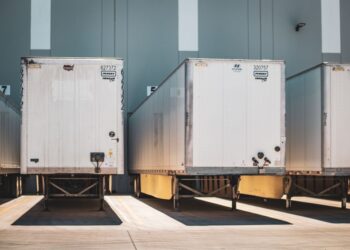
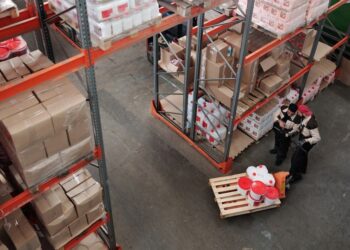
According to nationaltoday.com, companies are shifting logistics infrastructure to the United States—particularly East Coast distribution hubs—to mitigate risks tied to ongoing geopolitical tensions in the Middle East and disruptions to the Strait of Hormuz, a critical maritime route for global oil exports.
Rising Costs and Operational Adjustments
Disruptions in the Strait of Hormuz are already affecting fuel prices, marine insurance premiums, and international shipping costs. These pressures are prompting businesses to store inventory closer to major U.S. consumer markets—especially near East Coast ports—to reduce dependency on volatile international shipping lanes. The source states that such regional positioning improves delivery speed, lowers exposure to fuel price fluctuations, and enhances overall supply chain predictability.
New Jersey Emerges as a Key Logistics Hub
Companies are increasingly partnering with U.S.-based third-party logistics (3PL) providers to stabilize operations. According to the report, warehouses in New Jersey have become a popular logistics hub for clients from New York and neighboring states. This shift enables cost optimization, faster fulfillment, and greater flexibility during periods of global instability.
Expert Perspective: Infrastructure, Not Just Location
Alex Zhytienov, a logistics expert from ARDI Express—a 3PL provider operating a warehouse in New Jersey—emphasizes the strategic necessity of domestic infrastructure:
“Strategically located U.S. warehouses are becoming essential infrastructure for companies selling into the American market, and order fulfillment in New Jersey is becoming extremely popular among their clients.” — Alex Zhytienov, Logistics Expert, ARDI Express
He adds:
“A distribution point on the East Coast allows importers to shorten transit times, reduce exposure to fuel price fluctuations, and improve supply chain predictability.” — Alex Zhytienov, Logistics Expert, ARDI Express
Industry Context and Practitioner Implications
This trend reflects a broader, empirically observed movement toward distributed inventory models as a resilience strategy. Unlike centralized offshore warehousing, regional U.S. stockpiling allows firms to maintain consistent fulfillment performance even amid oil price volatility or extended maritime delays. For supply chain professionals, this means reassessing inventory placement policies, renegotiating 3PL contracts with geographic specificity, and stress-testing network designs against prolonged chokepoint disruptions—not just short-term port congestion. While not cited in the source, industry-wide adoption of similar strategies has been documented among retailers and manufacturers responding to Red Sea shipping diversions since late 2023 and Panama Canal drought constraints in 2024. The shift does not signal full reshoring but rather tactical nearshoring focused on high-velocity SKUs and time-sensitive categories.
Source: nationaltoday.com
Compiled from international media by the SCI.AI editorial team.