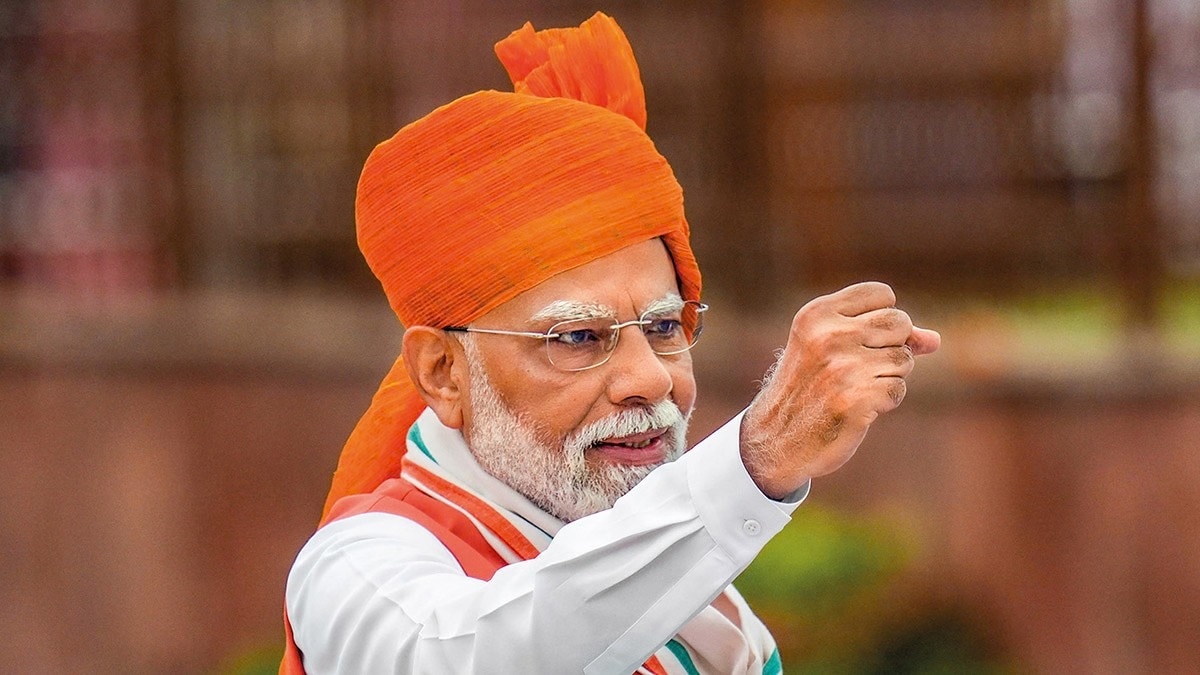
According to www.indiatoday.in, on March 10, 2026, the Union cabinet chaired by Prime Minister Narendra Modi approved amendments to foreign direct investment (FDI) guidelines for countries sharing land borders with India—including China, Pakistan, Nepal, Bhutan, Myanmar, and Bangladesh.
New Thresholds and Timelines
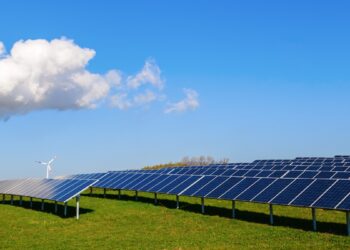
Under the revised norms, investors from these countries with non-controlling beneficial ownership of up to 10 per cent may now invest in specified critical sectors—including manufacturing of capital goods, electronic components, solar cells, polysilicon, and ingot-wafer—via the automatic route, subject to mandatory reporting requirements. Proposals falling outside this threshold or in sensitive subsectors will still require government approval, with a commitment to decide such cases within 60 days.
Strategic Rationale and Trade Context
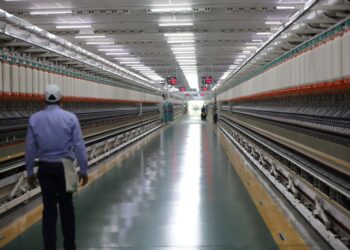
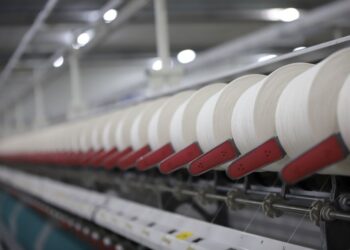
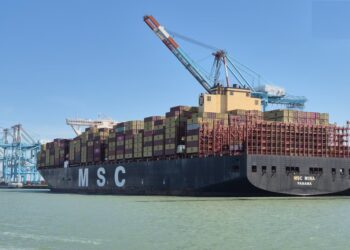
The cabinet communique states the reforms aim to unlock greater FDI inflows—particularly for startups and deep-tech firms—to accelerate ease of doing business and help Indian companies access technology and integrate with global supply chains more quickly. This recalibration occurs amid persisting structural dependencies: India-China trade reached $136 billion in 2024, with imports alone exceeding $100 billion and a trade deficit of nearly $85 billion. Critical inputs—including electronics components, solar cells, active pharmaceutical ingredients, specialty chemicals, and industrial machinery—remain heavily imported. Industry estimates indicate local value addition in electronics products is only 15–20 per cent.
Policy Tensions and Institutional Pushback
The move contrasts with the BJP’s formal adoption of the swadeshi agenda last August, when Modi urged citizens at a Varanasi rally to buy local products and strengthen domestic manufacturing. RSS-affiliated organisations—including Swadeshi Jagran Manch, Bharatiya Mazdoor Sangh, Bharatiya Kisan Sangh, Laghu Udyog Bharati, and Akhil Bharatiya Grahak Panchayat—have expressed private discomfort, viewing the reforms as diluting ideological commitment to self-reliance.
In contrast, policymakers and economists argue for pragmatic engagement. Anantha Nageswaran, chief economic advisor to the government of India, has previously contended that carefully regulated Chinese investment could accelerate domestic industrial capacity—citing Chinese firms’ access to capital, technology, supplier networks, and integration with global production systems. In sectors like electronics and electric vehicles, such integration may serve as a bridge to scale rather than entrench dependence.
The National Security Council Secretariat (NSCS) has consistently opposed liberalising investment from land-bordering countries, citing national security and economic sovereignty concerns. Following the 2020 border clashes with China, the NSCS advocated routing any capital with indirect links to Chinese ownership through rigorous government scrutiny—and resisted proposals to dilute quality control orders, which it views as both protective measures for domestic industry and instruments to reduce strategic vulnerabilities.
Alignment with Broader Industrial Policy
The FDI reforms intersect directly with India’s Production Linked Incentive (PLI) Scheme, which has committed nearly Rs 1.97 lakh crore across 14 sectors—including electronics, pharmaceuticals, solar manufacturing, and automotive components. The scheme’s success hinges on multinational firms making long-term investments, transferring technology, and building ecosystems. Allowing limited foreign participation enables Indian firms to accelerate learning, adopt global technology, and scale production faster—while maintaining majority Indian ownership and resident control in critical sectors.
Trade negotiations with the European Union, United Kingdom, and United States also reinforce the need for a predictable FDI regime. These partners have repeatedly criticised India’s reliance on tariffs and regulatory barriers. Policymakers see the reforms as a way to strengthen domestic capabilities while enabling selective integration with global supply chains.
Source: www.indiatoday.in
Compiled from international media by the SCI.AI editorial team.