The ongoing Iran conflict, escalating through March 2026, is generating far-reaching ripple effects across global supply chains that extend well beyond energy price shocks. According to a detailed report from Korea JoongAng Daily, this geopolitical turmoil has evolved from a conventional oil market disruption into a comprehensive threat to critical industries including semiconductors, pharmaceuticals, and aviation. For the semiconductor industries of Japan and South Korea—which collectively account for approximately 30% of global semiconductor equipment market share and 20% of materials market share—this crisis represents a severe test of corporate risk management capabilities and supply chain resilience. The implications span from smartphones to data center servers, electric vehicles to industrial automation equipment, with potential cascading effects throughout the global electronics ecosystem.
Semiconductor Supply Chain Faces 20-30% Disruption Risk
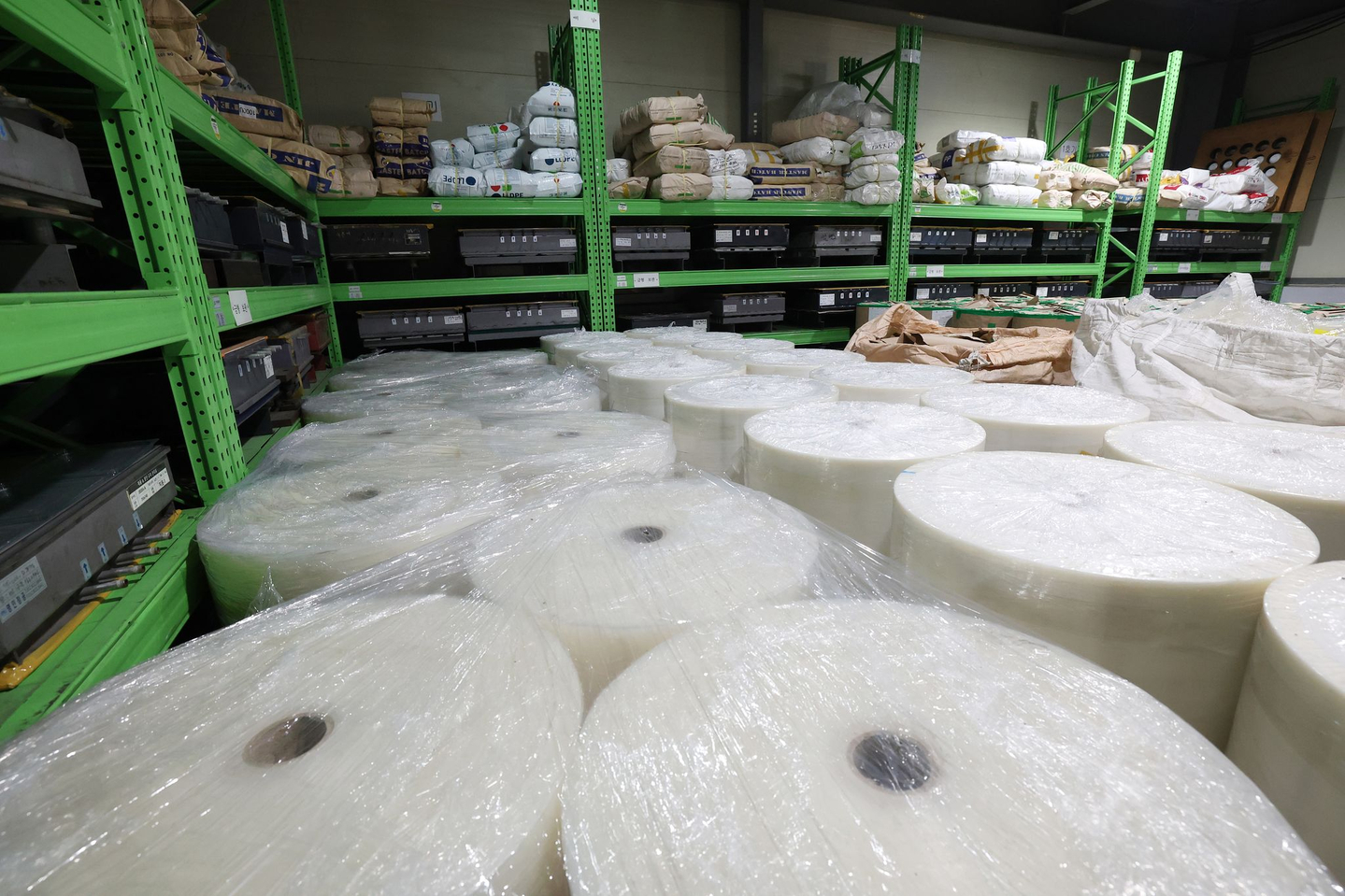
Representatives from South Korean semiconductor equipment companies reveal that supplies of various semiconductor production materials—from cutting oils used for silicon component slicing to plastic films for packaging—are becoming increasingly unstable. Suppliers indicate that approximately 20-30% of order volumes could face supply disruptions due to shipping interruptions and logistics delays in the Middle East region. While corporate inventories have not yet been exhausted, factories have been instructed to maximize material usage efficiency in anticipation of potential shortages. This supply tension affects not only mature process chips but poses an even greater threat to advanced process semiconductors, as sub-7nm processes require higher-purity specialty gases and chemicals with highly specialized production and transportation requirements and limited alternative sources.
This supply uncertainty initially impacts the foundational enterprises within the semiconductor ecosystem, which typically maintain thinner inventory buffers. Raw material shortages have already spread to smaller semiconductor material, component, and equipment manufacturers. As basic materials used throughout the production process face transportation delays and cost increases, concerns are mounting that the manufacturing ecosystem could experience chain reactions. The latest survey from the Japan Semiconductor Industry Association shows that over 60% of Japanese semiconductor material companies report that delivery times for their critical raw materials have extended by more than 50%, with prices increasing by an average of 15-25%. Data from the Korea International Trade Association also indicates that South Korea’s imports of electronic chemicals from the Middle East decreased by 18% year-over-year in March, while air freight costs increased by 40%.
Helium Crisis: Global Supply Reduced by One-Third
The most significant risk to semiconductor manufacturing comes from the helium supply chain. Helium, a byproduct of natural gas production, is an indispensable material in chip production for wafer cooling and precise temperature control. Helium’s unique physical properties make it irreplaceable in semiconductor manufacturing, particularly in extreme ultraviolet (EUV) lithography processes where it cools optical systems and maintains vacuum environments. However, the Middle East conflict has halted helium production in Qatar, reducing global supply by one-third. Qatar is one of the world’s largest helium exporters, with its helium production accounting for 25-30% of global supply, primarily from natural gas processing facilities in the North Field.
The New York Times reported on March 27, citing former gas industry executive and helium industry consultant Phil Kornbluth: “At the outset of the war, about 200 specialized containers used to transport helium were stranded in the Strait of Hormuz. It could take months to reposition them, refill them and deliver the gas to customers.” Without helium, leading chip manufacturers including TSMC, South Korea’s Samsung Electronics, and SK hynix could struggle to maintain production line operations, creating cascading effects for semiconductor-powered devices from Apple iPhones to Nvidia AI servers. The impact of helium shortages extends beyond semiconductor manufacturing to medical equipment (such as MRI machines), scientific research (such as particle accelerators), and aerospace, but the semiconductor industry faces the most direct and severe consequences due to its large-scale, continuous production characteristics.
Japan-Korea Semiconductor Corporate Response Strategies
Samsung Electronics and SK hynix have stockpiled sufficient inventory to last several months, avoiding immediate impact, but production disruptions would become unavoidable if the crisis persists. An industry official stated: “We are monitoring the situation while diversifying import sources, including the United States. But if prices soar because of supply difficulties, the cost burden will increase.” Samsung Electronics has activated contingency plans, including supply negotiations with non-Middle Eastern helium producers such as Russia and Algeria, while researching further optimization of helium recovery and recycling technologies with the goal of improving helium usage efficiency by over 20%. SK hynix is jointly investing in helium storage facilities with Japanese partners, planning to extend strategic reserves from the current three months to six months.
Japanese semiconductor companies are implementing similar measures. Japanese semiconductor material manufacturers such as Tokyo Electron and Shin-Etsu Chemical are accelerating the search for alternative supply sources outside the Middle East while renegotiating delivery schedules with customers. Japan’s Ministry of Economy, Trade and Industry has established a special task force to coordinate supply chain risk management for semiconductor companies. The task force’s main responsibilities include establishing an early warning system for critical material supplies, coordinating inventory sharing mechanisms between companies, and promoting localization of semiconductor material production. The Japanese government is also considering utilizing national strategic reserves to provide temporary critical material support for semiconductor companies, ensuring that advanced process chip production remains unaffected.
Naphtha Price Doubling Impacts Pharmaceutical Packaging Materials
The surge in international oil prices is extending to shortages of essential medical supplies in the pharmaceutical industry. Naphtha, the basic raw material for plastics often called “the rice of industry,” was approximately $600 per ton at the beginning of the year but has recently nearly doubled to around $1,100. South Korea imports 45% of its domestic naphtha demand, with 77% of that coming from the Middle East. Naphtha is a key raw material for producing basic chemical feedstocks such as ethylene and propylene, which are further processed into various plastic resins used to manufacture pharmaceutical packaging, medical devices, and medical consumables.
If the supply of synthetic resin made from naphtha is choked off, production of intravenous (IV) bags and pharmaceutical containers—both hospital essentials—could be paralyzed. Major pharmaceutical companies including Yuhan Corporation have currently secured two to three months of packaging materials and are closely monitoring the situation. A representative from a domestic pharmaceutical company explained: “The Korean word for IV infusion does not refer to water but to delivery, because IV fluids are also used to administer other medicines, including anticancer drugs, to patients. That is why they are such essential medical supplies, and if IV bag shortages become reality, the consequences could be devastating for public health and lives.” The Japan Pharmaceutical Manufacturers Association has also issued warnings that continued naphtha supply tensions could lead to production delays or interruptions for certain medications, particularly biologics and injectables requiring special packaging.
Aviation Industry Directly Impacted by Fuel Costs
Airlines are also taking a direct hit from fuel costs. According to data compiled by the International Air Transport Association, the global weekly average jet fuel price stood at $197 per barrel as of March 20, up 105% from a month earlier. With little room left to defend profitability, carriers have begun reaching for the most drastic option of canceling flights. Aviation fuel costs typically represent 20-30% of airline operating expenses, and such substantial price increases severely challenge the economics of many routes, particularly long-haul and cargo routes.
Jin Air will cancel 45 round-trip flights on eight routes from March 28 to April 30, including services from Incheon to Guam, Clark, and Nha Trang and from Busan to Cebu. Air Premia, which operates long-haul routes, has also decided to suspend a total of 50 flights starting in April, including 26 on its Los Angeles route and eight on its San Francisco route, entering a painful round of cost cutting. Japan Airlines and All Nippon Airways have also announced flight schedule adjustments, reducing frequencies on Middle Eastern and European routes while increasing cargo rates to cope with rising costs. Aviation transport disruptions further exacerbate supply chain issues, as many high-value, urgent semiconductor components and medical supplies rely on air freight, and reduced air capacity combined with increased costs creates greater challenges for transporting these critical materials.
Government Emergency Measures and Industry Implications
The South Korean government imposed a blanket ban on all exports of domestically produced naphtha starting at midnight on March 27, including volumes already committed under existing export contracts. This measure aims to ensure critical raw material supplies for the domestic pharmaceutical and chemical industries. Additionally, South Korea’s Ministry of Trade, Industry and Energy announced the establishment of a “Supply Chain Stability Special Task Force” to coordinate cross-ministerial responses to the supply chain crisis. The task force will focus on monitoring the supply status of 100 key industrial materials, establishing an early warning system, and providing supply chain diversification support to companies. The South Korean government is also considering utilizing foreign exchange reserves to provide financing support for companies importing critical raw materials, alleviating corporate cash flow pressure.
The Japanese government has implemented similar measures. The Ministry of Economy, Trade and Industry announced an expansion of the “Specified Important Materials” list to include helium, specialty gases, electronic-grade chemicals, and other semiconductor-critical materials, requiring relevant companies to increase inventory levels and report supply chain risks. The Japanese government is also providing supply chain disruption insurance to companies through Nippon Export and Investment Insurance (NEXI) to reduce corporate risk exposure. Simultaneously, Japan is accelerating supply chain cooperation with resource-rich countries such as Australia and Canada, seeking to establish diversified raw material supply networks.
Long-Term Strategic Adjustments and Supply Chain Restructuring
This crisis provides important lessons for the Japan-Korea semiconductor industry: First, excessive dependence on specific geographic regions in supply chains carries significant risks; second, strategic reserves of critical raw materials require reevaluation; third, supply chain diversification is not merely a cost issue but a survival imperative. In the future, Japan-Korea semiconductor companies may need to reconsider their global supply chain layouts, increasing regionalized production and nearshore outsourcing to reduce dependence on long-distance, high-risk transportation routes. Many companies have already begun adjusting strategies, including establishing regional supply chain hubs in Southeast Asia, creating backup production capacity in North America and Europe, and investing in localization of critical material production and technology research and development.
As geopolitical risks become the new normal, supply chain resilience will become a core competitive advantage for semiconductor companies. Those enterprises capable of rapid adaptation and flexible adjustment of supply chain strategies will emerge stronger from this crisis, while slower responders may face existential threats. This crisis is also accelerating transformation within the semiconductor industry, pushing companies from efficiency-optimized globalized supply chains toward more resilient regionalized, diversified supply chain systems. In the future, successful semiconductor companies will need not only technological leadership but also foresight and flexibility in supply chain management, enabling stable operations within complex and changing geopolitical environments.
For Japan and South Korea, this crisis also presents an opportunity to strengthen industrial cooperation. The two countries possess complementary advantages in the semiconductor industry, with Japan leading in materials and equipment and South Korea excelling in manufacturing and memory. By enhancing cooperation to jointly address supply chain challenges, both nations can elevate the competitiveness of the entire East Asian semiconductor industry, reduce dependence on single-region supply chains, and build a safer, more stable semiconductor industry ecosystem.
Source: koreajoongangdaily.joins.com
Compiled from international media by the SCI.AI editorial team.