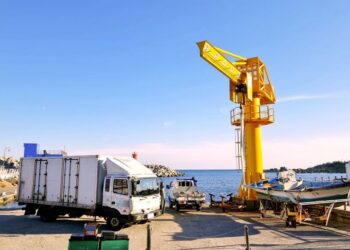
According to unctad.org, the UN Conference on Trade and Development (UNCTAD) has concluded its four-year Sustainable Smart Ports (SSP) project in Ghana, Mauritius, and Morocco, delivering evidence-based port energy reforms aligned with national development goals and global decarbonization targets.
Why Sustainable Smart Ports Matter
Ports are critical nodes in global supply chains—handling food, fuel, medicines, and electronics—but remain among the most energy-intensive transport infrastructure segments, still heavily reliant on fossil fuels and grid electricity. Yet they hold unique potential in the energy transition: by integrating renewable energy, electrifying operations, and supporting production, storage, and bunkering of alternative marine fuels, ports can evolve into strategic platforms within low-carbon energy supply chains.
Barriers and Breakthroughs
For many developing nations, progress is hindered by fragmented institutional mandates, weak coordination among port authorities, energy providers, and regulators, and the absence of integrated strategic frameworks. The SSP project—funded by the UN Development Account and implemented with national partners—directly addressed these systemic gaps through standardized assessment, multistakeholder dialogue, and targeted capacity building.
Pilot Port Assessments
The project applied a unified Sustainable Smart Port assessment methodology—combining quantitative and qualitative, evidence-based analysis—to three pilot ports:
- Port Louis, Mauritius
- Tanger Med, Morocco
- Port of Tema, Ghana
Assessments evaluated energy use patterns, national grid readiness for electrification, renewable integration potential, and regulatory/institutional framework strength—identifying both bottlenecks and actionable opportunities.
Country-Specific Outcomes
In Mauritius, follow-up discussions led the Mauritius Ports Authority to advance concrete next steps: scaling up solar photovoltaic installations, electrifying port equipment, exploring shore-power options for vessels at berth, and preparing technical cooperation proposals for a green port strategy.
In Ghana, the assessment clarified regulatory and technical constraints, helping authorities define clearer implementation pathways for energy-efficient port modernization.
In Morocco, work at Tanger Med strengthened the use of energy-related performance indicators and enhanced multistakeholder cooperation across port and energy sectors.
Capacity-Building Foundations
Capacity-building activities were tightly aligned with each country’s priorities and covered: renewable energy integration, electrification of port equipment, onshore power supply readiness, alternative fuels, energy management systems (ISO 50001), and institutional coordination. Practical tools and training materials were co-developed to sustain dialogue and technical assistance.
Building on this experience, UNCTAD is developing a dedicated online training course on sustainable and smart ports, drawing on SSP materials and country lessons. It is scheduled for launch in Q3 2026. A public webinar to present findings and key lessons will be held on 31 March.
As the maritime sector shifts toward cleaner fuels and digital operations, these efforts position ports not only as trade enablers but as active participants in emerging low-carbon energy and trade networks—offering tangible pathways for supply chain professionals managing energy-intensive logistics infrastructure in emerging markets.
Source: unctad.org
Compiled from international media by the SCI.AI editorial team.