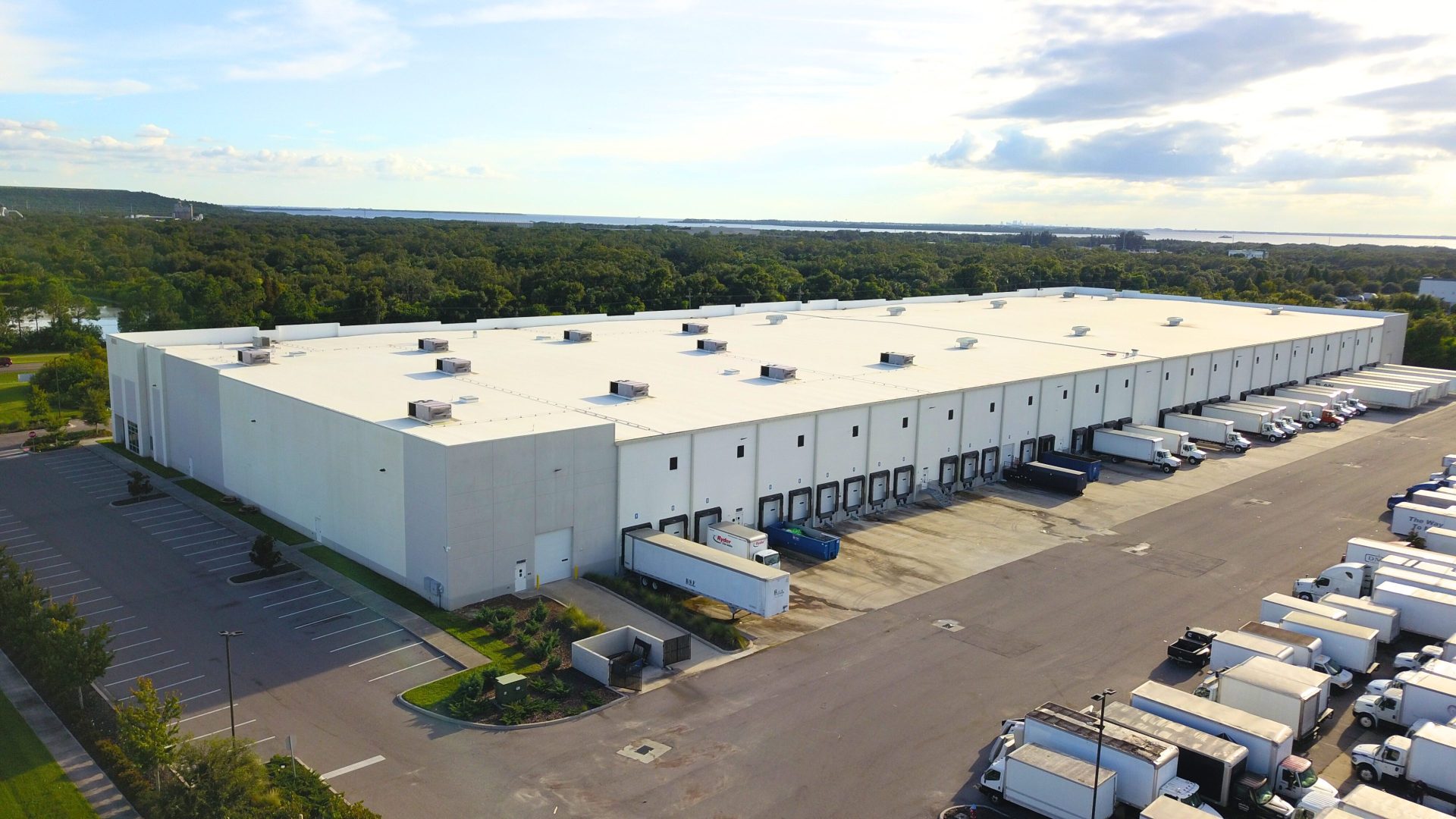
According to www.cdslogistics.net, CDS Logistics has unveiled an 182-hub network across the continental United States to address multi-market last-mile delivery and fulfillment challenges.
Last-Mile Complexity in Multi-Market Operations
Last mile delivery remains one of the most complex and costly components of modern supply chains—especially for businesses operating across multiple U.S. markets. Companies face divergent state laws layered atop federal regulation, rising transportation costs, regional infrastructure disparities, and evolving customer expectations for speed and reliability. As noted in the source, “Breaking into multiple markets isn’t easy, especially with varying state laws on top of federal regulation. That’s why finding a 3PL or delivery provider with local reach becomes critical for expansion efforts into new markets and territories throughout the country.”
Core Operational Challenges
- Inefficiency from centralized warehousing: Absence of local hubs increases road time, overtime pay, and inflexible delivery windows that misalign with customer availability.
- Labor shortages: Driven by an aging workforce and federal tightening of commercial driver’s license (CDL) requirements, reducing available drivers and constraining delivery volume and margins.
- Regional routing friction: For example, routing deliveries to Indianapolis from a partner’s nearest hub in Columbus creates unnecessary backhauls—whereas a localized presence in Bloomington enables direct, efficient service.
Local Warehousing as a Scalable Solution
Local fulfillment centers reduce damage risk, late deliveries, and human error—particularly for time- and condition-sensitive goods like custom millwork serving central Maryland and Washington, D.C. Distributed warehousing supports rapid response to regional demand shifts, improves inventory accuracy, prevents stockouts and overstocking, and enables faster order processing. When paired with data-driven demand forecasting and advanced warehouse management systems, local networks enhance scalability without sacrificing service consistency.
Real-Time Visibility and Technology Integration
End-to-end visibility and real-time tracking provide unmatched control: knowing product location—from warehouse to customer doorstep—supports accurate demand forecasting, strengthens accountability, and delivers precise answers to customer inquiries like “Where is my order?” The source emphasizes that “Real-time tracking offers flexibility and control like no other” and that “having the real numbers, not an approximation, helps businesses and dealers understand seasonal trends and how many products should be where.”
The Hub-and-Spoke Model in Action
CDS Logistics’ national footprint leverages a hub-and-spoke model anchored by its 182 hubs—all located within the continental U.S. This structure enables localized fulfillment, warehousing, and last-mile delivery while maintaining national coverage. As stated in the source: “Our 182 hubs across the continental United States meet customers throughout the country, offering flexibility, efficiency, and increased availability that actively meets customer needs.”

Emerging Trends and Industry Context
Looking ahead to 2026, CDS identifies AI-powered route optimization and analytics as key growth levers. Geopolitical pressures—including oil price volatility, tariff impacts, and global trade disruptions—continue to affect fleet maintenance costs and operational planning. These dynamics mirror broader industry responses: Maersk has expanded its integrated logistics tech stack, while Amazon continues investing in middle-mile automation and regional sortation centers. According to publicly reported data, U.S. last-mile delivery costs average $10.12 per package (McKinsey, 2025), and labor accounts for nearly 65% of last-mile operating expenses (Armstrong & Associates, 2024). CDS’s focus on regional carrier partnerships and distributed infrastructure aligns with a sector-wide shift toward network resilience over centralized scale.
Practitioner Implications
For supply chain professionals, CDS’s model underscores three actionable priorities: First, evaluate whether current 3PL partners offer true local presence—not just national branding—with physical hubs near high-demand ZIP codes. Second, assess the integration level between real-time visibility tools and warehouse management systems; fragmented data undermines forecasting and responsiveness. Third, treat labor constraints not as static bottlenecks but as design parameters—favoring hub density, shorter hauls, and standardized loading protocols to maximize driver productivity per shift.
Source: www.cdslogistics.net
Compiled from international media by the SCI.AI editorial team.