According to koreajoongangdaily.joins.com, the Iran war is triggering cascading supply chain disruptions across semiconductors, pharmaceuticals, and aviation—far beyond oil price volatility.
Semiconductor Materials Under Pressure
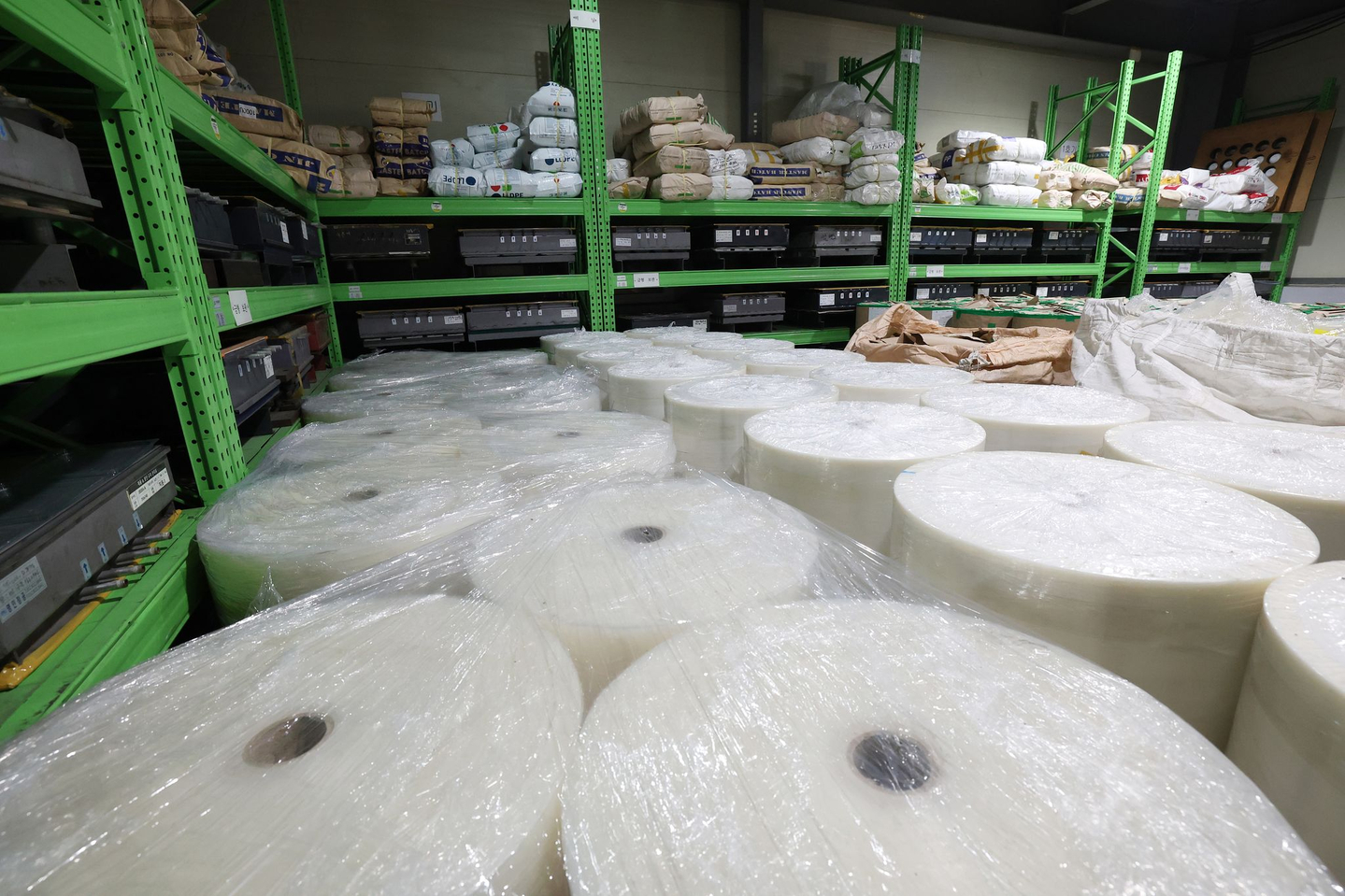
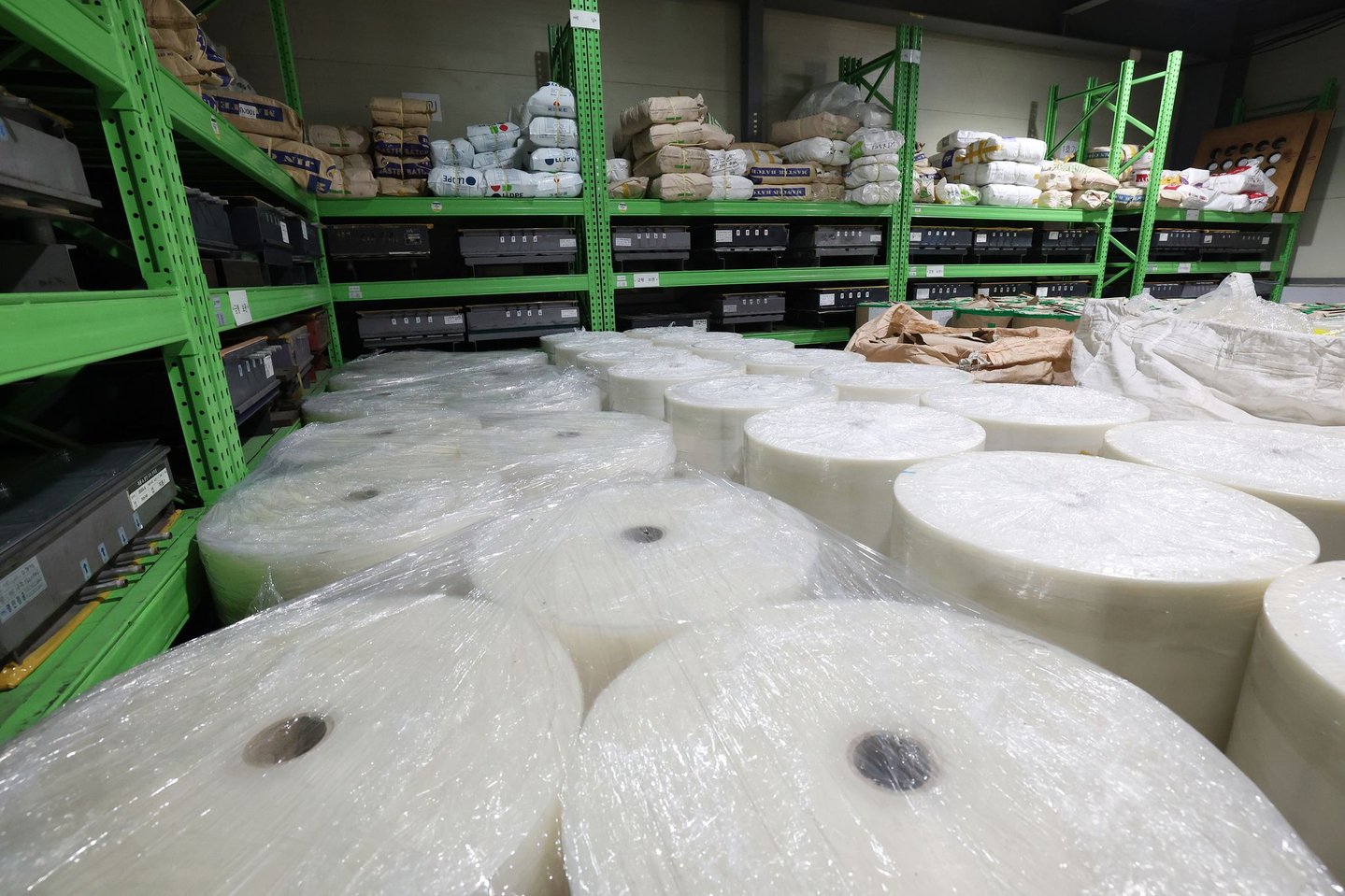
Suppliers of semiconductor equipment report that 20 to 30 percent of ordered volumes face potential disruption due to shipping delays and raw material shortages. Companies at the bottom of the semiconductor ecosystem—smaller materials, parts, and equipment makers—are feeling the first impact, as their inventory buffers are thin. Critical process inputs—from cutting oil used to slice silicon wafers to plastic film for packaging—are becoming unreliable.
Helium Shortage Threatens Chip Production
The most acute risk lies in helium supply. Helium, a byproduct of natural gas, is indispensable for wafer cooling and precise temperature control in chip fabrication. Qatar’s helium production has halted due to the Middle East conflict, slashing global supply by one-third. As reported by the New York Times, about 200 specialized helium transport containers were stranded in the Strait of Hormuz at the war’s outset. Consultant Phil Kornbluth, a former gas industry executive and helium industry consultant, noted it could take months to reposition, refill, and deliver them to customers.
“Without helium, leading chip makers, including Taiwan Semiconductor Manufacturing Company and South Korea’s Samsung Electronics and SK hynix, could struggle to keep production lines running, with cascading effects for semiconductor-powered devices from Apple’s iPhones to Nvidia’s [AI] servers.”
Samsung Electronics and SK hynix hold enough stockpiles to last several months, but prolonged disruption would inevitably impair output. An industry official confirmed: “We are monitoring the situation while diversifying import sources, including the United States. But if prices soar because of supply difficulties, the burden on costs will grow.”
Pharmaceutical Supply Chain at Risk
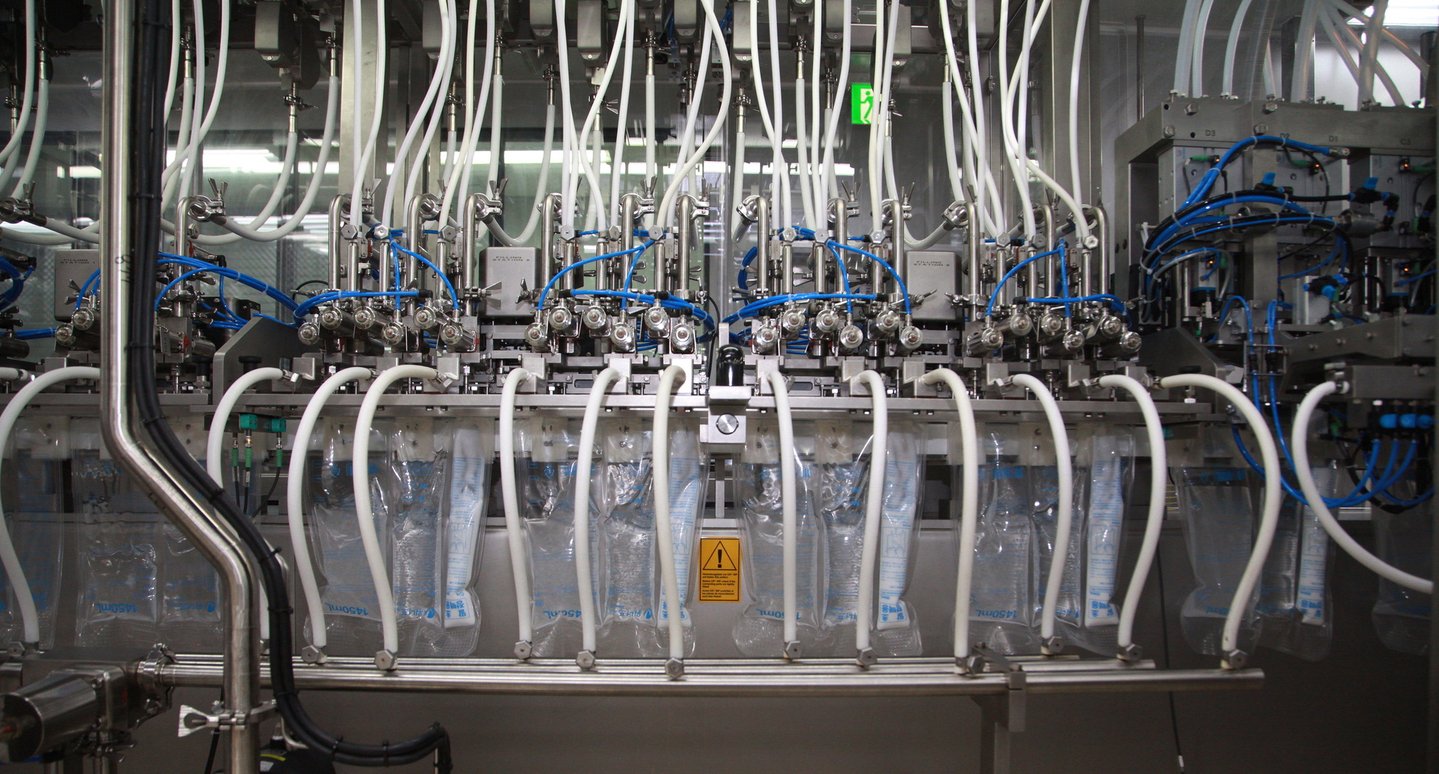
Naphtha—a foundational feedstock for plastics, dubbed “the rice of industry”—has nearly doubled in price, rising from $00 per ton at year-start to $1,100 per ton. South Korea imports 45 percent of its domestic naphtha demand, with 77 percent of those imports sourced from the Middle East. A shortage of synthetic resin derived from naphtha threatens production of IV bags and pharmaceutical containers—both hospital essentials. Major drugmakers including Yuhan Corporation hold two to three months’ worth of packaging materials but are closely tracking developments.
“The Korean word for IV infusion does not refer to water but to delivery, because IV fluids are also used to administer other medicines, including anticancer drugs, to patients,” said a representative at a domestic pharmaceutical company. “That is why they are such essential medical supplies, and if IV bag shortages become reality, the consequences could be devastating for public health and lives.”
In response, the Korean government imposed a blanket ban on all exports of domestically produced naphtha, including volumes already committed under existing contracts.

Airline Operations Canceled Amid Soaring Fuel Costs
Jet fuel prices surged to $97 per barrel as of March 20—up 105 percent from a month earlier, per the International Air Transport Association. Carriers, with minimal margin to absorb cost spikes, have begun canceling flights. Jin Air will cancel 45 round-trip flights across eight routes from Saturday to April 30—including Incheon–Guam, Incheon–Clark, Incheon–Nha Trang, and Busan–Cebu. Air Premia is suspending 50 flights starting in April, including 26 on its Los Angeles route and 8 on its San Francisco route.
Source: koreajoongangdaily.joins.com
Compiled from international media by the SCI.AI editorial team.