According to www.focus2move.com, Japan’s year-to-date auto sales through February 2026 fell 7.1%, with market leader Toyota down 11.6% and Nissan slipping 4.9% — dropping one ranking position to fifth place.
Market Share Shifts Amid Broad Decline
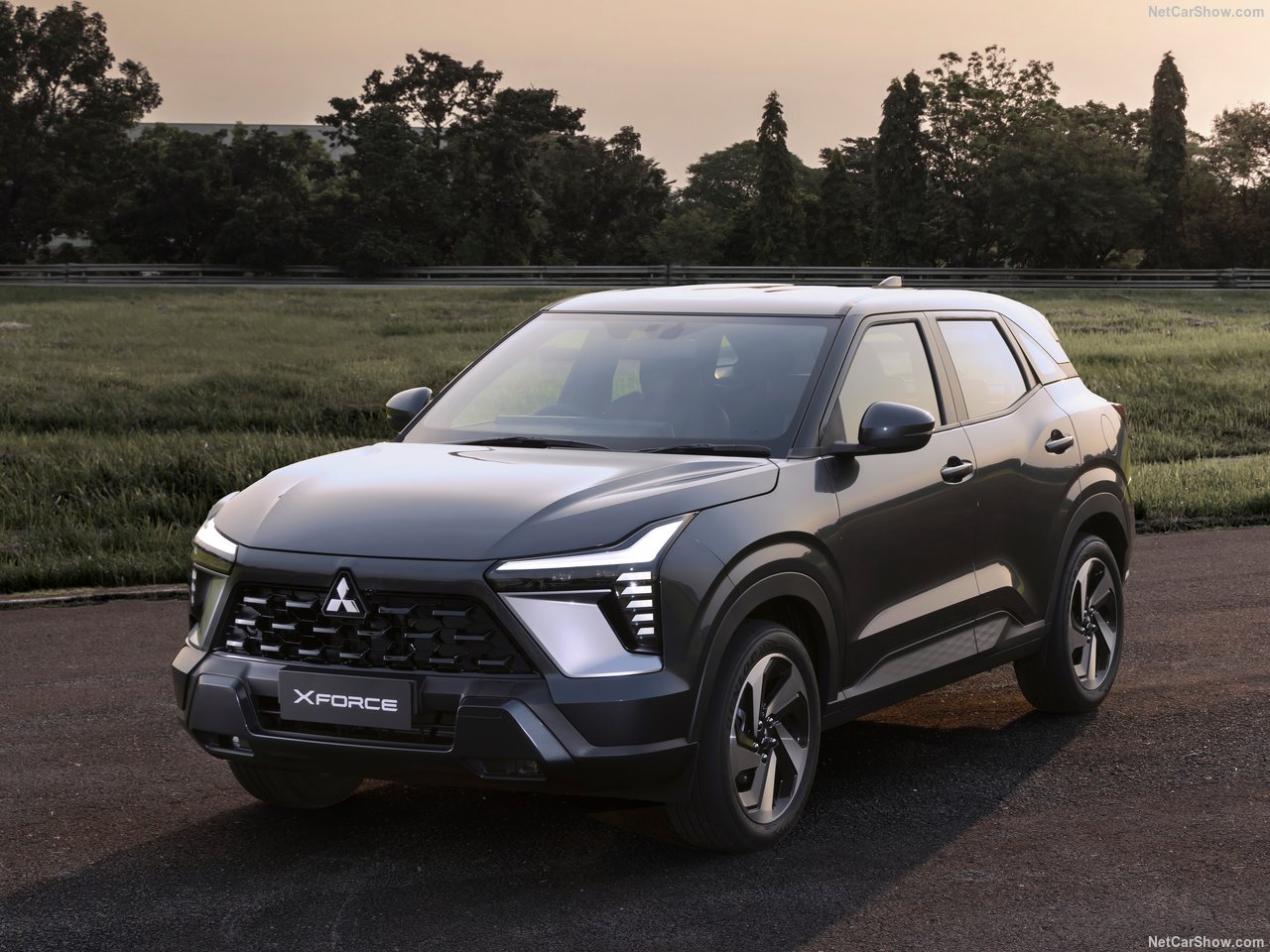
Toyota retained first place with a 31.8% share (−11.6%), followed by Suzuki (16.2%, −5.7%), Honda (13.4%, −3.4%), Daihatsu (up one spot to fourth, 9.9%, −0.1%), and Nissan at fifth (7.2%, −4.9%). Mazda ranked sixth (5.3%, −15.1%), Subaru eighth (4.1%, −14.5%), Lexus ninth (3.8%, +0.7%), and Mercedes-Benz tenth (2.9%, −7.3%). Mitsubishi rose to seventh (3.5%, +15%).
Model-level performance reflected broader volatility: the Honda N-Box remained Japan’s top-selling vehicle despite a 0.5% year-on-year decline; the Suzuki Spacia overtook the Toyota Yaris — which plunged 28.7% to third place.
EV Adoption Remains Stubbornly Low
Electric vehicle adoption in Japan continues to lag regional peers, with EVs accounting for just 3.1% of total new vehicle sales. Mitsubishi led EV sales with 26% growth and a 54.2% segment share, followed by Nissan and Toyota. Tesla failed to enter the top three.
The government maintains ambitious electromobility targets, but structural headwinds persist: strong consumer preference for hybrid vehicles, limited EV model variety, underdeveloped large-scale battery supply chains, and energy security priorities that have elevated hydrogen as a parallel strategic focus.
Medium-Term Market Trajectory
- Total industry sales stood at 3.82 million units in 2025 (+2.9% vs. 2024), recovering modestly from 3.72 million in 2024 (−6.7%)
- 2023 saw a rebound to nearly 4 million units (+15.8%), but momentum proved fragile
- 2020 pandemic impact caused an 11.1% contraction; sales remain significantly below 2014 levels
- EV sales peaked in 2023 after doubling, then declined 5% in 2024 and a further 7.7% in 2025 to 93,584 units
Supply Chain Implications for Global Practitioners
For global supply chain professionals, Japan’s stalled EV transition signals continued reliance on hybrid powertrain components — particularly nickel-metal hydride and lithium-ion battery systems optimized for HEVs/PHEVs rather than BEVs. This delays demand for high-nickel cathode materials, 800V architecture components, and ultra-fast charging infrastructure hardware. Meanwhile, automakers’ ongoing investments in hydrogen fuel cell logistics (e.g., Toyota’s Mirai supply chain and port-based hydrogen import terminals in Kobe and Yokohama) are creating niche but growing requirements for cryogenic transport, high-pressure vessel certification, and green hydrogen traceability — all demanding new supplier qualifications and cross-border compliance protocols. The persistent dominance of kei cars (like the N-Box and Spacia) also reinforces demand for compact, high-efficiency logistics networks, localized Tier-2/3 supplier clusters, and JIT delivery resilience amid Japan’s aging driver workforce and shrinking last-mile labor pool.
Source: www.focus2move.com
Compiled from international media by the SCI.AI editorial team.