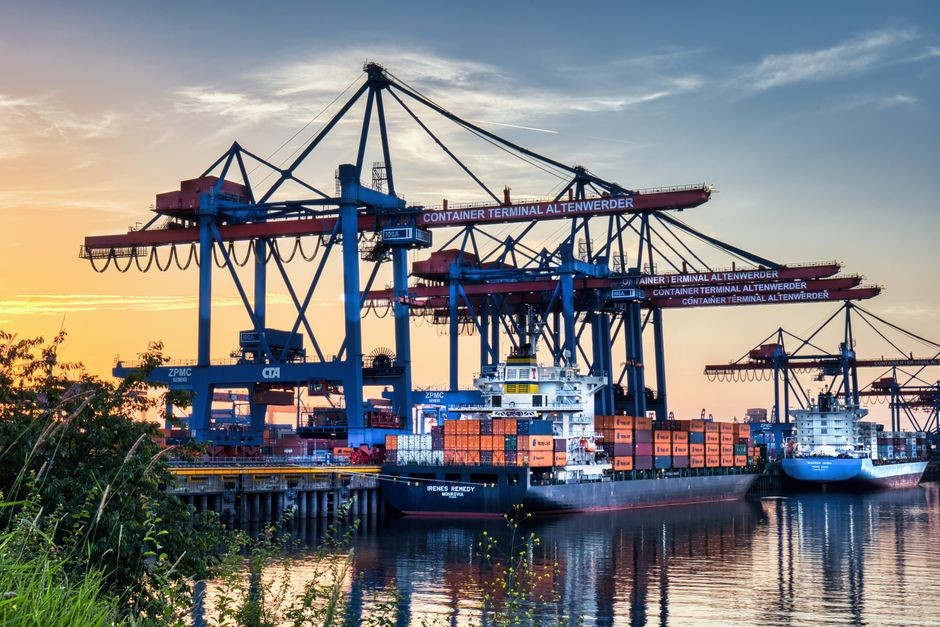
According to taylordistributing.com, the Trans-Pacific Maritime Conference (TPM26), held March 1–4, 2026 at the Long Beach Convention Center, delivered critical insights on capacity constraints, partnership evolution, and freight strategy amid intensifying cost and regulatory pressures.
What Is TPM26 — And Why It Matters
Organized by the Journal of Commerce (JOC) under S&P Global, TPM has served as the premier annual summit for the trans-Pacific and global container shipping and logistics community since 2001. It draws shippers, ocean carriers, freight forwarders, technology providers, trucking operators, railroads, ports, terminals, and third-party logistics (3PL) providers for high-stakes networking, negotiations, and strategic alignment. For Cincinnati-based drayage and 3PL provider Taylor Distributing — represented at TPM26 by Chaz and team — attendance is not optional: decisions made in Long Beach directly impact port ramps, chassis pools, and inland delivery points across the U.S., including key Midwest corridors.
Four Defining Themes from TPM26
1. Cost Pressure Is Reshaping Freight Strategy
Tariff-driven cost pressure dominated discussions. Goldman Sachs data cited at the event shows that 64% of U.S. tariff costs were absorbed by American companies through mid-2025 — levels analysts describe as the highest since the 1930s. This has elevated logistics from a back-office function to boardroom-level strategy. Ocean contract rates remain 25% above pre-pandemic levels (Drewry, 2025), even after recent declines. As a result, shippers are renegotiating contracts, auditing detention and demurrage charges, and prioritizing reliability and transparency over rate alone.
2. Drayage Capacity Is Tightening — Timing Is Critical
A confluence of factors — including regulatory enforcement actions, rising carrier insolvencies, and shifting inland routing strategies — is tightening drayage capacity. A December 2025 report from ITS Logistics, cited by Commercial Carrier Journal, states these pressures are “culling the 2026 capacity pool of both inland and drayage providers, which will likely result in swift capacity crunches as demand returns.” The Cincinnati market faces specific risks: C.H. Robinson’s February 2026 drayage update flagged chassis shortages, metered releases, and extended turn times at the NS Sharon terminal. As Book Your Cargo observed in its December 2025 Supply Chain Outlook:
“Drayage capacity in 2026 will not disappear. It will reallocate. It will move away from reactive execution and toward operators who understand how supply chain trends reshape timing, sequencing, and constraint behavior.”
3. Partnerships Are Replacing Transactions
Shippers are moving decisively beyond transactional relationships. Lessons from recent market volatility have underscored that lowest-cost sourcing often sacrifices resilience. More companies now prioritize predictability, responsiveness, and integrated partnerships — aligning with Taylor Distributing’s relationship-first model built on collaboration with carriers, port operators, and intermodal providers.
4. Ocean Alliance Restructuring Is Reshaping Procurement
Ocean freight procurement is being transformed by major alliance shifts: the dissolution of the 2M partnership between Maersk and MSC; the formation of the Gemini Cooperation between Maersk and Hapag-Lloyd; and the creation of the Premier Alliance among ONE, HMM, and Yang Ming. These changes affect service patterns, port calls, and trans-Pacific capacity availability — requiring shippers to engage strategic 3PL partners to navigate complexity.
Market Context and Projections
The drayage services market is projected to reach $4.65 billion in 2026, up from $4.26 billion in 2025 (360iResearch). Its compound annual growth rate stands at 9.18%, with an expected value of $7.88 billion by 2032 — driven by demand for agile, technology-enabled port-to-door solutions. These figures reflect broader industry trends: increasing reliance on intermodal networks, tighter chassis availability, and heightened scrutiny of inland handoffs.
Source: taylordistributing.com
Compiled from international media by the SCI.AI editorial team.