Explore

  • Trending
  • Latest
  • Tools
  • Browse
  • Subscription Feed

Logistics

  • Ocean
  • Air Cargo
  • Road & Rail
  • Warehousing
  • Last Mile

Regions

  • Southeast Asia
  • North America
  • Middle East
  • Europe
  • South Asia
  • Latin America
  • Africa
  • Japan & Korea
SCI.AI
  • Supply Chain
    • Strategy & Planning
    • Logistics & Transport
    • Manufacturing
    • Inventory & Fulfillment
  • Procurement
    • Strategic Sourcing
    • Supplier Management
    • Supply Chain Finance
  • Technology
    • AI & Automation
    • Robotics
    • Digital Platforms
  • Risk & Resilience
  • Sustainability
  • Research
  • English
    • Chinese
    • English
No Result
View All Result
  • Login
  • Register
SCI.AI
No Result
View All Result
Home Risk & Resilience Geopolitics

The Impact of Tariffs on Global Supply Chain Disruption: A Deep Analysis

2026/03/21
in Geopolitics, Risk & Resilience, Trade & Tariffs
0 0
The Impact of Tariffs on Global Supply Chain Disruption: A Deep Analysis

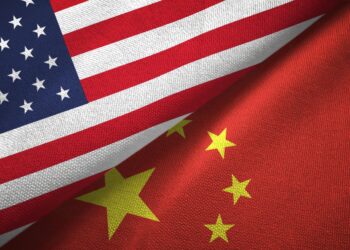
Recent data reveals that an overwhelming 86% of industry leaders have experienced significant supply chain disruptions due to tariffs. This article delves into the causes, effects, and potential solutions to this growing challenge, offering a comprehensive analysis of the global supply chain landscape.

Introduction to Tariffs and Supply Chain Disruption

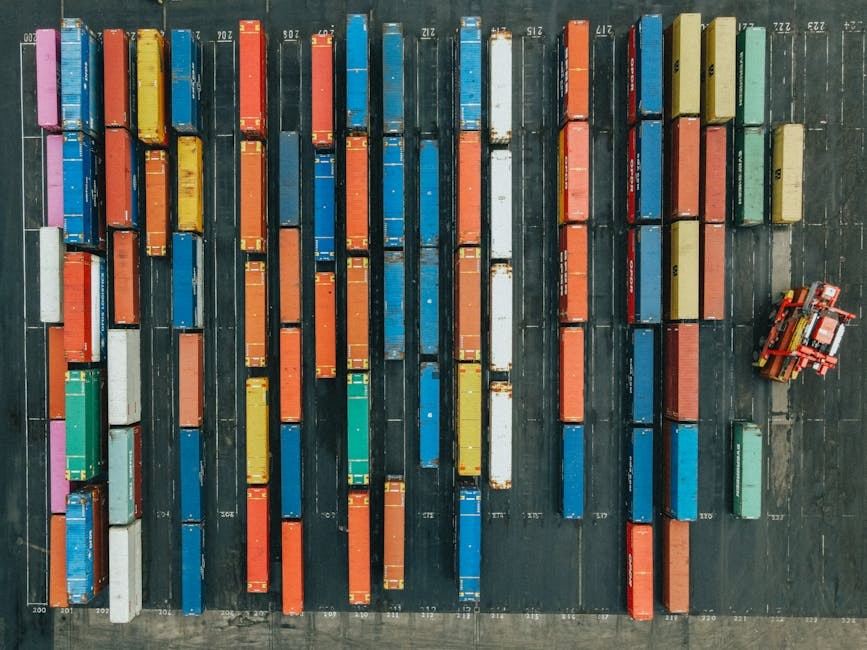
Tariffs, essentially taxes on imported goods, have become a contentious issue in international trade. They are implemented to protect domestic industries, but their unintended consequences often disrupt global supply chains. This disruption is not just a temporary inconvenience but a long-term threat to the stability and efficiency of global trade.

Industry leaders, across various sectors, have reported disruptions in their supply chains, leading to increased costs, delays, and reduced product availability. The impact of these disruptions is far-reaching, affecting everything from consumer prices to business operations.

The Economic and Industrial Implications

The economic implications of tariffs-driven supply chain disruptions are profound. For instance, the automotive industry, which relies heavily on global supply chains, has seen production delays and increased costs. This has not only affected the automotive sector but also its suppliers and customers, creating a ripple effect across the economy.

Industries like electronics, pharmaceuticals, and consumer goods have also been hit hard. The complexity of global supply chains means that disruptions in one part of the chain can have cascading effects on the entire system. This has led to increased prices for consumers and reduced competitiveness for businesses.

The Role of Technology in Mitigating Disruptions

Technology has emerged as a key tool in mitigating the impact of supply chain disruptions. Advanced analytics, artificial intelligence, and blockchain are being used to improve visibility and traceability in supply chains. These technologies help businesses anticipate disruptions and respond quickly to mitigate their impact.

For example, predictive analytics can help companies forecast demand and adjust their supply chains accordingly. Blockchain technology can provide a transparent and immutable record of transactions, reducing the risk of fraud and improving trust among supply chain partners.

The Need for Resilient Supply Chains

The disruptions caused by tariffs highlight the need for resilient supply chains. Resilience refers to the ability of a supply chain to absorb shocks and continue operations. This requires a strategic approach to supply chain design, including diversification of suppliers, location, and transportation modes.

Companies are increasingly looking to regionalize their supply chains to reduce their dependence on specific regions or countries. This approach not only mitigates the risk of disruptions but also supports local economies and reduces carbon footprints.

The Future of Global Supply Chains

The future of global supply chains will be shaped by a combination of factors, including trade policies, technological advancements, and environmental concerns. Tariffs are just one of many challenges that will test the resilience of supply chains.

As the global economy becomes more interconnected, the importance of efficient and resilient supply chains will only grow. Companies that invest in technology, diversify their supply chains, and prioritize sustainability will be better positioned to navigate the complexities of the global market.

Source: abasto.com

This article was AI-assisted and reviewed by our editorial team.
Related Posts

Navigating the Cloud of New US Tariffs: Supply Chain Strategies Amidst Peak Season Demand
Geopolitics

Navigating the Cloud of New US Tariffs: Supply Chain Strategies Amidst Peak Season Demand

March 21, 2026
0
Beyond the Grid: How $100M in African Electrification Funding Is Rewiring Global Energy Supply Chains
Geopolitics

Beyond the Grid: How $100M in African Electrification Funding Is Rewiring Global Energy Supply Chains

March 20, 2026
0
Navigating the 2026 European Supply Chain: A Deep Dive into Customs and Regulations Changes
ESG & Regulation

Navigating the 2026 European Supply Chain: A Deep Dive into Customs and Regulations Changes

March 20, 2026
0
Tariff Turbulence and Structural Fracture: How WTO’s 2025 Forecast Exposes Supply Chain Realignment
Geopolitics

Tariff Turbulence and Structural Fracture: How WTO’s 2025 Forecast Exposes Supply Chain Realignment

March 20, 2026
1
Section 301 Escalation: How Trump’s Pre-Summit Trade Probe Exposes Structural Fault Lines in the U.S.-China Supply Chain
Geopolitics

Section 301 Escalation: How Trump’s Pre-Summit Trade Probe Exposes Structural Fault Lines in the U.S.-China Supply Chain

March 20, 2026
0
The Hormuz-Pharma Nexus: How a Gulf Chokepoint Is Rewriting U.S. Drug Security Strategy
Geopolitics

The Hormuz-Pharma Nexus: How a Gulf Chokepoint Is Rewriting U.S. Drug Security Strategy

March 20, 2026
0

Leave a Reply Cancel reply

Your email address will not be published. Required fields are marked *

Recommended

Rethink Robotics重新推出协作机器人、自主移动机器人和移动操作系统

Rethink Robotics Re-launches Collaborative Robots, Autonomous Mobile Robots, and Mobile Operating System

8 Views
February 16, 2026
The Platformification of Last-Mile Logistics: How SpeedX and ProShip Are Rewriting E-Commerce Delivery Economics

The Platformification of Last-Mile Logistics: How SpeedX and ProShip Are Rewriting E-Commerce Delivery Economics

0 Views
March 19, 2026
SparkCognition重新更名为Avathon,推出工业人工智能平台

Avathon Unveils Industrial AI Platform Post-Rebrand from SparkCognition

9 Views
February 15, 2026
美国国家柴油平均价格连续第三周上升,EIA最新报告显示

US National Average Diesel Price Rises for Third Consecutive Week: Latest EIA Report

4 Views
February 16, 2026
Show More

SCI.AI

Global Supply Chain Intelligence. Delivering real-time news, analysis, and insights for supply chain professionals worldwide.

Categories

  • Supply Chain Management
  • Procurement
  • Technology


  • Risk & Resilience
  • Sustainability
  • Research

© 2026 SCI.AI. All rights reserved.

Powered by SCI.AI Intelligence Platform

Welcome Back!

Sign In with Facebook
Sign In with Google
Sign In with Linked In
OR

Login to your account below

Forgotten Password? Sign Up

Create New Account!

Sign Up with Facebook
Sign Up with Google
Sign Up with Linked In
OR

Fill the forms below to register

All fields are required. Log In

Retrieve your password

Please enter your username or email address to reset your password.

Log In

Add New Playlist

No Result
View All Result
  • Supply Chain
    • Strategy & Planning
    • Logistics & Transport
    • Manufacturing
    • Inventory & Fulfillment
  • Procurement
    • Strategic Sourcing
    • Supplier Management
    • Supply Chain Finance
  • Technology
    • AI & Automation
    • Robotics
    • Digital Platforms
  • Risk & Resilience
  • Sustainability
  • Research
  • English
    • Chinese
    • English
  • Login
  • Sign Up

© 2026 SCI.AI