Introduction – Latin America Emerging as Critical Supply Chain Hub
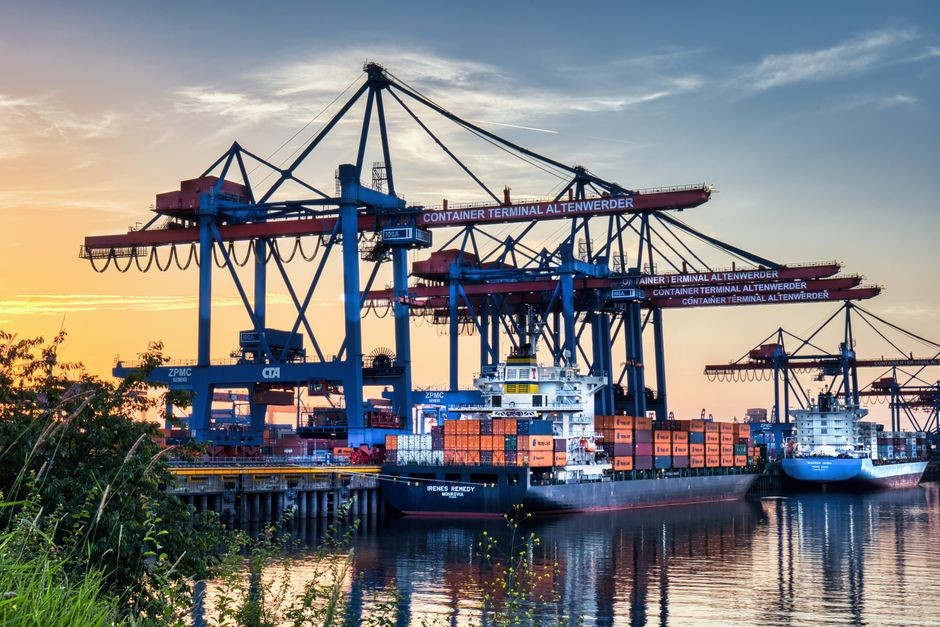
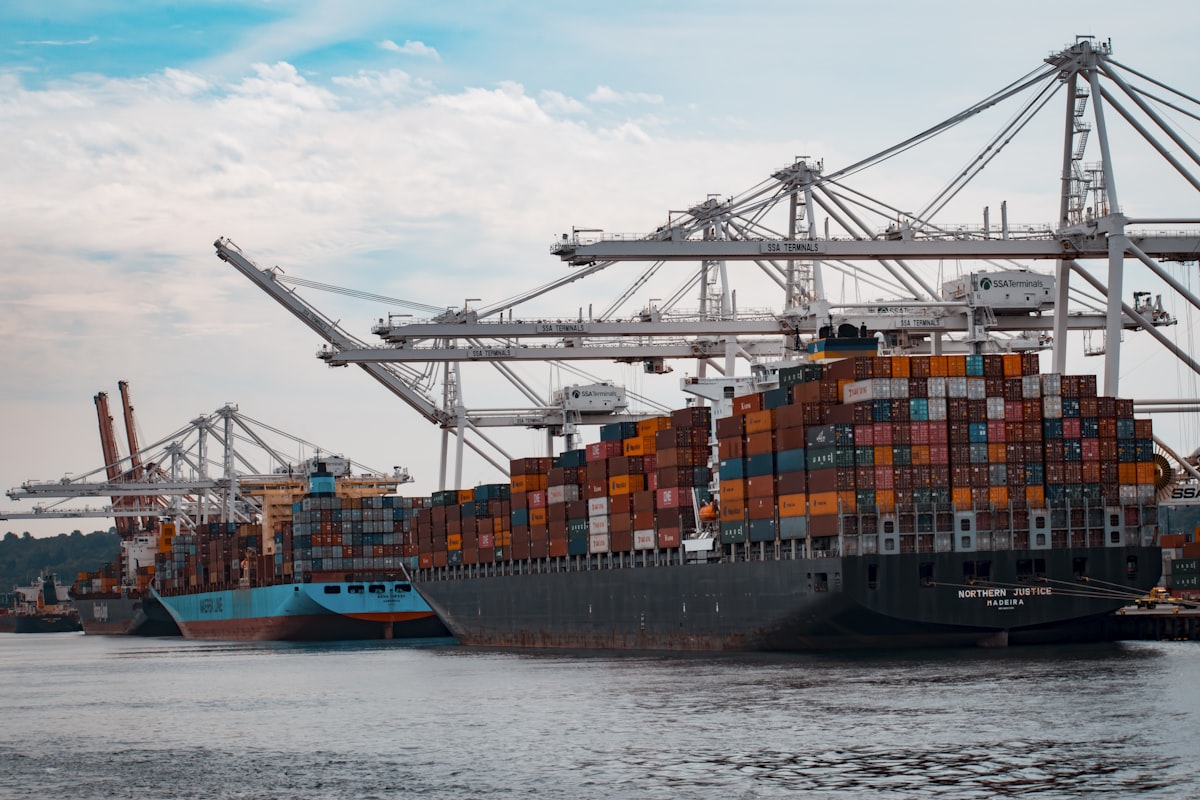
In 2026, Latin America solidified its position as a vital node in the global supply chain network. The region’s abundant natural resources, strategic location, and growing industrial capabilities have made it an attractive alternative to traditional manufacturing hubs like Asia and Eastern Europe. Countries such as Brazil, Mexico, Argentina, and Chile are leveraging their unique strengths to offer competitive advantages in agriculture, technology, automotive, and electronics sectors.
The transformation of Latin America’s supply chain landscape is driven by a combination of infrastructure development, policy reforms, and increased foreign direct investment (FDI). Governments across the region have prioritized modernizing logistics networks to reduce costs and improve efficiency. Meanwhile, companies are taking advantage of favorable trade agreements like the United States-Mexico-Canada Agreement (USMCA) to diversify their production footprints and mitigate risks associated with geopolitical tensions.
Brazil’s Mato Grosso Agricultural Logistics Crisis
Mato Grosso, a vast state in central-western Brazil covering over 900,000 square kilometers, has become the epicenter of Latin America’s agricultural supply chain challenges. Known as the “soybean capital,” this region produces around 25% of Brazil’s soybeans and 40% of its corn. However, despite its significance in global food production, Mato Grosso faces severe logistical bottlenecks that have raised concerns about future productivity.
The primary issue stems from inadequate rail infrastructure. While France and Germany together boast over 40,000 kilometers of railway, Mato Grosso’s network extends merely 650 miles. This gap in transportation capacity results in higher shipping costs, with the expense to move goods to China reaching $113 per ton compared to $85 for competitors like the United States and Argentina. To exacerbate matters, soybean planting area has surged from around 7.7 million acres in 2000 to over 32.1 million acres by the end of the 2024-25 season, with projections suggesting it could exceed 41 million acres by 2033-34.
Infrastructure Solutions
To address these logistical shortcomings, multiple infrastructure projects are underway or in planning stages. One notable effort is the extension of railway lines by Rumo, Brazil’s largest rail company, set to be completed by 2031. This expansion aims to cut transportation costs for agricultural commodities by $3-5 per ton. Another significant development involves northern ports, which have seen a remarkable increase in traffic volumes, up 57% from 2020 to 2024.
Additionally, the Brazilian government has allocated over $920 million towards improving waterways that connect Mato Grosso with coastal areas. This investment aims to provide an alternative and potentially more cost-effective means of transporting large volumes of agricultural products. These initiatives underscore a broader commitment across Latin America to improve logistical capabilities to support burgeoning industries.
Ferrogrão “Grain Train” Project
Among the proposed solutions, the Ferrogrão railway project stands out as a critical development. With an estimated cost of $3.8 billion, this initiative aims to construct a 930-kilometer railway line linking Mato Grosso’s agricultural heartland with ports along the Amazon River. The goal is to reduce transportation costs by up to 30%, making Brazilian agricultural exports more competitive on the global market.
However, the project has faced significant environmental opposition due to concerns over deforestation and its impact on indigenous communities. This resistance culminated in a review of the project’s approval by Brazil’s Supreme Court. The debate highlights the broader tension between economic development and ecological preservation that Latin American countries must navigate as they modernize their supply chains.
Mexico’s Nearshoring Boom
While Brazil grapples with agricultural logistics, Mexico is experiencing a nearshoring boom that has transformed its industrial landscape. With over 110,000 engineers graduating annually and more than 800,000 tech workers employed in the country, Mexico offers a skilled workforce to support advanced manufacturing operations.
Major technology companies like Oracle and Microsoft have invested heavily in Mexican states such as Jalisco, with Oracle alone committing $890 million. Guadalajara, often referred to as the Silicon Valley of Latin America, now hosts over 1,000 tech firms, including numerous startups specializing in artificial intelligence (AI), fintech, and software development. Mexico’s AI patent filings rank fifth globally, underscoring its growing innovation capabilities.
Regional Integration
The nearshoring trend is not confined to individual nations but extends across the Latin American region through increased integration. The trade relationship between Mexico and Brazil exemplifies this collaboration, with bilateral trade valued at approximately $17 billion in 2026. Maersk’s February 2026 report highlighted a significant acceleration of nearshoring activities within Latin America, driven by factors such as proximity to North American markets and the benefits afforded under USMCA.
The Expo Manufactura 2026 trade fair in Mexico further underscored regional cooperation efforts. This event brought together manufacturers from across Latin America to showcase their products and capabilities, fostering a network of suppliers and partners that supports more efficient and resilient supply chains within the region.
Outlook and Implications for Global Supply Chains
The transformation of Latin America’s supply chain landscape in 2026 carries profound implications for global trade dynamics. As countries like Brazil and Mexico enhance their logistical capabilities and leverage regional integration, they become increasingly competitive as production hubs.
These developments have the potential to reshape global supply chains by offering alternative sourcing options that can help companies diversify risks associated with geopolitical tensions or environmental disruptions.
The region’s success in attracting FDI and fostering innovation positions it well for continued growth. However, challenges remain, particularly around balancing economic development with environmental sustainability. As Latin America continues to evolve as a critical supply chain hub, the interplay between infrastructure investments, regulatory frameworks, and ecological preservation will be key factors shaping its future trajectory.