Back-to-Back Fires at a Critical Aluminium Facility
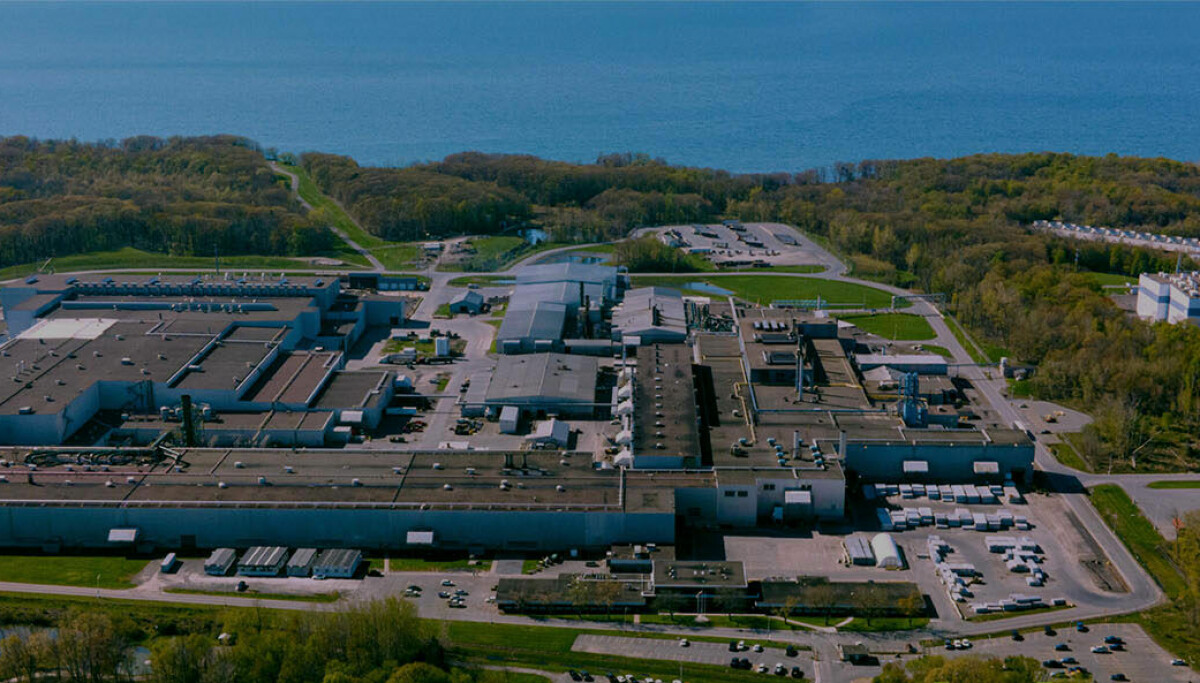
On February 11, 2026, Novelis — the world’s largest aluminium rolling and recycling company — issued an update on the restoration of its hot mill in Oswego, New York. The facility, a linchpin of North America’s automotive aluminium supply chain, has been offline since September 2025 after suffering two major fires in rapid succession.
The first fire broke out on September 16, 2025, causing significant structural damage. After months of intensive repair work, Novelis announced “substantial progress” and expressed confidence in restarting before year-end. But on November 20, 2025, a second fire struck the facility, derailing the accelerated recovery timeline entirely.
Novelis now expects the hot mill to restart late in the second quarter of 2026, followed by a ramp-up period — meaning the total production outage will exceed nine months from the initial incident.
Investigation and Industry Safety Implications
Novelis is still conducting a root cause analysis of the September fire. Preliminary findings suggest multiple contributing factors:
- Composition and characteristics of the aluminium coil being processed
- Lubricants used in the mill
- Structural elements of the surrounding facility
The cause of the November fire remains under investigation. The consecutive incidents have raised serious questions about safety protocols in aluminium processing operations and highlighted the need for enhanced fire prevention measures across the industry.
Beyond safety, the crisis underscores the concentration risk inherent in critical material supply chains. As one of North America’s most important aluminium sheet suppliers to the automotive sector, the Oswego plant’s prolonged shutdown has sent shockwaves through the entire industry.
Ford Bears the Brunt: A $2 Billion Headwind
Among all affected OEMs, Ford Motor Company has been hit the hardest. During the company’s February 10, 2026 earnings call, CEO Jim Farley cited a “$2 billion headwind from Novelis fires”, compounded by an additional $2 billion in net tariff impacts. The dual pressure has forced Ford into significant strategic realignments.
Most notably, Ford has decided to end production of the aluminium-intensive F-150 Lightning electric pickup truck. The vehicle, which relied heavily on aluminium for its body construction, became untenable amid the supply disruption. Ford is pivoting toward an extended-range EV model as part of a broader shift to “higher-return opportunities” and hybrid powertrains.
On the production front, Ford has moved swiftly to redeploy resources:
- F-150 Lightning employees have been reassigned to the Dearborn Truck Plant
- A third production crew has been added to support F-150 ICE and hybrid truck output
- Ford plans to increase production by more than 50,000 units of F-150 and F-Series Super Duty trucks in 2026 to recover lost volume
Supply Chain Resilience Under Scrutiny
Novelis CEO Steve Fisher emphasized that the company is “aggressively leveraging its global footprint and third-party sources” to serve customers during the outage. This includes redirecting capacity from Novelis facilities worldwide and partnering with industry peers for alternative supply.
Yet the incident has exposed critical vulnerabilities in the automotive supply chain:
- Single-source dependency: Over-reliance on a single facility for a critical material creates catastrophic risk
- Extended recovery timelines: Nine-plus months from fire to restart, with production gaps that cannot be fully bridged
- Cascading strategic impacts: A single supplier’s disruption can force product-line cancellations and fundamental shifts in corporate strategy
- Inadequate redundancy: Despite post-COVID supply chain resilience investments, critical gaps remain
It’s worth noting that automakers have invested heavily in supply chain resilience since the pandemic and global chip shortage. GM’s CFO Paul Jacobson previously stated that the company had taken “significant steps” to strengthen its supply chain since 2020. The Novelis fires demonstrate that vulnerabilities persist despite these efforts.
Broader Industry Implications and Outlook
The Novelis crisis is driving a broader rethinking of several strategic priorities across the automotive industry:
Material diversification: OEMs are likely to accelerate efforts to diversify material sourcing, reducing dependence on single aluminium suppliers. Alternative lightweight materials — including advanced high-strength steel and carbon fiber composites — may receive renewed attention.
Electrification strategy shifts: Ford’s decision to scrap the F-150 Lightning reflects not just a supply chain problem but deeper market dynamics. Under combined cost pressure and supply uncertainty, hybrid powertrains are gaining favor over pure EV platforms.
Supply chain visibility investments: The crisis will further drive investment in real-time supply chain monitoring and risk early-warning systems. Companies need better tools to identify, assess, and respond to potential disruption points before they escalate.
As Novelis targets a late Q2 2026 restart, the aluminium supply squeeze should begin easing in the second half of the year. But the strategic consequences — particularly Ford’s EV pivot — will reverberate far longer. This episode serves as a powerful reminder that in today’s interconnected global supply chains, a single point of failure can trigger consequences that reshape entire corporate strategies.
Source: automotivelogistics.media