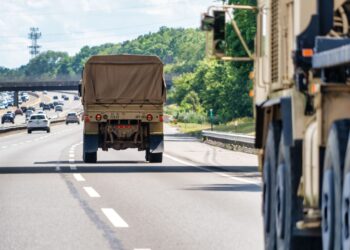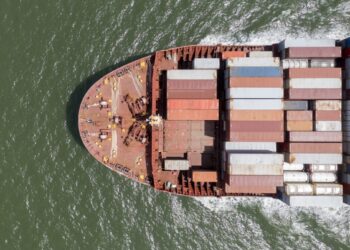
This week in Lebanon, a deadly explosion occurred with the handheld pagers and walkie-talkies used by Hezbollah militants, showcasing advanced espionage skills but also exposing a significant vulnerability within the global supply chain.
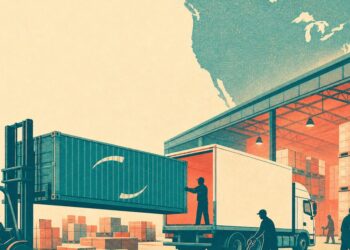
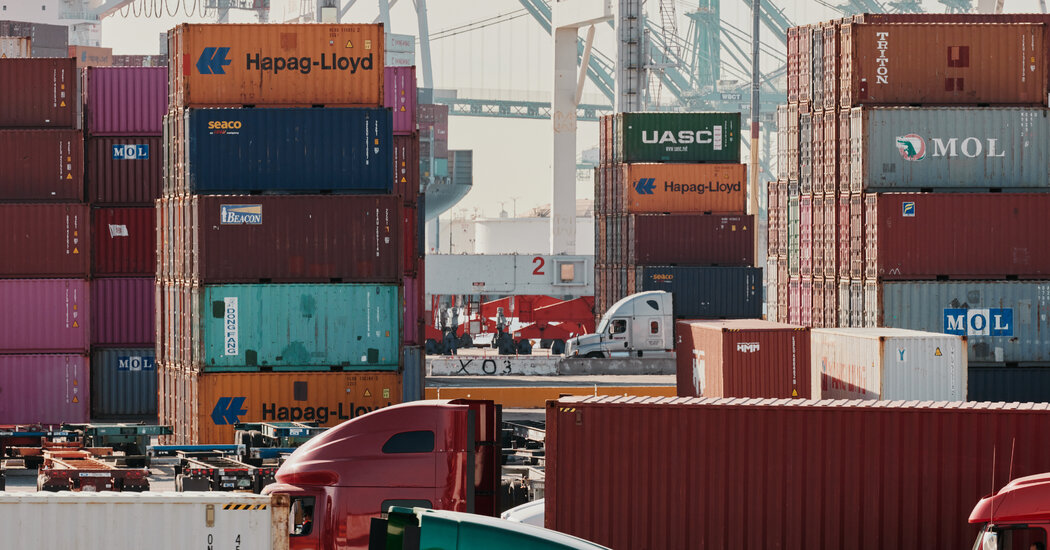
The complexity of this supply chain is staggering. It may even exceed the regulatory capabilities of governments, businesses, and other relevant entities. Even the most sophisticated players often lack clarity on which critical components and raw materials they depend on or where the risks lie.
Supply chain disruptions during the pandemic clearly demonstrated that the longer the path involved in manufacturing any product, the higher the likelihood of issues arising, leading to increased risks of delays and cost overruns.
There is now an even more pertinent concern: the more complex the path, the greater the exposure to malicious activities.
Every stage in the manufacturing process and each additional company introduces opportunities for those with violent agendas to intervene and weaponize products.
“Companies must determine what level of security should be implemented within their supply chains,” said Hannah Kain, CEO of global supply chain firm ALOM, in an interview with DealBook. “We have just cranked up the dial on our paranoia scale.”
The article titled ‘Supply Chain Takes Center Stage After Lebanon Explosions’ was published on page 4 of Section B in the print edition of The New York Times on September 23, 2024.
—
Source website: