According to www.fooddive.com, Coca-Cola and its bottling partners will invest $10 billion in U.S. infrastructure by 2030 to expand production, distribution, and office facilities amid rising demand.
Expansion across seven states
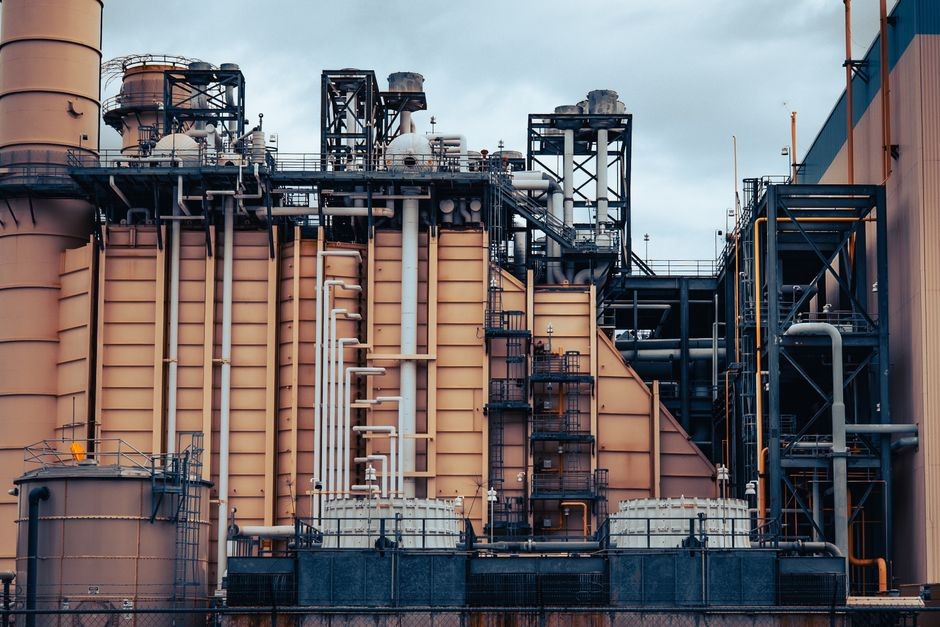
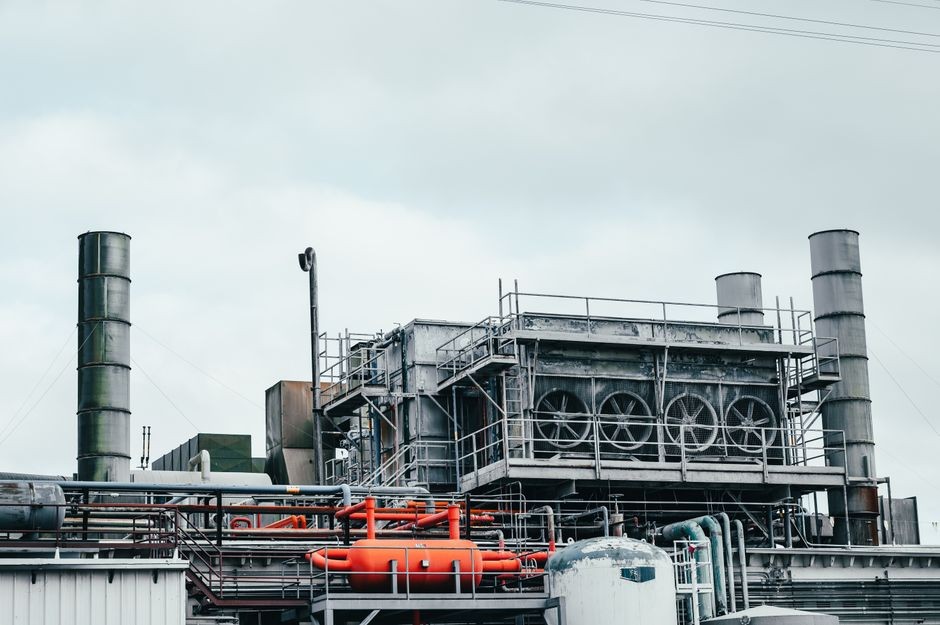
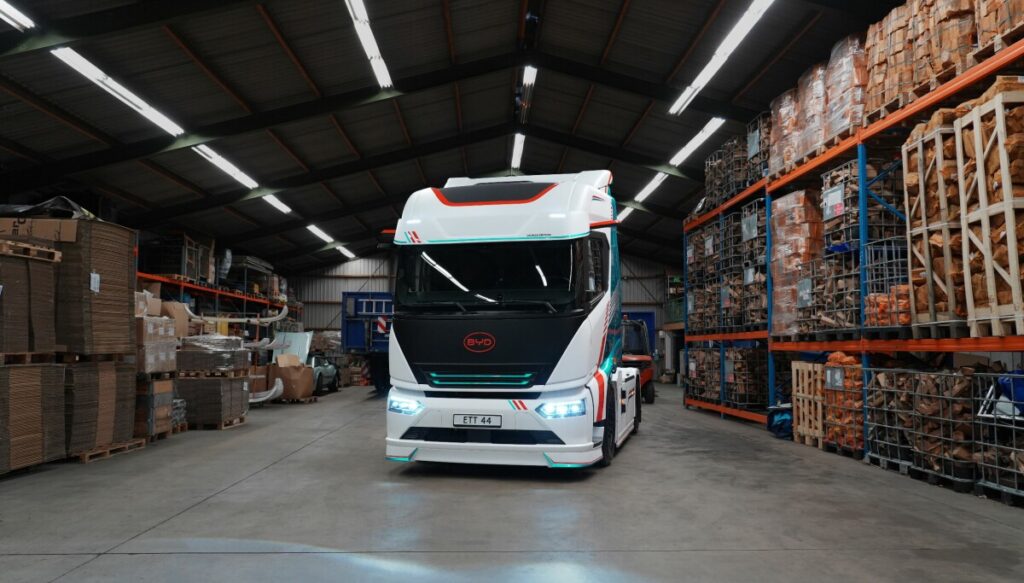
The investment portfolio includes both newly announced and previously disclosed projects. Among them are a bottling distribution facility in Rancho Cucamonga, California; a bottling plant in Colorado Springs, Colorado; a manufacturing plant in Indianapolis; a Coca-Cola United campus in Birmingham, Alabama; a Fairlife plant in Coopersville, Michigan; and a distribution center in Orlando. Additional investments are planned for St. Cloud, Minnesota, and at a Fairlife plant in Webster, New York.
- Rancho Cucamonga, California — bottling distribution facility
- Colorado Springs, Colorado — bottling plant
- Indianapolis — manufacturing plant
- Birmingham, Alabama — Coca-Cola United campus
- Coopersville, Michigan — Fairlife plant
- Orlando — distribution center
- St. Cloud, Minnesota and Webster, New York — Fairlife plant expansions
Economic impact and supply chain footprint
An independent study commissioned by Coca-Cola and conducted by consultancy firm Steward Redqueen found that the company contributes $85 billion to the U.S. gross domestic product and generates $10 million in U.S. economic activity every hour. The report also states that Coca-Cola spends $37 billion with U.S. suppliers and supports 1 million jobs across its total value chain.
“Through a strong production network, local jobs, supplier partnerships and community investments, we are building on more than a century of impact while reinforcing the resilience of our system and communities across America.” — John Murphy, president and CFO
System structure and strategic shifts
Coca-Cola’s U.S. operations rely on partnerships with independent bottling companies, including Coca-Cola Consolidated, the system’s largest U.S. bottler, which operates across 14 states. Despite this scale, the Atlanta-based company initiated a restructuring effort at the beginning of 2026, which included layoffs. Concurrently, it is directing capital toward growth areas such as AI and small, emerging brands it can scale.
Source: Food Dive
Compiled from international media by the SCI.AI editorial team.